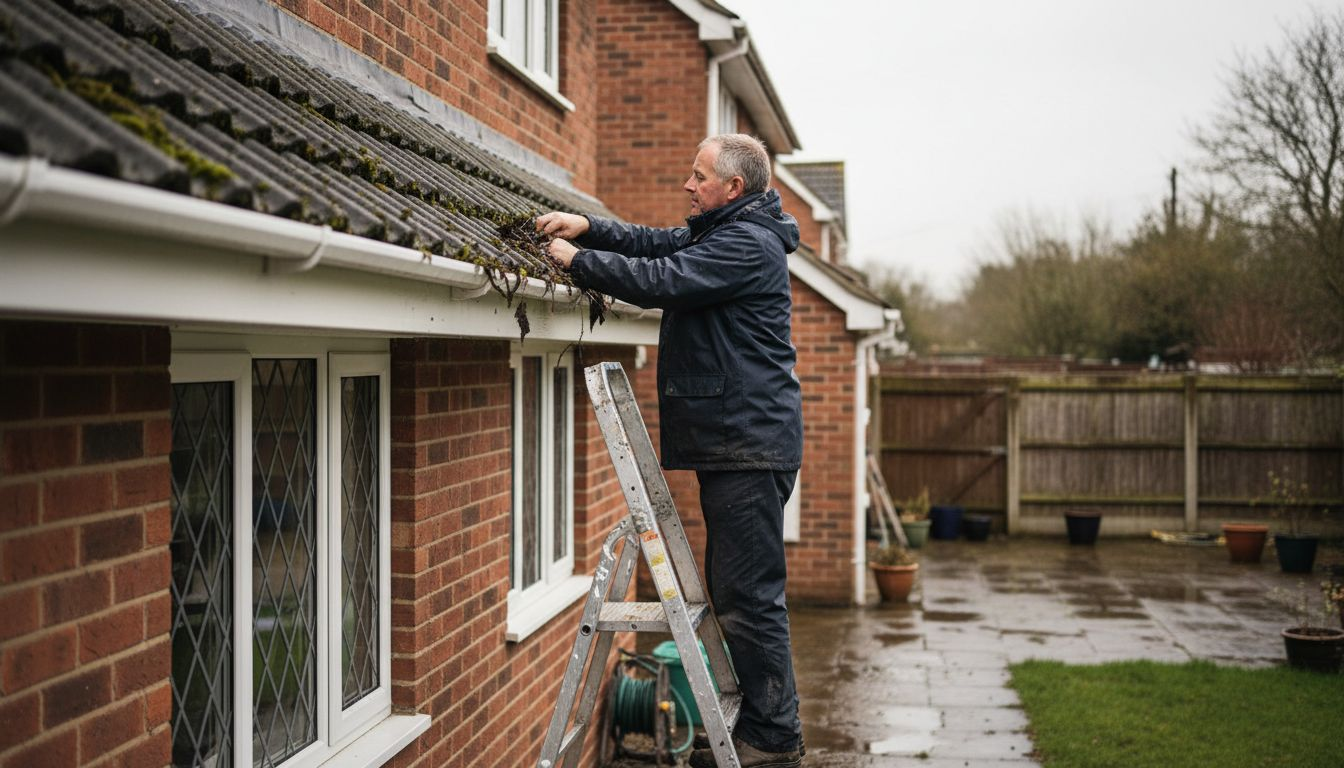
Many British homes experience serious damp problems every year, with blocked gutters responsible for up to one in four property water issues. That is why consistent gutter maintenance matters so much, especially when the unpredictable weather in the United Kingdom can test any drainage system. Understanding how regular cleaning and timely repairs prevent costly water damage helps homeowners protect their investment while securing a healthier, drier home across every British season.
Table of Contents
- Regular Gutter Cleaning To Prevent Blockages
- Inspecting And Repairing Leaks Or Cracks
- Clearing Downpipes For Uninterrupted Flow
- Removing Moss And Debris From Roof Edges
- Checking Gutter Brackets And Supports
- Testing Water Flow After Rainfall
- Seasonal Gutter Maintenance For Year-Round Protection
Quick Summary
| Takeaway | Explanation |
|---|---|
| 1. Clean gutters twice a year | Regular cleaning prevents blockages that can lead to structural damage and moisture issues. Aim for late autumn and early spring to maintain optimal flow. |
| 2. Inspect for leaks and cracks | Early detection of leaks can save on costly repairs. Look for signs like rust, water stains, or gaps in joints to address issues promptly. |
| 3. Ensure downpipes are clear | Regularly clear downpipes from debris to prevent overflow and potential damage to your foundation. Use guards to minimize blockage risks. |
| 4. Check gutter brackets regularly | Inspect brackets for rust and secure attachment to maintain proper pitch, ensuring effective drainage and preventing sagging. |
| 5. Schedule seasonal maintenance | Adapt your maintenance routine for seasonal challenges like autumn leaves or winter ice. A systematic calendar will ensure consistent care throughout the year. |
1. Regular Gutter Cleaning to Prevent Blockages
Maintaining clean gutters is not just a home improvement task it is a critical defence against potential property damage. Regular gutter cleaning prevents blockages that can lead to significant structural and moisture related problems in your home.
Debris like fallen leaves, twigs, moss, and organic matter can quickly accumulate in guttering, creating obstructions that disrupt water drainage. When these blockages occur, rainwater cannot flow freely through the guttering system, causing potential overflow and water damage to your property’s foundations, walls, and landscaping.
Homeowners should aim to clean gutters at least twice annually – typically in late autumn after leaf fall and early spring before the heavy rainfall season. Homes surrounded by trees might require more frequent cleaning, potentially three to four times per year, to prevent rapid debris buildup.
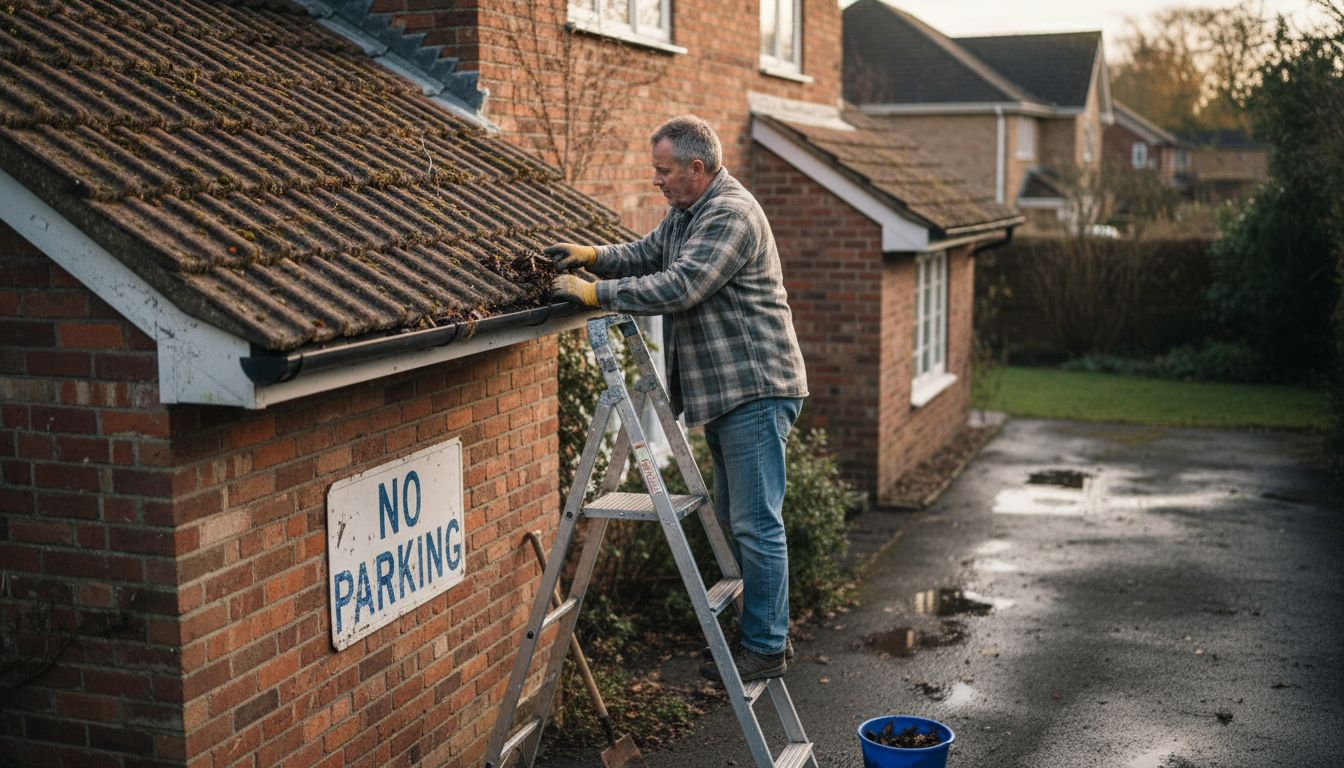
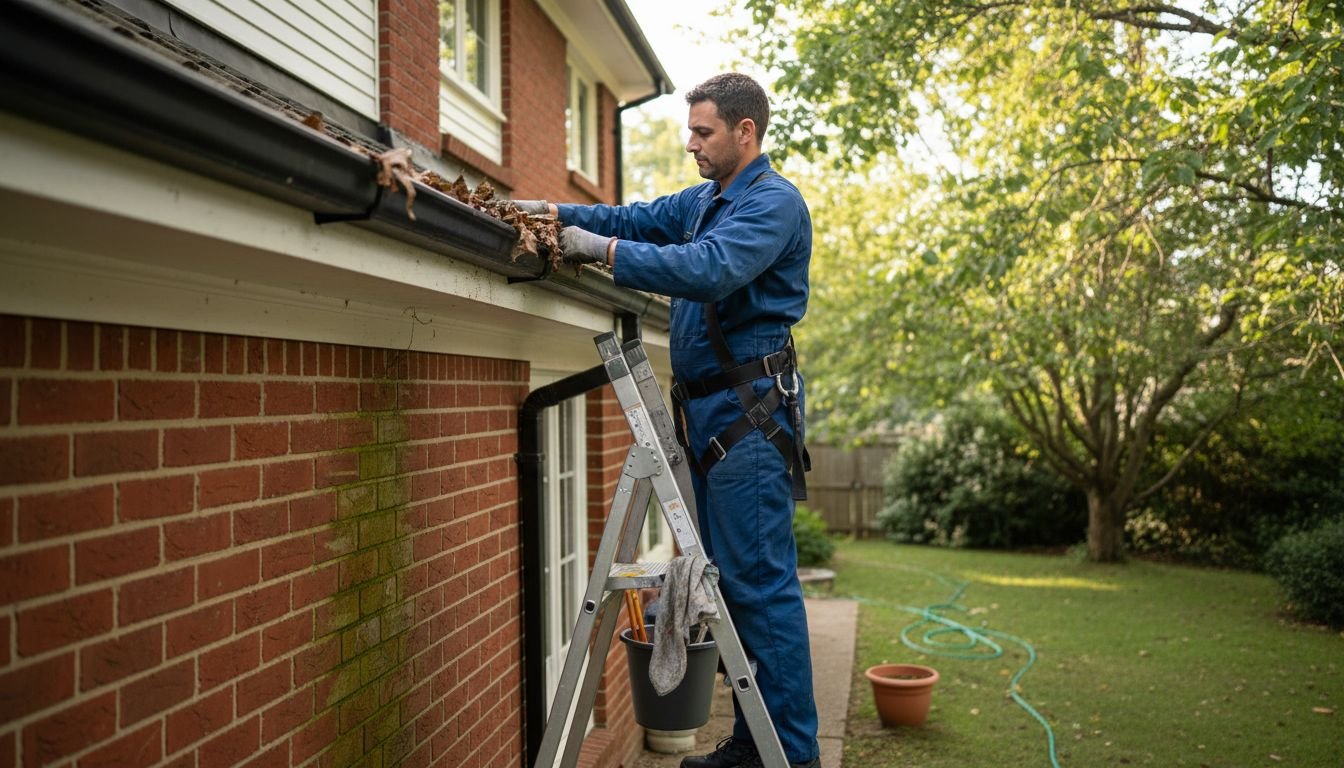
During cleaning, remove all visible debris by hand or using specialised gutter cleaning tools. Flush the guttering with a garden hose to check water flow and identify any remaining blockages or potential leaks. Pay special attention to downspouts, ensuring they are clear and directing water away from your property’s foundation.
Pro tip: Consider installing gutter guards to reduce debris accumulation and minimise the frequency of manual cleaning.
2. Inspecting and Repairing Leaks or Cracks
Gutter leaks and cracks represent serious vulnerabilities in your home’s water management system that demand prompt attention. Professional gutter inspection techniques reveal that early detection can prevent extensive and costly water damage.
Visual inspection is crucial when identifying potential gutter damage. Look for telltale signs such as water stains on exterior walls, rust spots on metal guttering, paint peeling near gutter lines, or visible gaps and separation in gutter joints. These indicators suggest potential leakage points that require immediate investigation.
When examining your guttering, pay close attention to seam connections, corner joints, and attachment points to fascia boards. Small hairline cracks or minor separations can quickly escalate into significant structural problems if left unaddressed. Silicone sealant works effectively for minor repairs, while more substantial damage might require professional replacement of specific gutter sections.
Different gutter materials demand unique repair approaches. Aluminium gutters typically require specialised aluminium repair tape or sealant, whereas uPVC guttering might need specific plastic welding techniques. Understanding your guttering material helps determine the most appropriate repair method.
Top tip: Schedule comprehensive gutter inspections during dry weather periods to ensure accurate assessment of potential leak locations and repair requirements.
3. Clearing Downpipes for Uninterrupted Flow
Downpipes play a critical role in managing rainwater drainage, effectively directing water away from your property’s foundations and preventing potential structural damage. Property maintenance strategies highlight the importance of keeping these essential water management components clear and functional.
Blocked downpipes can quickly transform from a minor inconvenience to a significant property risk. Debris such as leaves, twigs, moss, and even small animal nests can accumulate rapidly, creating obstructions that prevent water from flowing smoothly. When downpipes become blocked, water cannot drain effectively, leading to potential overflow, dampness, and potential damage to your property’s exterior walls and foundation.
To maintain clear downpipes, homeowners should perform regular inspections and cleaning. Start by visually examining the entire length of the downpipe, checking for any visible blockages or signs of debris accumulation. Use a sturdy ladder and wear protective gloves when conducting these inspections. For stubborn blockages, specialised tools like drain rods or a high pressure water jet can help dislodge accumulated materials.
Prevention is always more effective than reactive maintenance. Consider installing mesh guards or leaf screens at the top of downpipes to prevent debris from entering the system. These simple protective measures can significantly reduce the frequency of required cleaning and minimise potential blockage risks.
Top tip: Test your downpipes after cleaning by running water through them and observing the flow rate to ensure complete blockage removal.
4. Removing Moss and Debris from Roof Edges
Moss and debris accumulation on roof edges pose significant risks to your property’s structural integrity and drainage systems. Comprehensive roof maintenance techniques reveal that unchecked growth can lead to serious water damage and accelerated roof deterioration.
Moss thrives in damp, shaded environments typical of British roofing, particularly on north facing surfaces and areas with limited sunlight. This persistent green growth not only looks unsightly but can cause substantial damage by retaining moisture, creating potential entry points for water beneath roof tiles and compromising their protective capabilities.
When removing moss, start by using a soft bristled brush to gently dislodge surface growth without damaging roof materials. Avoid pressure washing, which can strip protective coatings and force water underneath tiles. For stubborn moss patches, specialised cleaning solutions designed for roofing surfaces can provide more effective removal while minimising potential damage.
Preventative measures are equally important in managing moss growth. Trimming overhanging tree branches to increase sunlight exposure, improving roof ventilation, and ensuring proper gutter drainage can significantly reduce conditions that encourage moss proliferation. Regular inspections during autumn and spring help identify potential growth areas before they become extensive problems.
Top tip: Apply a zinc or copper based moss prevention treatment along roof ridges to create a long term barrier against moss regrowth.
5. Checking Gutter Brackets and Supports
Gutter brackets are the unsung heroes of your drainage system, silently ensuring water flows efficiently away from your property. Professional gutter maintenance techniques highlight the critical importance of regular bracket inspection and support assessment.
Weakened or damaged gutter brackets can compromise your entire drainage infrastructure, potentially leading to significant water damage. These essential supports are responsible for maintaining the correct alignment and pitch of your guttering, ensuring water moves smoothly away from your property’s foundations. Signs of bracket failure include visible sagging, unusual tilting, or gaps between the gutter and fascia board.
When conducting a bracket inspection, look for rust, corrosion, or structural deformation. Metal brackets are particularly susceptible to weathering, especially in the damp British climate. Aluminium and galvanised steel brackets offer superior durability, but even these materials can deteriorate over time. Check that each bracket is securely fastened, with no movement or wobbling when gentle pressure is applied.
Spacing is another crucial consideration for gutter bracket integrity. Typically, brackets should be installed every metre for standard residential guttering, with additional supports near joints and corners. Insufficient bracket spacing can cause dangerous sagging and potential gutter system collapse during heavy rainfall.
Top tip: Use a spirit level during bracket inspection to confirm your guttering maintains the correct 1 in 350 pitch for optimal water drainage.
6. Testing Water Flow After Rainfall
Testing your guttering system’s water flow after rainfall is a crucial diagnostic step in maintaining your property’s drainage infrastructure. Professional water flow assessment techniques help homeowners identify potential issues before they escalate into costly repairs.
During rainfall, observe how water moves through your guttering system. Ideal water flow should be smooth and consistent, with water quickly and efficiently moving from roof edges through downpipes and away from your property’s foundations. Problematic signs include water overflowing, trickling unevenly, or pooling in specific sections of the guttering.
To conduct a comprehensive water flow test, wait for a moderate rainfall and carefully observe the entire guttering system. Check for consistent water movement at each downpipe, ensuring no sections are experiencing blockages or unusual drainage patterns. Pay particular attention to joints, corners, and areas near potential debris accumulation points. Use a torch during overcast conditions to help highlight water movement and potential problem areas.
If you notice irregular water flow, this could indicate underlying issues such as incorrect guttering pitch, blockages, or structural misalignments. Some homeowners find it helpful to use a bucket or measuring container to quantify water volume and flow rate at different downpipe locations, providing a more objective assessment of drainage performance.
Top tip: Conduct water flow tests during different rainfall intensities to understand your guttering system’s full performance range and potential limitations.
7. Seasonal Gutter Maintenance for Year-Round Protection
Maintaining gutters throughout the changing British seasons requires a strategic approach that anticipates and addresses unique environmental challenges. Property maintenance strategies emphasise the importance of adapting your maintenance routine to seasonal variations.
In autumn, fallen leaves and organic debris become your primary concern. Trees surrounding your property will shed foliage, quickly accumulating in guttering and creating potential blockage risks. Conduct a thorough cleaning during late autumn after leaf fall, removing all accumulated materials and checking for any initial signs of wear or damage.
Winter demands a different maintenance approach. Freezing temperatures can cause water trapped in gutters to expand, potentially creating cracks or structural damage. Ensure your guttering is clear of debris before winter sets in, and consider installing protective gutter guards to minimise ice and debris buildup. During cold spells, periodically check for potential ice dams or icicle formation that might indicate drainage problems.
Spring and summer require lighter maintenance but are equally important. Conduct visual inspections after winter to assess any damage, checking for loose brackets, potential rust spots, or areas requiring resealing. Summer is an ideal time for comprehensive repairs, with dry conditions allowing for more extensive maintenance work.
Top tip: Create a seasonal maintenance calendar marking specific inspection and cleaning dates to ensure consistent gutter care throughout the year.
This table summarises the crucial strategies and procedures to maintain and enhance the functionality of guttering systems as described in the article.
| Aspect | Key Practices | Benefits |
|---|---|---|
| Regular Gutter Cleaning | Clean gutters at least twice yearly, especially in late autumn and early spring, and remove debris manually or with tools. Test water flow to identify obstructions or leaks. | Prevents blockages, water overflow, and structural damage. |
| Inspecting and Repairing Leaks | Examine gutters for signs of damage or separation. Apply sealants to minor cracks and repair significant issues professionally. | Mitigates water leakage, foundation damage, and decay of structural components. |
| Clearing Downpipes | Frequently inspect and clean downpipes using appropriate tools to prevent blockages. Install guards to reduce debris entry. | Ensures uninterrupted water flow and prevents overflow-related issues. |
| Roof Edge Maintenance | Remove moss using soft brushes or specialised solutions and trim overhanging branches. | Reduces moisture retention, extending roof and gutter lifespan. |
| Checking Brackets | Regularly inspect brackets for integrity, spacing, and alignment. Replace or adjust as needed. | Maintains gutter alignment for efficient drainage, avoiding structural sagging. |
| Testing After Rainfall | Observe water flow during rain, identifying pooling, overflow, or poor drainage. Perform diagnostic assessments if needed. | Detects flow-related issues early, ensuring optimal drainage. |
| Seasonal Maintenance | Adapt maintenance tasks to seasonal requirements, addressing factors like leaf fall, ice formation, and summer repairs. | Provides consistent performance and minimises seasonal impact on the system. |
Protect Your UK Home with Expert Gutter Maintenance Solutions
The article highlights the crucial challenges homeowners face in maintaining effective gutter systems such as preventing blockages, repairing leaks, and ensuring proper water flow. Ignoring these essential types of gutter maintenance can leave your property vulnerable to damp issues, structural damage, and costly repairs. Common pain points include managing debris build-up, fixing cracked gutters promptly, and securing gutter brackets to maintain alignment. These problems require professional attention to safeguard your home throughout the changing British seasons.
At Local Gutter Cleaner, we specialise in helping UK homeowners overcome these exact challenges with thorough and reliable services tailored to your property’s needs. From regular gutter cleaning to expert inspections and repairs, our local, professional team ensures your gutters work perfectly to protect your home’s foundations and walls.
Don’t wait for water damage or blocked downpipes to disrupt your peace of mind. Act now to preserve your property’s health and value with our trusted gutter cleaning and maintenance solutions. Visit Local Gutter Cleaner today to request a free quote and schedule your gutter service. Secure your home against the risks of inadequate gutter care with proven expertise at your doorstep.
Frequently Asked Questions
How often should I clean my gutters to prevent blockages?
Cleaning your gutters at least twice a year is essential to prevent blockages. Aim for a clean-up in late autumn after leaves have fallen and again in early spring to prepare for heavy rainfall.
What signs indicate my gutters need repairs?
Look for visible rust spots, water stains on exterior walls, or gaps in gutter joints. Conduct a visual inspection and address any signs of deterioration promptly to prevent expensive water damage.
How can I clear blocked downpipes effectively?
To clear downpipes, visually inspect the entire length for obstructions. Use a sturdy ladder and wear gloves, then use specialised tools like drain rods or a high-pressure water jet to remove stubborn blockages.
What precautions should I take when removing moss from roof edges?
When removing moss, use a soft-bristled brush to gently dislodge it without damaging the roof materials. Avoid pressure washing, as it can strip protective coatings; instead, consider using specialised cleaning solutions for stubborn patches.
How can I maintain the structural integrity of gutter brackets?
Regularly inspect your gutter brackets for signs of rust, corrosion, or structural deformation. Ensure each bracket is securely fastened and spaced correctly to support your guttering system effectively and prevent sagging.
What is the best way to test my guttering system after rainfall?
Observe the water flow during a moderate rainfall to check for smooth drainage. Ensure water moves efficiently through the gutters and downpipes, and note any pooling or overflowing to address potential issues before they escalate.


Leave A Comment