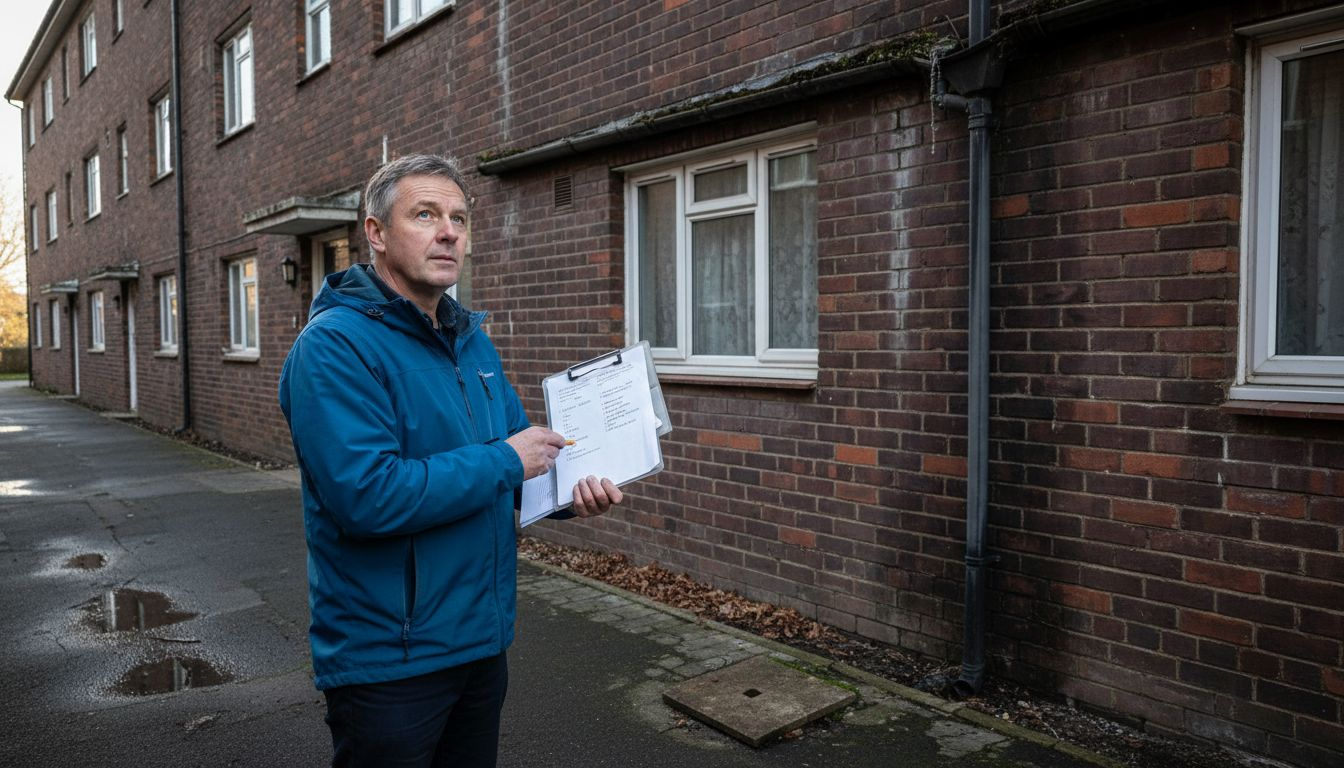
Blocked gutters can quickly turn a well-managed property in London, Sydney, or New York into a costly liability. When rainwater spills over, it can saturate foundation soil and cause dampness, mould, and even structural damage. For property managers, keeping gutter systems clear is much more than routine cleaning—it is a vital defence against expensive water damage. Discover how proactive gutter maintenance protects your building while keeping expenses under control.
Table of Contents
- What Is Gutter Maintenance? Essential Concepts
- Types of Gutter Systems and Key Differences
- How Blocked Gutters Impact Properties
- Legal Compliance and Safety Responsibilities
- Financial Risks and Avoidable Mistakes
- Cost-Effective Maintenance Solutions for Managers
Key Takeaways
| Point | Details |
|---|---|
| Regular Gutter Maintenance is Crucial | Systematic cleaning and inspections are essential to prevent water damage and preserve property integrity. |
| Choose the Right Gutter System | Selecting appropriate materials and designs is vital for effective rainwater management tailored to specific property needs. |
| Blocked Gutters Can Cause Extensive Damage | Neglecting gutter maintenance may lead to significant structural issues and higher long-term repair costs. |
| Legal and Financial Responsibilities | Property managers must adhere to maintenance regulations and consider the economic impact of proactive versus reactive maintenance strategies. |
What Is Gutter Maintenance? Essential Concepts
Gutter maintenance is the systematic process of cleaning, inspecting, and preserving water discharge systems designed to channel rainwater away from building structures. Rainwater management systems play a critical role in protecting property infrastructure by preventing water damage, dampness, and potential structural degradation.
At its core, gutter maintenance involves several key activities: regular cleaning to remove debris like leaves and twigs, checking for structural damage or blockages, ensuring proper water flow through downspouts, and conducting periodic professional inspections. Property managers must understand that gutters are not merely decorative elements but fundamental water management components that protect buildings from moisture-related problems.
Professional gutter maintenance typically includes comprehensive assessments of gutter drainage performance, which help prevent potential issues like soil saturation, foundation erosion, and water infiltration. By implementing proactive maintenance strategies, property managers can significantly reduce long-term repair costs and maintain the structural integrity of commercial and residential buildings.
Pro tip: Schedule professional gutter inspections at least twice annually, preferably during spring and autumn, to catch potential issues before they escalate into costly repairs.
Types of Gutter Systems and Key Differences
Gutter systems vary significantly in design, material, and functionality, with each type offering unique advantages for different property configurations. Rain gutter designs range from integral systems built directly into roof edges to discrete troughs suspended beyond roof eaves, catering to diverse architectural requirements and environmental conditions.
The primary gutter system categories include hung gutters and built-in gutters, constructed from materials such as aluminum, cast iron, copper, and vinyl. Copper gutter systems are particularly prized for their exceptional durability and low maintenance, making them an attractive option for property managers seeking long-term water management solutions. Each material offers distinct benefits: aluminum provides lightweight affordability, copper ensures remarkable corrosion resistance, and vinyl presents cost-effective installation options.
Here is a summary of common gutter materials and their unique benefits:
| Material | Durability Level | Maintenance Needs | Notable Advantage |
|---|---|---|---|
| Aluminium | Moderate | Occasional cleaning | Lightweight and affordable |
| Cast Iron | Very High | Regular anti-rust checks | Extremely robust construction |
| Copper | Exceptional | Minimal maintenance | Outstanding corrosion resistance |
| Vinyl | Moderate | Seasonal checks | Easy, cost-effective installation |
Property managers must consider several critical factors when selecting gutter systems, including local rainfall intensity, roof area, architectural design, and downspout placement. Modern gutter configurations like valley gutters, parapet gutters, and eaves gutters provide tailored solutions for specific building types, ensuring efficient water channelling and minimising potential structural damage from moisture accumulation.
Pro tip: Consider consulting a professional gutter specialist to assess your specific property’s water management needs and recommend the most suitable gutter system design.
How Blocked Gutters Impact Properties
Blocked gutters represent a serious threat to property integrity, causing far-reaching damage that extends well beyond simple water management issues. Gutter blockage consequences can lead to comprehensive structural deterioration, with water overflow saturating foundation soil and creating moisture penetration pathways that compromise building foundations and interior spaces.
The environmental and structural risks of blocked gutters are multifaceted and potentially catastrophic. Rainwater disruption effects include significant soil erosion, pest infestations, and potential environmental contamination. Water unable to flow correctly can cause extensive wall damage, create ideal conditions for mould growth, and progressively weaken building materials through persistent moisture exposure.
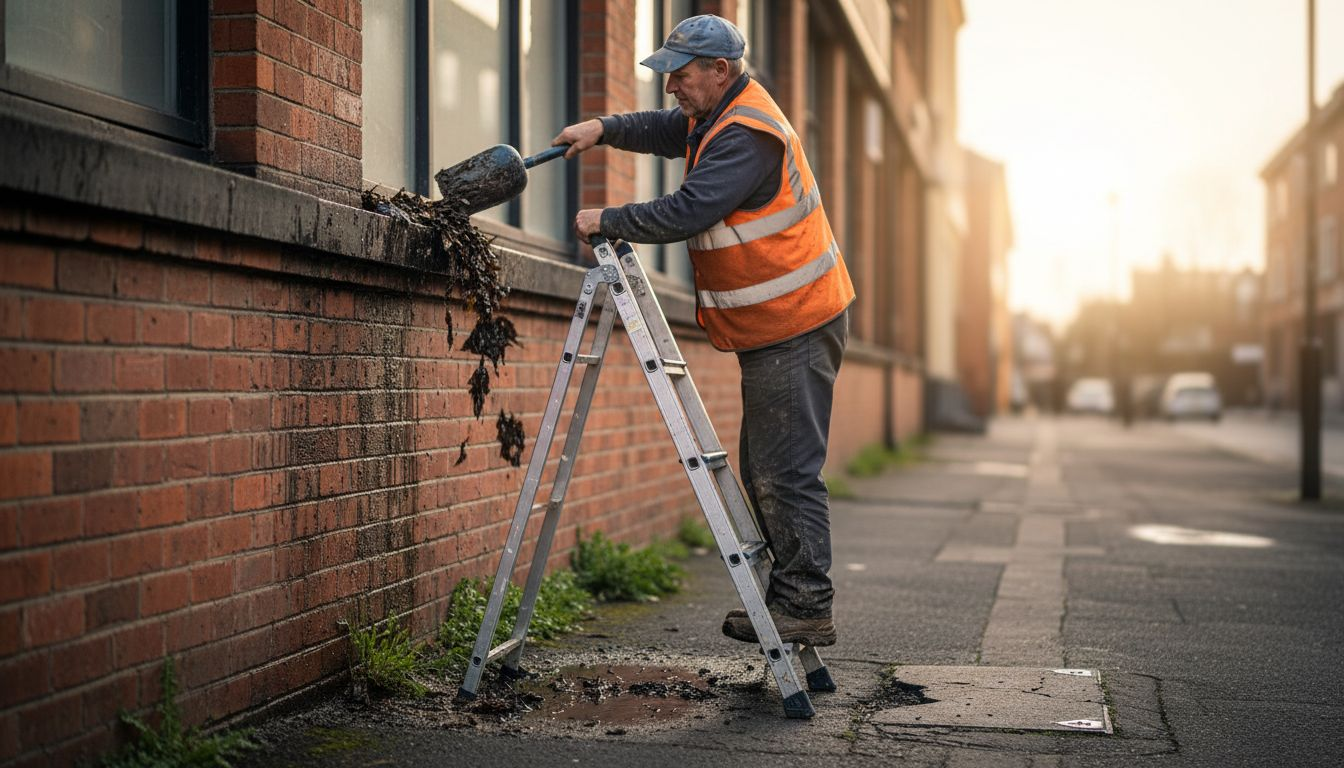
Property managers must recognise that blocked gutters create a cascade of interconnected problems. Moisture intrusion can damage interior spaces, compromise structural wood elements, reduce indoor air quality, and potentially create conditions conducive to pest infestations. The financial implications are substantial, with unaddressed gutter blockages potentially leading to exponentially more expensive repairs compared to routine maintenance and cleaning.
Pro tip: Implement a quarterly gutter inspection schedule to identify and address potential blockages before they escalate into costly structural damage.
Legal Compliance and Safety Responsibilities
Property managers face significant legal obligations regarding gutter maintenance, with property maintenance regulations explicitly outlining their responsibilities to ensure structural safety and prevent potential hazards. The International Property Maintenance Code mandates comprehensive upkeep of exterior building elements, with gutters representing a critical component in maintaining property integrity and public safety.
Professional conduct in property management extends beyond basic maintenance, requiring a proactive approach to risk mitigation. Property management ethics demand that managers systematically address maintenance issues, cooperate with regulatory agencies, and implement robust inspection protocols. Failure to maintain gutters can result in legal liability, potential insurance complications, and significant financial penalties for neglecting fundamental property preservation responsibilities.
The legal framework surrounding gutter maintenance is comprehensive, encompassing multiple dimensions of risk management. Property managers must understand that their obligations extend beyond simple repair, involving systematic documentation, timely interventions, and adherence to local building codes. Potential consequences of non-compliance include municipal fines, increased insurance premiums, potential litigation from tenants or neighbouring properties, and compromised structural integrity that could lead to substantial financial losses.
Pro tip: Maintain detailed maintenance records and establish a preventative gutter inspection schedule to demonstrate proactive compliance with legal requirements.
Financial Risks and Avoidable Mistakes
Property managers face substantial financial consequences when neglecting gutter maintenance, with preventive maintenance strategies proving critical in mitigating potential economic risks. Unaddressed gutter issues can rapidly escalate from minor repairs to extensive structural damage, potentially reducing property values and triggering significant unexpected expenditures.
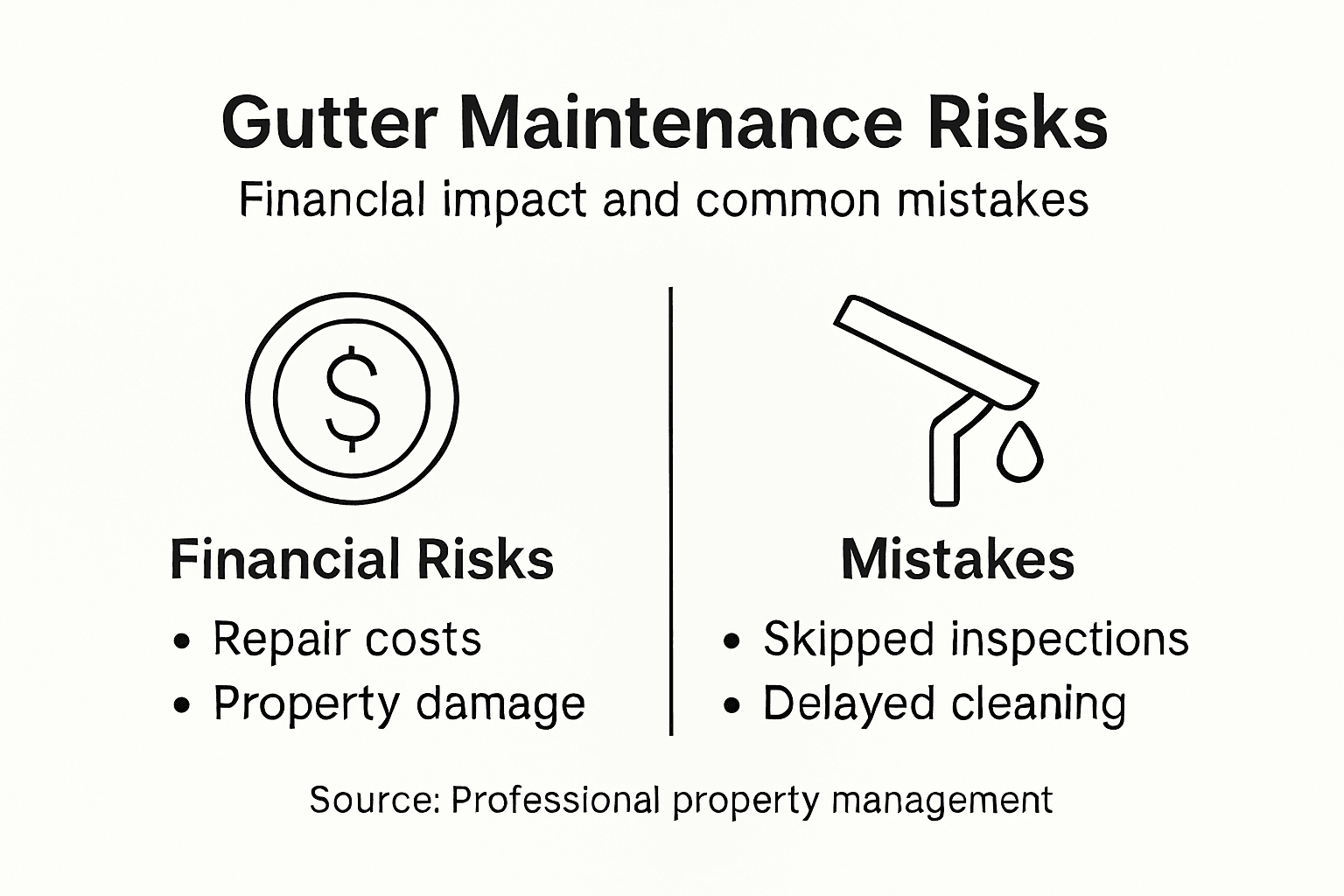
The economic implications of inadequate gutter maintenance extend far beyond simple repair costs. Maintenance cost analysis demonstrates that reactive approaches to property upkeep can generate exponentially higher expenses compared to systematic, proactive maintenance programmes. Insurance premiums may increase, property valuation could decline, and potential legal liabilities might emerge from structural damages caused by persistent water infiltration.
The following table compares routine and reactive gutter maintenance approaches:
| Approach | Cost Over Time | Risk of Damage | Typical Outcome |
|---|---|---|---|
| Proactive (Routine) | Low, predictable | Minimal | Maintained property value |
| Reactive (Emergency) | High, unpredictable | Significant | Costly, urgent repairs needed |
Common financial mistakes in gutter management include delaying routine inspections, ignoring minor blockages, and underestimating the long-term economic impact of water damage. Property managers must recognise that seemingly insignificant gutter issues can precipitate comprehensive structural problems, including foundation damage, wall deterioration, and internal moisture-related complications. These cascading issues can result in repair costs significantly exceeding the expense of regular, preventative maintenance.
Pro tip: Develop a comprehensive maintenance budget that allocates funds specifically for preventative gutter care, treating it as a strategic investment rather than an optional expense.
Cost-Effective Maintenance Solutions for Managers
Property managers can substantially reduce long-term maintenance expenses by implementing strategic, proactive gutter management approaches. Planned preventative maintenance enables systematic scheduling of inspections and cleaning, effectively preventing costly emergency repairs and minimising unexpected financial burdens.
Advanced technology offers powerful solutions for optimising maintenance strategies. Maintenance management systems such as computerised maintenance management platforms allow property managers to track gutter conditions, schedule routine inspections, and allocate resources more efficiently. Strategic approaches like installing gutter guards can dramatically reduce debris accumulation, minimising the frequency and complexity of cleaning interventions.
Effective cost management requires a holistic approach that balances immediate expenses with long-term asset preservation. Property managers should prioritise risk-based maintenance strategies, collaborate with skilled contractors, and invest in durable materials that offer superior lifecycle performance. By adopting a proactive mindset and leveraging technological tools, managers can transform gutter maintenance from a reactive expense into a strategic investment in property infrastructure.
Pro tip: Develop a comprehensive digital maintenance log that tracks gutter inspection dates, repair history, and projected maintenance needs to facilitate precise budgeting and resource allocation.
Protect Your Property With Expert Gutter Maintenance Solutions
Managing blocks of flats or commercial buildings means facing the serious challenges of blocked gutters which can cause costly structural damage and legal liabilities. The article highlights key pain points such as preventing water overflow, avoiding foundation erosion, and ensuring compliance with maintenance regulations. These concerns call for proactive care and professional service to maintain property integrity and reduce expensive emergency repairs.
Expert gutter cleaning services designed specifically for commercial premises provide the reliable, scheduled maintenance that busy property managers need.
Take control of your property’s water management today with trusted solutions from Local Gutter Cleaner. Don’t wait until blockages create unexpected damage or legal issues. Contact us now to arrange a thorough gutter inspection and cleaning for your commercial building and experience peace of mind through expert care.
Frequently Asked Questions
What are the key activities involved in gutter maintenance?
Gutter maintenance includes regular cleaning to remove debris, inspecting for structural damage or blockages, ensuring proper water flow through downspouts, and scheduling periodic professional inspections.
How often should property managers schedule gutter inspections?
It is advisable for property managers to schedule professional gutter inspections at least twice a year, ideally in spring and autumn, to identify potential issues before they lead to costly repairs.
What are the potential consequences of blocked gutters?
Blocked gutters can lead to significant structural damage, including foundation erosion, moisture intrusion, pest infestations, and increased repair costs due to ongoing water-related issues.
How can property managers prevent financial risks associated with poor gutter maintenance?
Implementing a proactive maintenance schedule, including routine inspections and timely repairs, can significantly reduce the risk of costly structural damage, thereby protecting property value and avoiding unexpected expenses.






[…] involves several strategic components that directly impact long-term building preservation. Gutter maintenance for property managers requires systematic approaches that account for multiple environmental and structural factors. […]