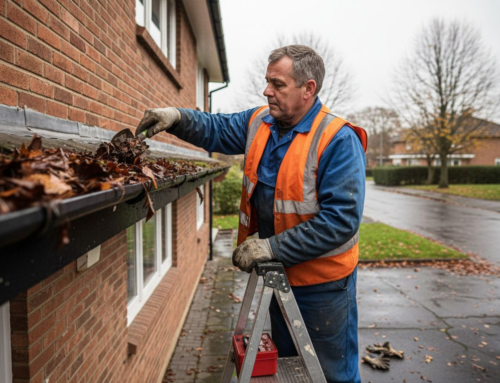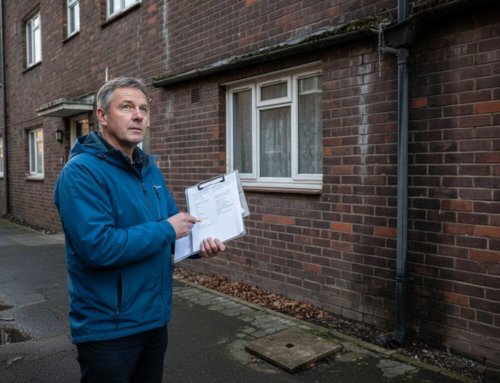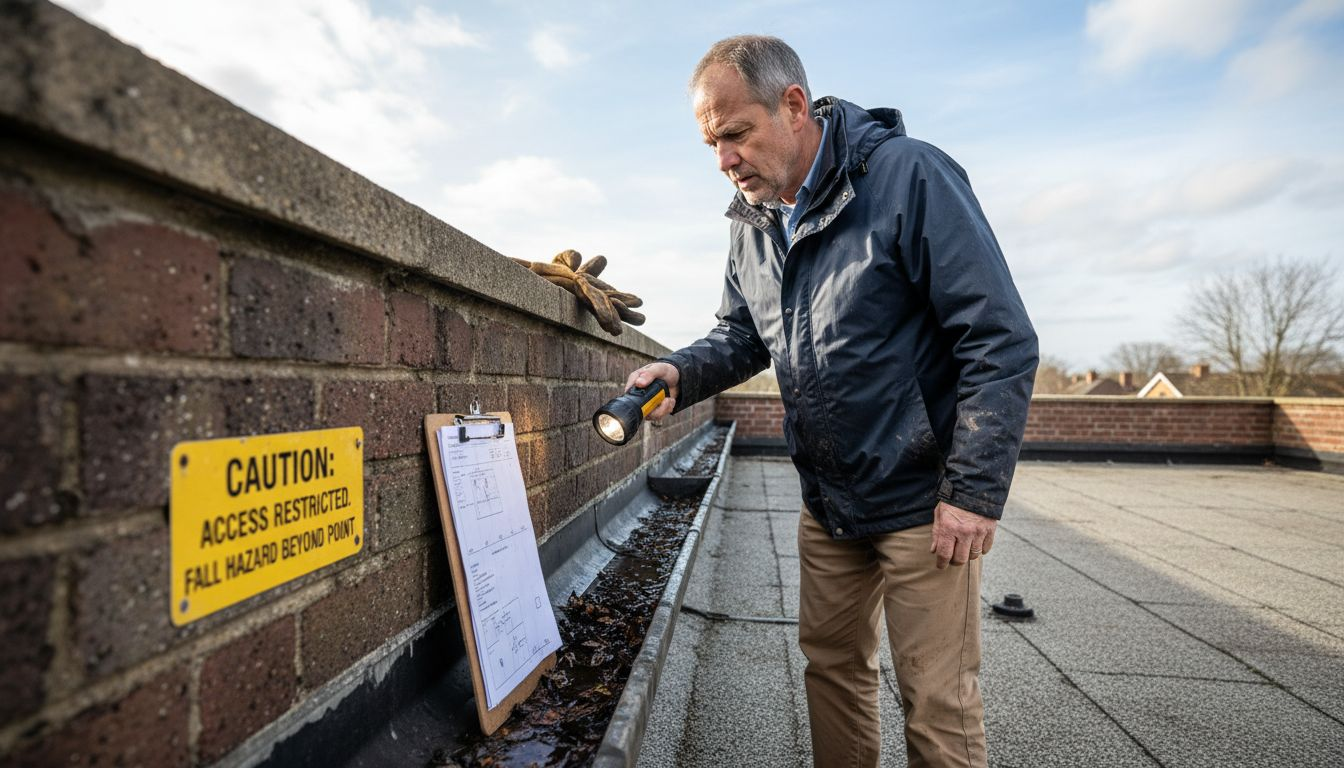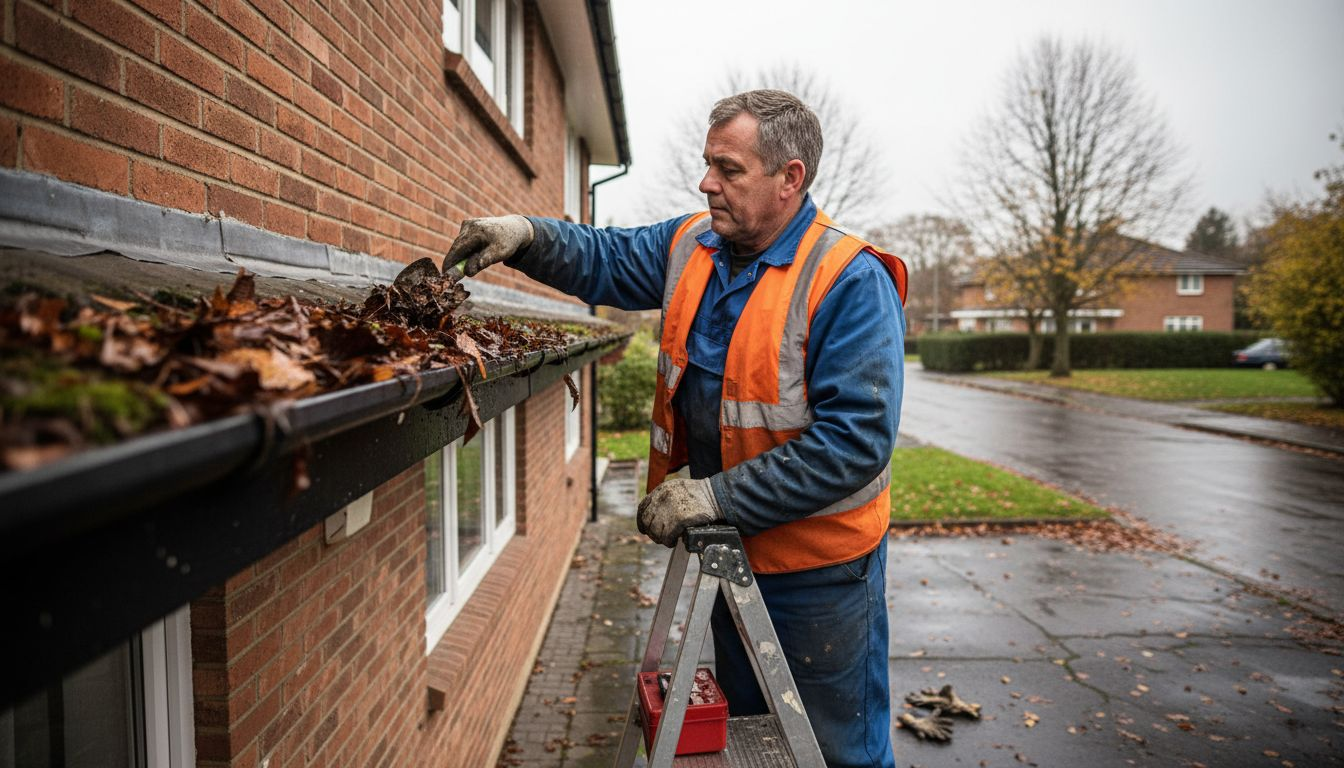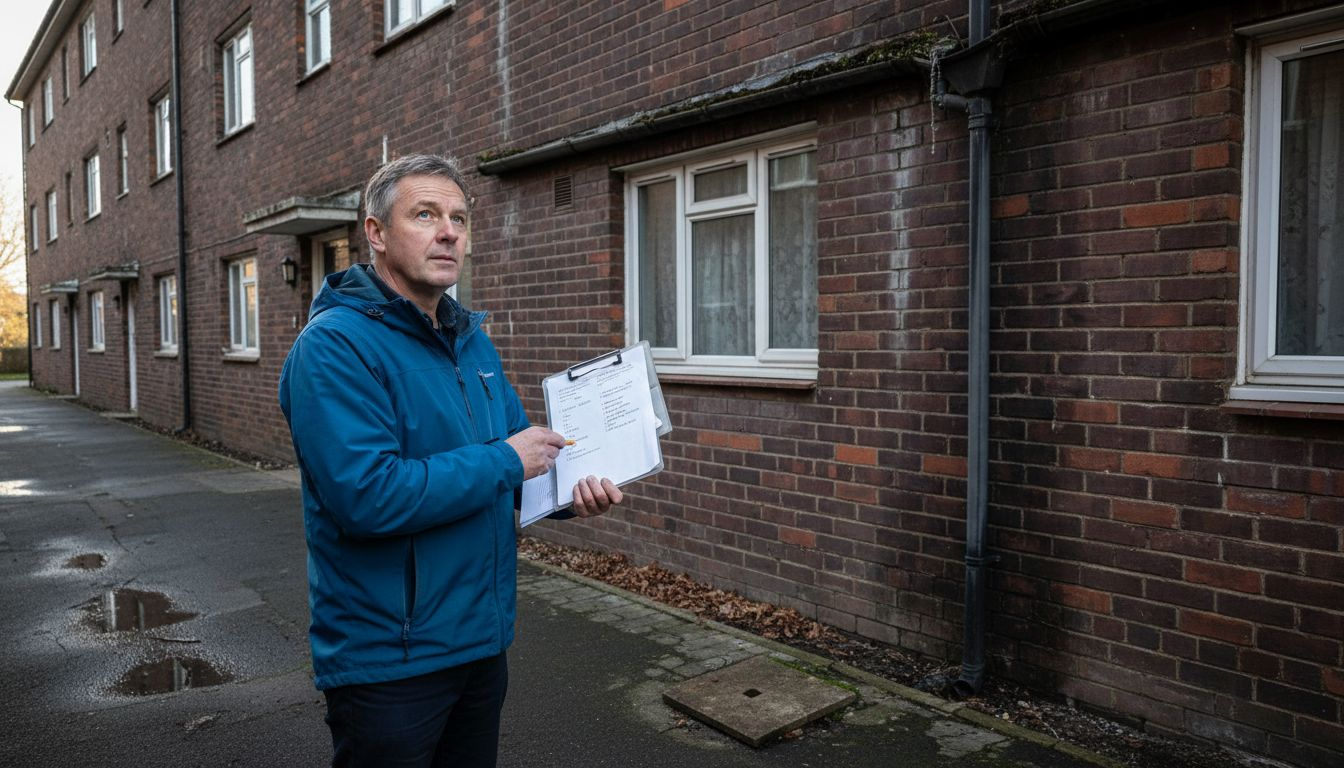
Managing gutter cleaning for blocks of flats comes with far more than just booking a service. Costs can quickly spiral if you overlook key details like building height, gutter layout, and local regulations. Planning ahead is vital to keep expenses under control and avoid unexpected issues.
Understanding what truly affects gutter cleaning costs gives you the power to budget confidently and protect your property’s value. This guide breaks down the most important factors you need to consider before commissioning any work, based on proven practices and relevant building standards.
Get ready to discover exactly how variables like accessibility, maintenance frequency, debris levels, and compliance rules shape your final bill. Each insight will help you make informed decisions and avoid costly surprises.
Table of Contents
- Building Height And Gutter Accessibility
- Length And Layout Of Gutters
- Frequency Of Gutter Maintenance Required
- Types And Levels Of Debris Present
- Necessary Safety Measures And Equipment
- Local Regulations And Compliance Costs
- Choosing Between In-House Or Professional Services
Quick Summary
| Key Message | Explanation |
|---|---|
| 1. Assess Accessibility Challenges Early | Conduct site assessments to understand building height and access needs, preventing unexpected cleaning costs. |
| 2. Understand Gutter System Complexity | Create a schematic of gutter layouts to facilitate accurate estimates and anticipate maintenance requirements. |
| 3. Tailor Maintenance Frequency to Conditions | Track debris accumulation to determine an optimal cleaning schedule that minimizes damage and costs. |
| 4. Categorize Debris for Effective Cleaning | Identify predominant debris types to select the right cleaning methods and teams for cost-effective maintenance. |
| 5. Prioritise Safety Measures and Training | Ensure compliance with safety regulations to protect workers and avoid legal risks that could increase costs. |
1. Building Height and Gutter Accessibility
Property managers face significant challenges when managing gutter maintenance across buildings of varying heights and architectural complexities. Understanding the impact of building height on cleaning costs is crucial for effective budgeting and property upkeep.
Tall buildings require specialised equipment and safety measures that substantially increase gutter cleaning expenses. Structural safety considerations for high buildings dictate that properties over 20 metres typically demand more sophisticated access strategies, professional scaffolding, or advanced lifting equipment.
Accessibility directly influences labour costs. A single storey building might require basic ladder access, while a multi storey block of flats could necessitate complex rigging systems, multiple technicians, and extended working hours. These requirements can escalate cleaning expenses from standard rates of £100 to potentially £500 or more.
Key accessibility factors include:
• Roof pitch and angle
• Proximity of surrounding structures
• Available ground access points
• Complexity of gutter system design
Building managers should conduct preliminary site assessments to understand precise accessibility challenges and obtain accurate quotations. Investing time in comprehensive evaluations can prevent unexpected cost overruns and ensure efficient maintenance planning.
Top Tip: Request a detailed site survey before commissioning gutter cleaning to understand precise access requirements and potential cost implications.
2. Length and Layout of Gutters
Property managers must recognise that gutter length and layout significantly impact maintenance costs and overall cleaning requirements. The complexity of a building’s gutter system directly influences the resources and time needed for effective cleaning and maintenance.
Gutter and downspout sizing calculations reveal that longer and more intricate gutter layouts substantially increase maintenance expenses. Buildings with extended gutter runs or multiple sections require more labour hours, specialised equipment, and potentially additional technicians to complete the cleaning process.
The layout complexity introduces several cost factors:
• Number of gutter sections
• Total linear metres of guttering
• Angle and pitch of gutter runs
• Presence of multiple directional changes
• Accessibility of different gutter segments
A standard block of flats with 50 linear metres of guttering might cost approximately £250 to clean, whereas a more complex layout with 75 linear metres and challenging access points could escalate costs to £400 or more. Property managers should carefully map out their gutter systems to anticipate potential maintenance challenges.
Top Tip: Create a detailed schematic of your building’s gutter layout to help cleaning professionals provide more accurate and cost effective maintenance estimates.
3. Frequency of Gutter Maintenance Required
Property managers face a crucial challenge in determining the optimal frequency of gutter maintenance. Too infrequent cleaning leads to potential property damage, while excessive maintenance unnecessarily increases operational expenses.
Municipal storm drain maintenance strategies suggest that maintenance frequency should align with specific environmental and structural factors. Each property requires a tailored approach based on unique characteristics such as surrounding vegetation, local weather patterns, and building design.
Key considerations for determining maintenance frequency include:
• Proximity to trees and vegetation
• Local rainfall and wind conditions
• Age and condition of gutter system
• Surrounding urban or rural environment
• Building usage and roof design
Typical recommended maintenance frequencies range from two to four times annually. A modern block of flats in a leafy suburban area might require quarterly cleaning, whereas an urban high rise with minimal surrounding greenery could manage with biannual maintenance. These variations can translate to cost differences of £200 to £600 per annum.
Top Tip: Develop a customised maintenance log that tracks debris accumulation and gutter performance to optimise your cleaning schedule and minimise unexpected repair costs.
4. Types and Levels of Debris Present
Property managers must understand that the types and levels of debris significantly impact gutter cleaning complexity and associated costs. Different debris categories require distinct removal strategies and can substantially influence maintenance expenses.
Debris management techniques reveal that precise categorisation is crucial for efficient and cost effective cleaning approaches. Gutter debris ranges from lightweight organic materials to potentially hazardous accumulated waste.
Key debris categories affecting cleaning costs include:
• Organic materials
- Fallen leaves
- Tree branches
- Moss and plant fragments
• Inorganic materials
- Plastic packaging
- Construction remnants
- Windblown rubbish
• Biological debris
- Bird nesting materials
- Animal droppings
- Decomposing vegetation
Each debris type introduces unique challenges. Organic materials might require standard cleaning methods costing £150 to £250, whereas biological or hazardous debris could escalate expenses to £350 or more due to specialised handling requirements.
Property location plays a significant role in debris accumulation. Urban environments might encounter more inorganic waste, while rural or woodland adjacent properties experience higher volumes of organic debris.
Top Tip: Conduct a preliminary site assessment to identify predominant debris types and select cleaning services with appropriate expertise and equipment for efficient removal.
5. Necessary Safety Measures and Equipment
Property managers must prioritise safety when managing gutter cleaning operations, understanding that appropriate equipment and precautions directly impact worker protection and overall maintenance costs.
Comprehensive safety protocols demonstrate that investing in proper safety measures ultimately reduces long term financial and legal risks associated with maintenance work.
Essential safety equipment and considerations include:
• Personal Protective Equipment
- Safety harnesses
- Non slip footwear
- Protective eyewear
- Industrial gloves
- Respiratory masks
• Access Equipment
- Sturdy extension ladders
- Scaffolding systems
- Mobile elevated work platforms
- Stabilisation accessories
• Risk Management Tools
- Comprehensive insurance coverage
- Detailed risk assessment documentation
- Emergency response protocols
- Worker training certifications
Safety equipment investments can increase initial cleaning costs by 20 to 40 per cent. However, these expenses prevent potential accidents that could result in significantly higher compensation claims or legal proceedings.
Professional gutter cleaning teams typically charge between £250 and £600 for properties requiring extensive safety preparations, compared to £150 to £300 for standard low risk environments.
Top Tip: Request comprehensive safety documentation and worker certification from your gutter cleaning service to ensure complete compliance with professional standards.
6. Local Regulations and Compliance Costs
Property managers must navigate a complex landscape of local regulations that significantly impact gutter maintenance expenses and operational protocols. Compliance is not merely optional but a critical requirement for legal and environmental responsibility.
Storm drainage regulatory standards demonstrate that local authorities enforce strict guidelines governing water management and gutter maintenance. These regulations aim to protect environmental infrastructure and prevent potential water damage.
Key regulatory compliance considerations include:
• Environmental Regulations
- Stormwater discharge limits
- Waste management protocols
- Runoff contamination prevention
• Safety and Structural Requirements
- Gutter system design standards
- Inspection frequency mandates
- Maintenance documentation
• Local Government Permits
- Annual registration fees
- Inspection certification
- Professional licensing requirements
Compliance costs can range from £200 to £750 annually, depending on the property’s size, location, and specific municipal requirements. Urban areas typically impose more stringent regulations compared to rural environments, potentially increasing maintenance expenses.
Failure to meet regulatory standards can result in significant financial penalties. Fines may escalate from £500 to £5000 for repeated non compliance, making proactive adherence far more economical.
Top Tip: Consult local municipal authorities annually to stay updated on evolving regulatory requirements and potential changes in gutter maintenance standards.
7. Choosing Between In-House or Professional Services
Property managers face a critical decision when determining whether to manage gutter cleaning through internal resources or engage professional external services. This choice significantly impacts operational efficiency, cost effectiveness, and overall property maintenance standards.
Comprehensive maintenance cost analysis reveals that the decision extends beyond simple price comparisons and requires a nuanced evaluation of multiple factors.
Key considerations for service selection include:
• In-House Service Advantages
- Direct control over maintenance schedule
- Potentially lower immediate costs
- Immediate response capabilities
- Customised approach to specific building needs
• Professional Service Benefits
- Specialised equipment access
- Comprehensive safety training
- Advanced technical expertise
- Consistent quality standards
• Cost Comparison Factors
- Labour expenses
- Equipment investment
- Training requirements
- Insurance and liability considerations
Typical cost scenarios demonstrate substantial variations:
- In-house team annual costs: £8000 to £15000
- Professional service annual contract: £6000 to £12000
- Additional in-house hidden costs: Equipment (£2000), Training (£1500), Insurance (£1000)
The financial analysis suggests that for most medium to large properties, professional services offer more predictable and potentially more economical maintenance solutions.
Top Tip: Request comprehensive quotations from multiple professional services and conduct a detailed cost benefit analysis that includes indirect expenses and potential long term savings.
The table below summarises the key considerations and aspects of gutter maintenance as discussed in the article.
| Topic | Details | Key Considerations |
|---|---|---|
| Building Height | Taller buildings demand advanced equipment and safety measures, raising costs substantially. | Conduct assessments to understand access requirements. |
| Gutter Layout | Complexity and length of gutters influence labour and resource needs, impacting costs. | Create schematic mappings to assist in precise maintenance quotations. |
| Maintenance Frequency | Cleaning schedules vary depending on environment and design, ranging from 2 to 4 times annually. | Tailor maintenance logs to optimise frequency and minimise unforeseen expenses. |
| Debris Types | Organic, inorganic, and biological materials necessitate varied removal strategies. | Identify major debris types to facilitate appropriate cleaning methods. |
| Safety Requirements | Proper equipment and protocols ensure worker safety and minimise liabilities. | Insist on comprehensive safety compliance and risk management measures. |
| Regulatory Costs | Local mandates on water management and safety affect compliance expenditures. | Engage with local authorities regularly to ensure protocol adherence. |
| Service Options | Weigh advantages of in-house versus professional cleaning services for optimal results. | Compare immediate and long-term expenses to decideappropriately. |
Take Control of Your Gutter Maintenance Costs Today
Managing gutter cleaning for blocks of flats and commercial buildings is complex due to factors like building height, debris types and strict safety requirements. Rising expenses from specialised equipment and local regulation compliance can feel overwhelming. You deserve a trusted partner who understands these challenges and delivers clear, cost effective solutions with proven expertise.
Discover how Local Gutter Cleaner can help you optimise maintenance schedules, reduce unexpected costs and ensure full regulatory compliance. Benefit from professional teams equipped for any access difficulty and debris type. Don’t risk costly repairs or legal penalties. Visit our Gutter Cleaning Service for Blocks of Flats and Commercial Buildings to request a detailed site survey today and secure peace of mind by partnering with industry specialists.
Frequently Asked Questions
How does building height affect gutter cleaning costs?
Building height significantly impacts gutter cleaning costs due to the need for specialised equipment and safety measures. Tall buildings require professional scaffolding and complex access strategies, potentially escalating cleaning expenses from standard rates of £100 to £500 or more. Assess the height of your building to understand the cost implications before planning gutter maintenance.
What should I consider when evaluating the length and layout of gutters?
When evaluating gutter length and layout, consider the number of gutter sections, total linear metres, and the complexity of the design. A detailed schematic can help identify potential challenges, allowing for more accurate cost estimates. Create a map of your gutter system to assist cleaning professionals in providing precise quotations.
How often should I schedule gutter maintenance?
The optimal frequency for gutter maintenance generally ranges from two to four times per year, depending on local conditions and property specifics. To minimise unexpected repair costs, develop a customised maintenance log tracking debris accumulation and gutter performance. This approach will help you determine the best cleaning schedule for your property.
What types of debris can increase gutter cleaning costs?
Debris types include organic materials like fallen leaves, inorganic waste such as plastic packaging, and biological debris, which may require specialised handling. The presence of different debris categories can significantly affect cleaning complexity and costs. Conduct a site assessment to identify predominant debris types and choose a cleaning service equipped to handle them efficiently.
What safety measures should I enforce for gutter cleaning?
Investing in safety equipment, including personal protective gear, sturdy ladders, and scaffolding, is crucial to mitigate risks during gutter cleaning. These investments can increase initial costs by 20 to 40 per cent, but they ultimately protect against accidents that may lead to higher expenses. Ensure compliance by requesting safety documentation and worker certification from your cleaning service.
Should I hire a professional service or handle gutter cleaning in-house?
Choosing between professional services and in-house cleaning depends on factors like cost, control, and expertise. Professional services often provide advanced equipment and training, potentially lowering long-term costs. Request detailed quotations from different providers and conduct a cost-benefit analysis to determine the best approach for your property.