
Blocked gutters are more than a nuisance for any property manager—they are a serious risk to tenant safety and building maintenance, especially across dense city landscapes. When gutters become clogged with debris and contaminants, the consequences can range from water damage to costly repairs. Today, innovative solutions such as automated drain gutter cleaning systems are transforming traditional maintenance, reducing manual labour and keeping occupants safer by limiting exposure to hazardous waste. This guide addresses widespread myths and highlights best practices for effective, reliable gutter care.
Table of Contents
- Gutter Cleaning – Core Principles And Myths
- Types Of Gutter Systems In Urban Buildings
- Safe Gutter Cleaning Methods And Equipment
- Legal Duties And Compliance For Property Managers
- Risks, Liabilities, And Cost Implications
- Common Pitfalls And How To Avoid Them
Key Takeaways
| Point | Details |
|---|---|
| Importance of Professional Maintenance | Regular professional inspections and automated cleaning systems enhance gutter safety. |
| Myth Busting | Many believe manual cleaning is sufficient, but comprehensive strategies are essential. |
| Legal Responsibilities | Property managers must navigate complex legal duties concerning maintenance obligations. |
| Proactive Strategies | Developing a preventative maintenance schedule can minimise costly repairs and liabilities. |
Gutter Cleaning – Core Principles and Myths
Gutter cleaning represents a critical maintenance practice for property managers seeking to protect building infrastructure and tenant safety. Automated drain management systems have emerged as sophisticated alternatives to traditional manual techniques, offering innovative solutions to longstanding challenges.
Most property managers encounter several persistent myths about gutter maintenance that can compromise building safety and tenant wellbeing. Understanding these misconceptions is crucial for developing effective maintenance strategies:
- Manual cleaning is always sufficient for comprehensive gutter maintenance
- Gutters only require attention after visible damage occurs
- All gutter debris is harmless and can be ignored
- Professional cleaning services are unnecessary expenses
In reality, professional gutter maintenance involves complex considerations beyond simple debris removal. Modern approaches recognise gutters as intricate systems that require systematic, strategic management. Biological contaminants and accumulated waste can create significant environmental and health risks if left unaddressed.
The most effective gutter cleaning strategies integrate multiple approaches, combining periodic professional inspections, advanced technological monitoring, and proactive maintenance protocols. Property managers must move beyond reactive maintenance towards preventative, systematic approaches that minimise potential infrastructure damage.
Pro tip: Schedule comprehensive gutter assessments at least twice annually to identify potential issues before they escalate into costly repairs.
Types of Gutter Systems in Urban Buildings
Urban buildings employ various sophisticated gutter system designs to manage water drainage effectively. Internal metal gutter configurations represent a particularly complex approach to water management, integrating drainage solutions directly within building structures.
Modern urban gutter systems typically include several primary configurations:
- Box Gutters: Rectangular systems integrated into roof structures
- K-Style Gutters: Decorative profile with enhanced water-carrying capacity
- Half-Round Gutters: Curved design offering classic aesthetic appeal
- Internal Gutters: Concealed systems hidden behind architectural features
Metal selection plays a crucial role in gutter system performance. Common metal gutter materials include:
- Aluminum: Lightweight and corrosion-resistant
- Copper: Highly durable with distinctive aesthetic qualities
- Galvanised Steel: Strong and cost-effective
- Cast Iron: Traditional material with exceptional longevity
Each gutter system type presents unique advantages depending on architectural requirements, climate conditions, and maintenance capabilities. Property managers must carefully evaluate their specific building characteristics when selecting an appropriate drainage solution.
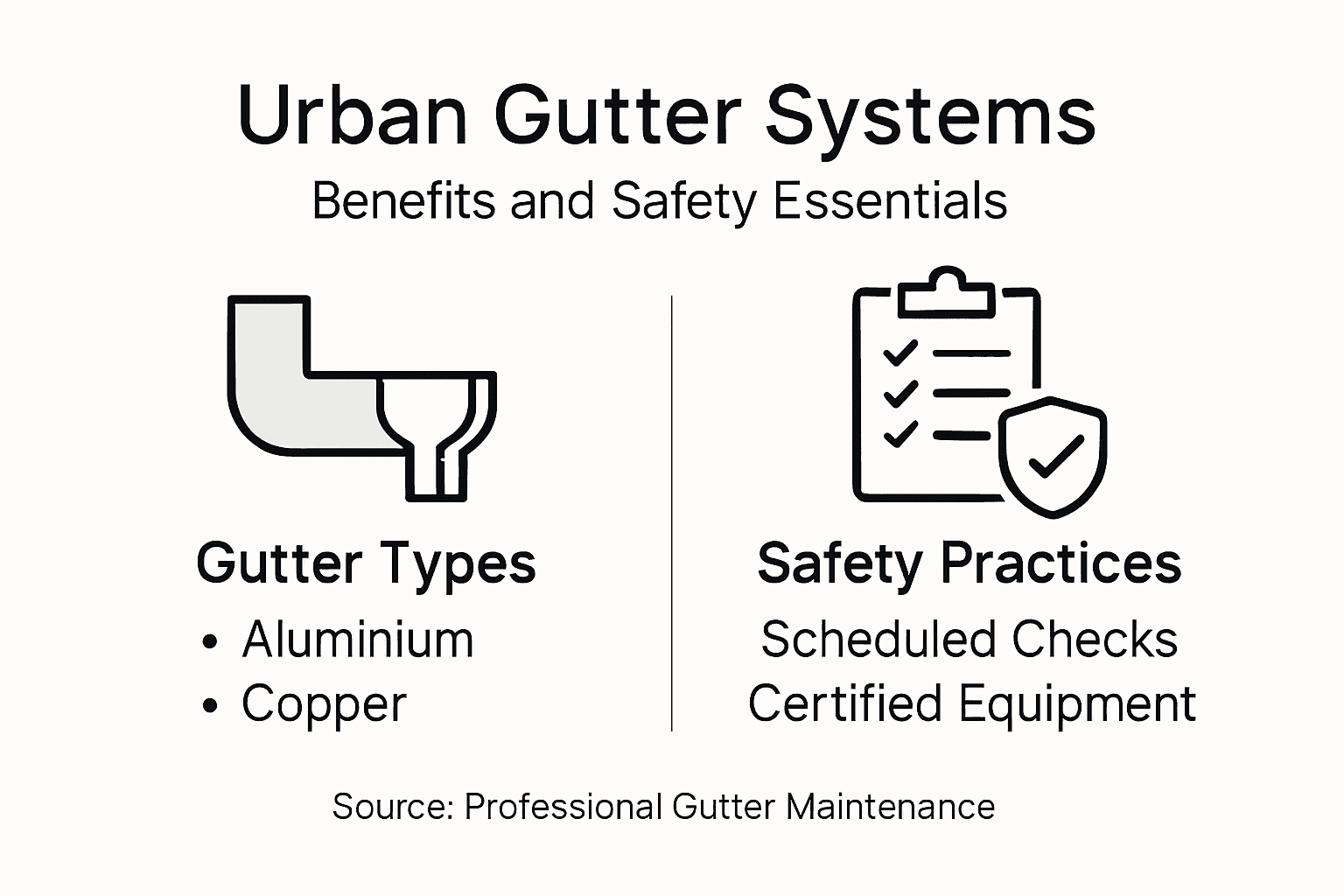
Here’s a summary of common gutter system types and their ideal building applications:
| Gutter Type | Suitable Building Style | Key Benefit |
|---|---|---|
| Box Gutters | Large commercial properties | Handles high water volume |
| K-Style Gutters | Modern residential developments | Decorative and practical |
| Half-Round Gutters | Heritage and historic buildings | Aesthetic appeal |
| Internal Gutters | High-rise urban structures | Hidden, space-efficient |
Pro tip: Conduct a comprehensive building assessment to determine the most suitable gutter system configuration for your specific urban infrastructure.
Safe Gutter Cleaning Methods and Equipment
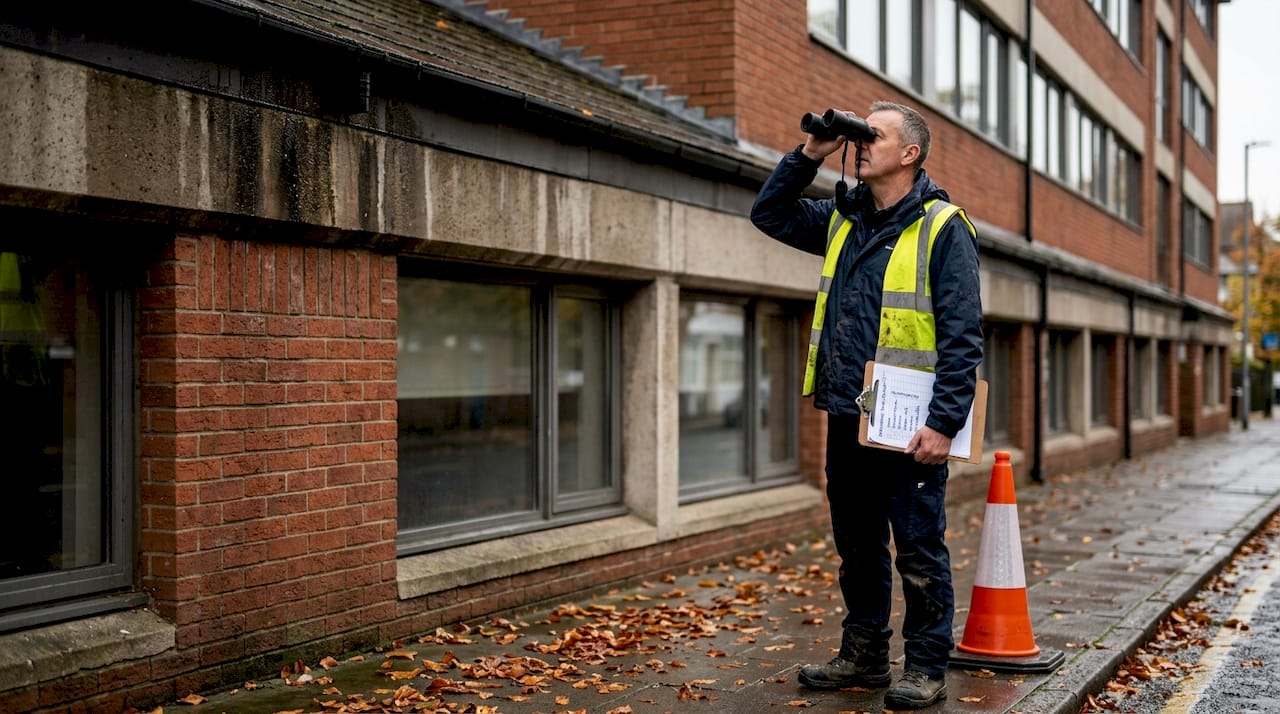
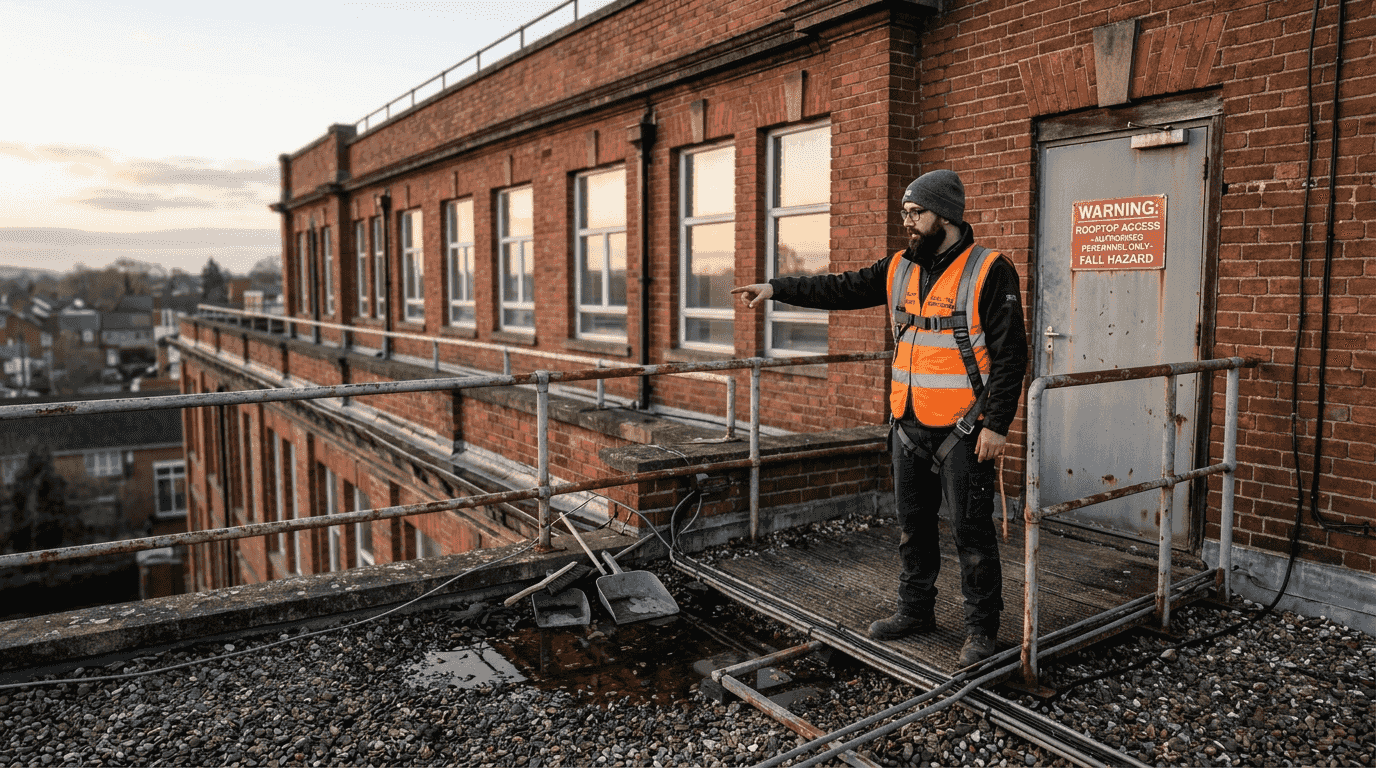
Gutter cleaning requires a strategic approach that balances effectiveness with worker safety. Advanced automated cleaning systems have emerged as innovative solutions to minimise human exposure to potential hazards during maintenance processes.
Traditional gutter cleaning equipment and methods include:
- Extendable ladders with stabilisation features
- Specialised gutter cleaning tools:
- Gutter scoops
- Pressure washers
- Garden hoses with specialised attachments
- Personal protective equipment (PPE):
- Safety harnesses
- Non-slip footwear
- Protective gloves
- Safety goggles
Comprehensive gutter inspection techniques recommend checking for critical issues during cleaning:
- Identifying rust and structural damage
- Assessing proper gutter slope
- Checking downspout functionality
- Detecting potential blockages
- Evaluating water flow characteristics
Modern property managers increasingly favour technological solutions that reduce manual intervention and associated safety risks. Automated systems offer significant advantages by minimising direct human contact with potentially contaminated debris and reducing the likelihood of workplace accidents.
Compare these approaches for safe gutter maintenance:
| Method | Safety Risk Level | Typical Equipment Needed |
|---|---|---|
| Manual Cleaning | High | Ladders, PPE, hand tools |
| Automated Cleaning | Low | Robotic systems, sensors |
| Professional Services | Moderate | Industrial tools, skilled staff |
Pro tip: Invest in professional training and certified safety equipment before undertaking any gutter maintenance project.
Legal Duties and Compliance for Property Managers
Property maintenance involves complex legal responsibilities that extend far beyond routine tasks. Legal obligations for gutter maintenance are particularly nuanced, requiring careful interpretation of lease agreements and local regulations.
Key legal considerations for property managers include:
- Implied warranty of habitability
- Structural integrity maintenance
- Safety risk management
- Compliance with building codes
- Regular property inspections
Home inspection standards mandate comprehensive assessments of property conditions, with specific requirements for gutter maintenance:
- Ensuring adequate gutter sizing
- Checking for structural damage
- Verifying water drainage functionality
- Documenting maintenance activities
- Addressing potential safety hazards
The legal landscape surrounding gutter maintenance typically places primary responsibility on property managers and landlords, particularly in multi-family residential buildings. Lease agreements must explicitly outline maintenance responsibilities, with most jurisdictions requiring landlords to maintain common areas and critical building infrastructure.
Pro tip: Consult local legal counsel to develop a comprehensive maintenance policy that clearly defines gutter cleaning responsibilities and liability protection.
Risks, Liabilities, and Cost Implications
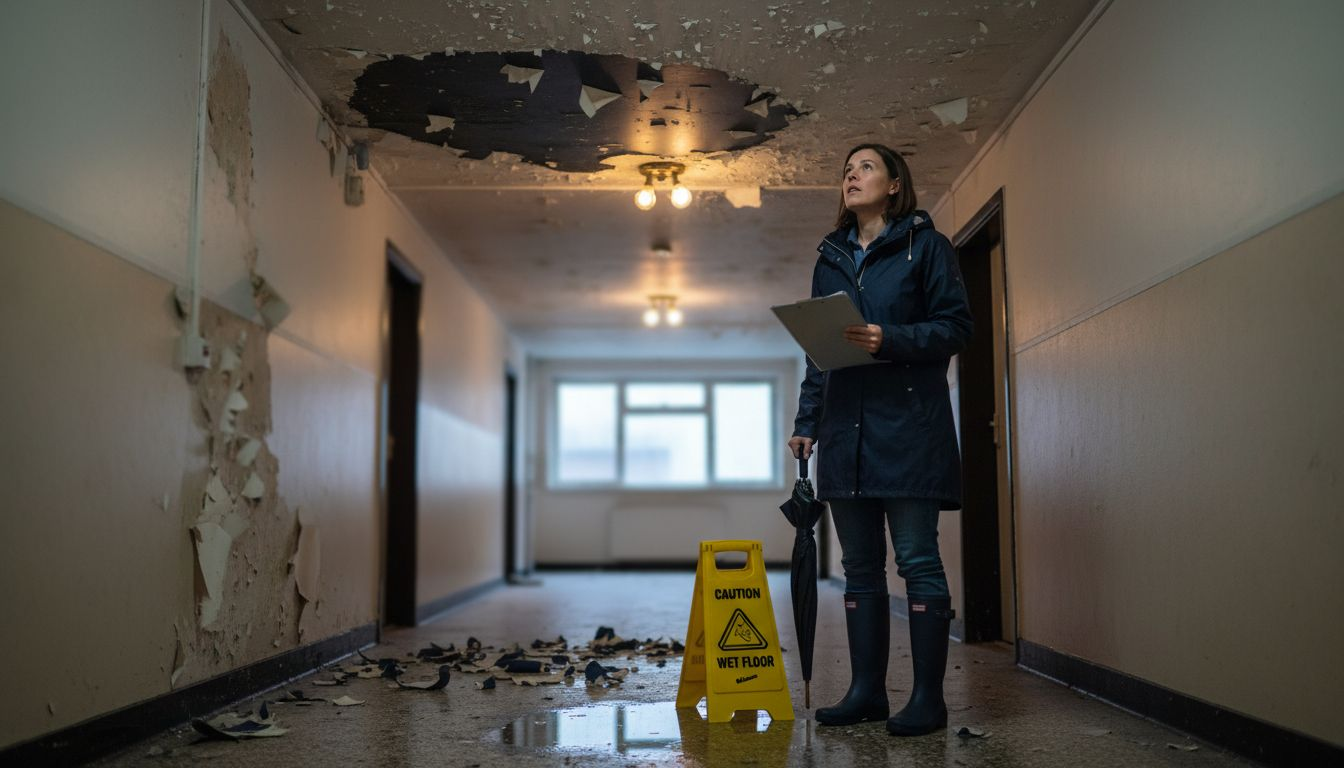
Property management involves navigating complex financial and legal risks associated with infrastructure maintenance. Blocked gutter consequences can create significant environmental and structural challenges that extend far beyond simple repair costs.
Potential financial risks include:
- Water damage to building foundations
- Structural deterioration
- Mould and dampness proliferation
- Insurance premium increases
- Potential legal claims from tenants
Gutter system performance standards highlight critical factors that influence liability:
- Environmental load resistance
- Structural integrity testing
- Compliance with safety regulations
- Regular maintenance documentation
- Risk mitigation strategies
Neglecting gutter maintenance can result in exponential cost escalation. Minor issues like debris accumulation can quickly transform into substantial structural damage, potentially costing thousands in unexpected repairs. Proactive management represents a strategic approach to minimising financial exposure and protecting property value.
Pro tip: Develop a comprehensive preventative maintenance schedule that includes quarterly gutter inspections to identify and address potential issues before they become costly problems.
Common Pitfalls and How to Avoid Them
Gutter maintenance requires meticulous attention to prevent critical infrastructure failures. Common gutter inspection challenges reveal multiple potential problems that property managers must proactively address.
Frequent gutter system pitfalls include:
- Incorrect gutter slope causing water stagnation
- Inadequate number of downspouts
- Material incompatibility leading to corrosion
- Debris accumulation blocking water flow
- Insufficient sizing for local rainfall patterns
Gutter system design standards recommend addressing these issues through:
- Regular comprehensive inspections
- Precise slope measurements
- Material compatibility assessments
- Environmental load calculations
- Systematic maintenance protocols
Preventing gutter system failures requires understanding complex environmental interactions. Professional managers must integrate technical knowledge with systematic maintenance approaches, ensuring infrastructure resilience against potential water damage and structural degradation.
Pro tip: Implement a digital tracking system to document each gutter inspection, recording precise measurements and identifying potential risk areas before they escalate.
Ensure Tenant Safety with Professional Gutter Cleaning Solutions
The article highlights the crucial challenge property managers face in maintaining safe, reliable gutter systems that protect tenant wellbeing and building infrastructure. Key pain points include managing biological contaminants, preventing water damage, and overcoming common maintenance myths. Adopting a strategic maintenance plan with expert intervention is essential to avoid costly repairs and liability risks.
Professional Gutter Cleaning Service for Blocks of Flats and Commercial Buildings offers tailored solutions that combine thorough inspections with advanced cleaning techniques. Our team understands the importance of compliance, effective debris removal, and safety protocols to safeguard your property year-round.
Don’t wait for costly damage or safety hazards to arise. Take action now to protect your tenants and property value by visiting Local Gutter Cleaner. Schedule your comprehensive gutter assessment today and experience peace of mind through expert care and reliable gutter management.
Frequently Asked Questions
What are the main myths about gutter cleaning?
Common myths about gutter cleaning include the belief that manual cleaning is always sufficient, that gutters only require attention after visible damage occurs, that all debris is harmless, and that professional cleaning services are unnecessary expenses.
How often should gutters be inspected and cleaned to ensure tenant safety?
It is recommended to schedule comprehensive gutter assessments at least twice a year to identify potential issues before they escalate into costly repairs.
What materials are commonly used in gutter systems, and what are their benefits?
Common materials for gutter systems include aluminium, which is lightweight and corrosion-resistant; copper, known for its durability and aesthetic qualities; galvanised steel, which is strong and cost-effective; and cast iron, a traditional material with exceptional longevity.
What are the risks associated with neglected gutter maintenance?
Neglected gutter maintenance can lead to water damage to building foundations, structural deterioration, proliferation of mould and dampness, increased insurance premiums, and potential legal claims from tenants.



[…] demonstrates reasonable care if disputes arise and shows regulators you take obligations seriously. Safe cleaning practices must be followed to protect workers and comply with health and safety […]
[…] Gutter Cleaning for Safety – Protecting Tenants’ Wellbeing […]