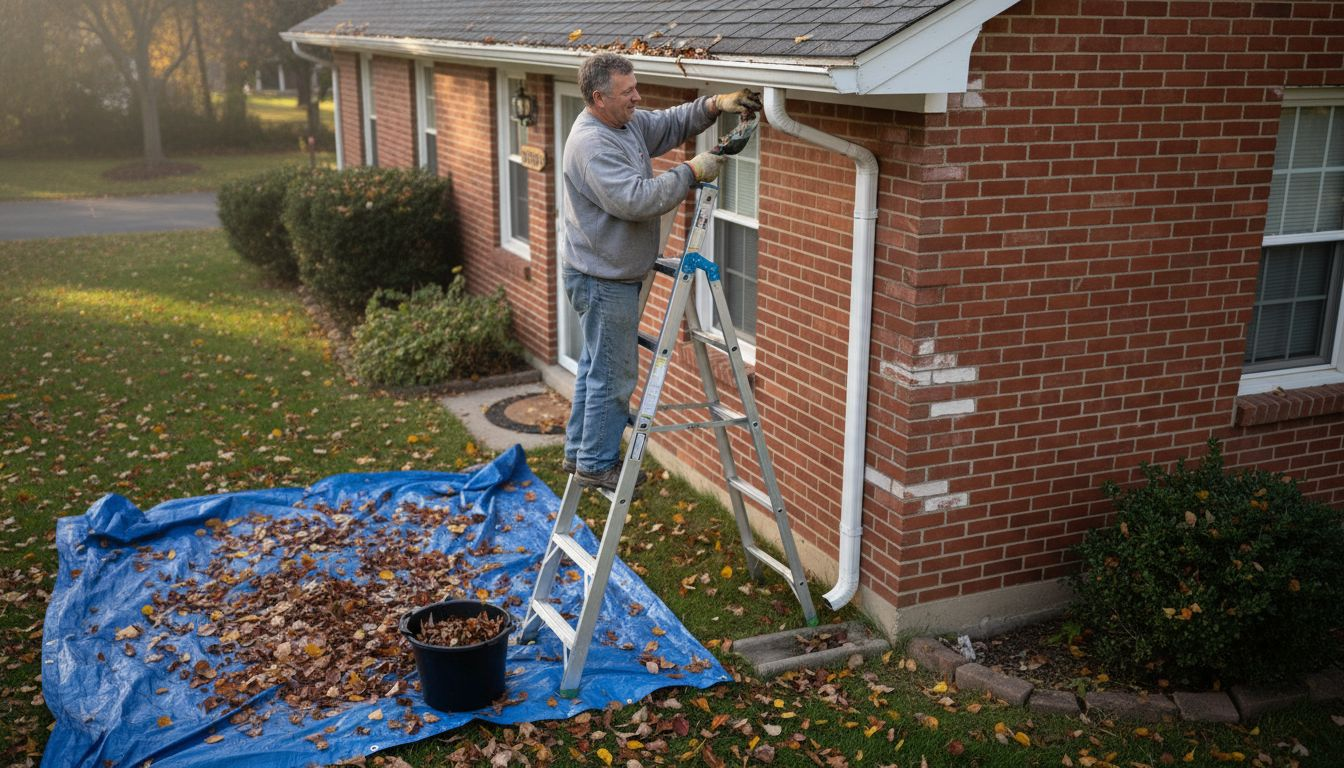
Every British homeowner knows that neglecting gutters can lead to expensive water damage down the line. With over 60 percent of British properties facing drainage issues at some point, understanding the key terms used in gutter cleaning is more than just useful—it is essential. By breaking down industry jargon, this guide empowers you to recognise potential trouble spots and make informed choices for protecting your home from the unpredictable British weather.
Table of Contents
- Essential Gutter Cleaning Terms Defined
- Different Gutter Types and Materials Explained
- Common Equipment and Tools in Practice
- Typical Gutter Cleaning Processes Unpacked
- Key Safety and Maintenance Terminology
Key Takeaways
| Point | Details |
|---|---|
| Gutter Components Are Essential | Understanding essential gutter components, such as gutters and downspouts, is crucial for effective water management and protecting properties from water damage. |
| Material Selection Impacts Longevity | Choosing the right gutter material, considering local climate and maintenance needs, significantly affects the gutter’s durability and performance over time. |
| Regular Inspections Are Necessary | Conducting biannual inspections helps identify blockages and damage early, preventing costly repairs and ensuring the efficient functioning of gutter systems. |
| Safety Practices are Paramount | Familiarising oneself with safety terminology is critical for safe gutter maintenance, reducing the risk of accidents during inspections and repairs. |
Essential Gutter Cleaning Terms Defined
Gutter cleaning involves understanding a range of specialised terminology that helps homeowners and property managers comprehend the intricate world of water management systems. Gutter components play a critical role in protecting buildings from water damage, with each element serving a specific purpose in directing rainwater safely away from structural foundations.
The fundamental components of a gutter system include gutters, which are horizontal channels typically mounted along roof edges to collect rainwater, and downspouts, vertical pipes that channel water from gutters to ground level. Additional critical elements include end caps, which seal the edges of gutter sections, preventing water leakage, and fascia brackets, the supportive fixtures that attach gutters securely to a building’s exterior.
Understanding gutter measurements and materials is equally important. Gutter sizes and flow capacities determine a system’s efficiency in managing water volume during heavy rainfall. Common gutter widths range from 4 to 6 inches for residential properties, with commercial buildings often requiring larger 7 to 8-inch configurations. Materials vary widely, including aluminium, PVC, steel, and copper, each offering distinct durability and maintenance characteristics.
Pro Tip: Periodic Inspection: Conduct a thorough gutter system examination twice annually, ideally during spring and autumn, to identify potential blockages, damage, or alignment issues before they escalate into costly repairs.
Different Gutter Types and Materials Explained
Gutter systems encompass a diverse range of materials, each offering unique characteristics and performance capabilities for property owners. Gutter material selection involves carefully evaluating multiple factors including durability, maintenance requirements, aesthetic appeal, and long-term cost-effectiveness.
Traditional gutter materials include aluminium, which remains popular due to its lightweight nature, corrosion resistance, and affordability. Copper gutters represent a premium option, developing a distinctive patina over time and offering exceptional longevity, albeit at a significantly higher initial investment. Steel gutters provide robust strength and are particularly suitable for regions experiencing extreme weather conditions, while PVC plastic gutters offer lightweight installation and minimal maintenance requirements.
When considering gutter material selection, homeowners must evaluate environmental conditions, architectural style, and budget constraints. Protecting property health involves selecting materials that can withstand local climate challenges, such as heavy rainfall, snow loads, or intense sunlight. Different materials exhibit varying performance characteristics: aluminium resists rust, copper develops natural protective layers, steel provides maximum structural integrity, and plastic offers cost-effective solutions for budget-conscious installations.
Here is a concise overview of common gutter materials and their key characteristics:
| Material | Durability | Maintenance Level | Typical Longevity |
|---|---|---|---|
| Aluminium | Good, rust-resistant | Low | 20+ years |
| Copper | Excellent, forms patina | Very Low | 50+ years |
| Steel | Robust but can rust | Moderate | 15–25 years |
| PVC Plastic | Moderate, UV-sensitive | Minimal | 10–15 years |
Pro Tip: Material Matching: Consult local climate experts or professional gutter installers to determine the most suitable gutter material for your specific regional weather patterns and property requirements.
Common Equipment and Tools in Practice
Gutter maintenance requires a comprehensive toolkit designed to address various challenges encountered during cleaning and repair processes. Professional gutter technicians typically carry an arsenal of specialised equipment that enables efficient and safe work, ranging from basic hand tools to advanced technological solutions.
Essential tools include extension ladders for accessing high guttering, safety harnesses to prevent falls, and protective gloves that shield hands from sharp metal edges and debris. Gutter scoops and pressure washers facilitate thorough cleaning, while moisture metres help detect potential water damage. Specialised tools like gutter cleaning attachments for leaf blowers and telescopic cleaning wands enable technicians to remove debris from ground level, minimising physical risks associated with height work.
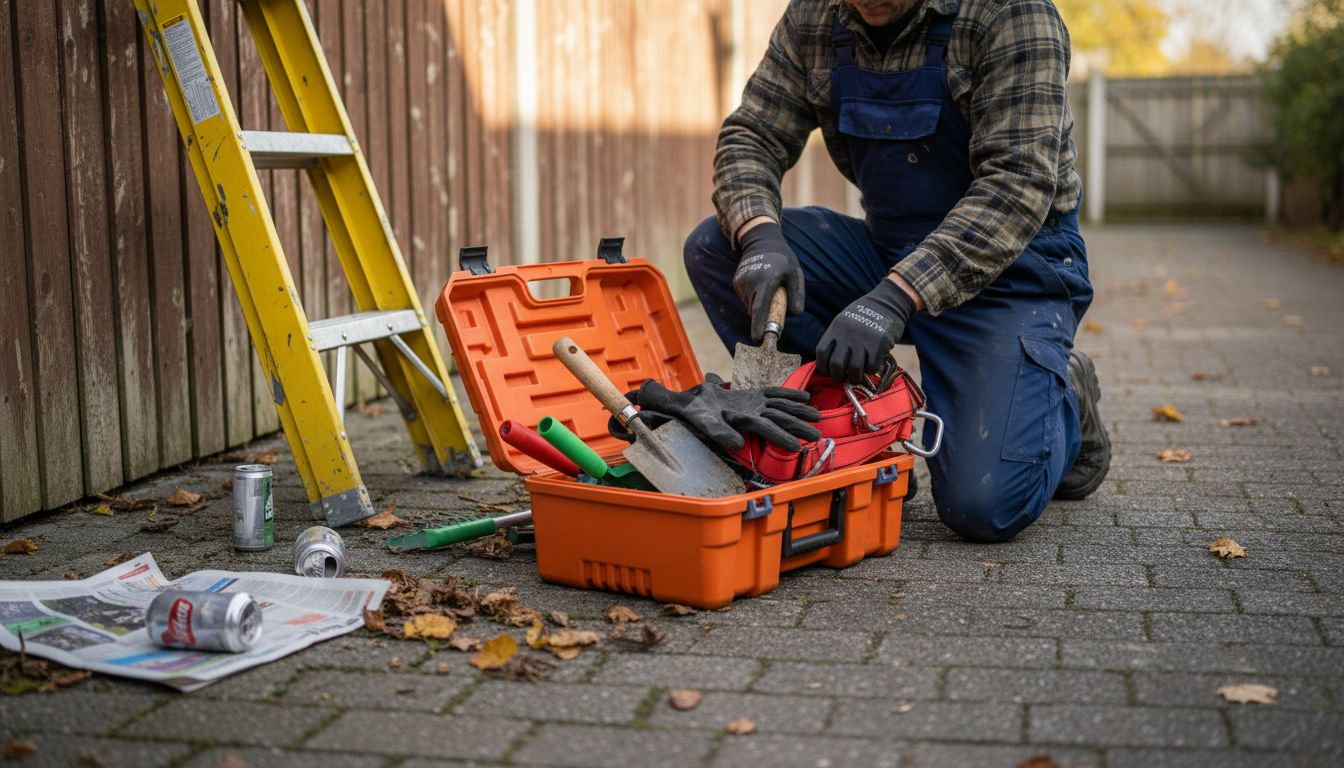
Professional gutter maintenance goes beyond simple cleaning, requiring precision instruments for comprehensive assessment. Downpipe installation and repair techniques demand specific tools such as pipe cutters, riveting tools, and sealant applicators. Digital measurement devices, including laser distance metres and thermal imaging cameras, help identify structural issues, leaks, and potential water infiltration points that might compromise a property’s integrity.
Pro Tip: Tool Maintenance: Clean and inspect your gutter maintenance tools after each use, checking for rust, damage, or wear to ensure optimal performance and extend their operational lifespan.
Typical Gutter Cleaning Processes Unpacked
Standard gutter cleaning procedures involve a systematic approach designed to maintain optimal water drainage and prevent potential structural damage. Professional technicians follow a structured methodology that goes beyond simple debris removal, encompassing comprehensive inspection and preventative maintenance techniques.
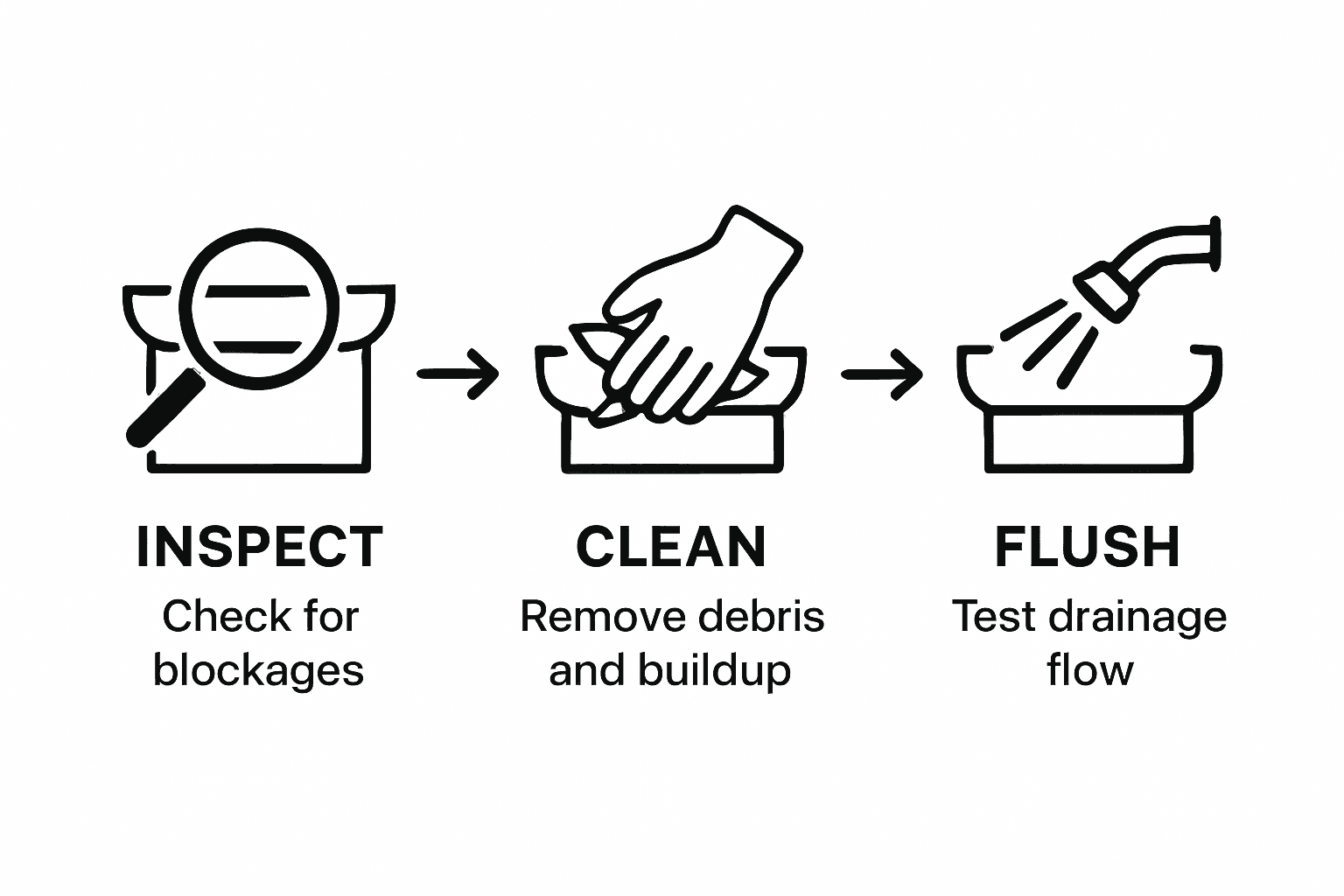
The cleaning process typically begins with visual inspection, where technicians assess the gutter system’s overall condition, identifying potential issues such as blockages, structural damage, or signs of wear. Debris removal follows, involving careful extraction of leaves, twigs, and accumulated organic matter using specialised tools like gutter scoops, pressure washers, and extendable cleaning attachments. This stage is critical for preventing water stagnation and potential overflow that could compromise a building’s foundation.
Gutter maintenance techniques extend beyond surface-level cleaning, incorporating detailed assessments of water flow, structural integrity, and potential vulnerabilities. Technicians employ moisture metres to detect hidden water damage, use thermal imaging to identify potential leaks, and conduct thorough checks of downspouts and connection points. These comprehensive evaluations help prevent long-term structural issues by identifying and addressing potential problems before they escalate into costly repairs.
Pro Tip: Seasonal Strategy: Schedule professional gutter cleaning at least twice annually – typically in late spring and early autumn – to ensure optimal performance and preempt potential water-related property damage.
Key Safety and Maintenance Terminology
Gutter maintenance terminology encompasses a comprehensive set of technical definitions critical for understanding the intricate processes of property protection and water management. Professionals and homeowners alike must familiarise themselves with these specialised terms to ensure effective gutter system upkeep and prevent potential structural complications.
Safety terminology plays a pivotal role in gutter maintenance, with key concepts including fall protection, working at height regulations, and personal protective equipment (PPE). Critical safety terms like harness point, anchor system, and load-bearing capacity define the parameters for safe working practices during gutter inspection and cleaning. These terms are not mere technical jargon but essential guidelines that prevent workplace accidents and ensure technician protection during potentially hazardous maintenance operations.
How to clean gutters safely involves understanding maintenance-specific terminology such as structural integrity, water flow capacity, and drainage efficiency. Technical terms like corrosion resistance, load distribution, and moisture migration help professionals assess potential risks and implement preventative strategies. Understanding these terms allows property owners to make informed decisions about gutter maintenance, recognising early warning signs of potential structural issues before they escalate into costly repairs.
Below is a summary of crucial safety and maintenance terms used in gutter care:
| Term | Definition | Importance |
|---|---|---|
| Fall Protection | Equipment preventing falls from height | Prevents injury |
| Structural Integrity | Condition ensuring system stability | Avoids collapse/leaks |
| Water Flow Capacity | Maximum water volume gutters handle | Prevents overflow |
| Corrosion Resistance | Material ability to withstand decay | Ensures longevity |
Pro Tip: Technical Understanding: Invest time in learning key gutter maintenance terminology to communicate effectively with professionals and make more informed decisions about your property’s water management system.
Understand Gutter Cleaning Like a Pro and Protect Your Property Today
Knowing the right gutter cleaning terminology and maintenance techniques is your first step towards safeguarding your home or commercial property from water damage and costly repairs. If terms like fall protection, water flow capacity, or structural integrity feel overwhelming, you are not alone. Many property owners struggle to ensure their gutter systems function properly without professional help. Understanding these concepts helps you make informed decisions and avoid blocked or damaged gutters that can lead to damp issues.
Take control now by choosing expert gutter cleaning services tailored to your needs. At Local Gutter Cleaner, we specialise in comprehensive gutter maintenance that covers inspection, repair, and cleaning with safety and quality at the core. Don’t risk your property’s health or your safety by delaying routine gutter care. Visit our main site to request a free quote or learn how our professional team can support your property’s long-term water management. Act today to protect your investment with trusted local expertise and peace of mind.
Frequently Asked Questions
What are the key components of a gutter system?
The main components of a gutter system include gutters, downspouts, end caps, and fascia brackets. Gutters collect rainwater, downspouts channel it down to the ground, end caps prevent leakage, and fascia brackets support the gutters.
How often should I clean my gutters?
It is recommended to conduct a thorough inspection and cleaning of your gutters at least twice a year, ideally in late spring and early autumn, to prevent blockages and potential water damage.
What materials are commonly used for gutters?
Common gutter materials include aluminium, copper, steel, and PVC plastic. Each material offers different durability, maintenance levels, and longevity, impacting their performance and suitability for various environments.
What safety precautions should I take when cleaning gutters?
Ensure to use fall protection equipment, such as harnesses, and check the weight-bearing capacity of ladders. Always wear protective gloves to safeguard against sharp edges and debris.
Recommended
- How to Clean Gutters Safely for Better Water Flow
- Role of Gutter Maintenance – Protecting Property Health
- Commercial Gutter Cleaning – Why Property Health Depends On It
- Gutter Cleaning Bellingham – Houses – Blocks of flats – Industrial
- Roofing Terminology Explained: Speak Like a Roofer – J. A. Kelly Contracting Services






Leave A Comment