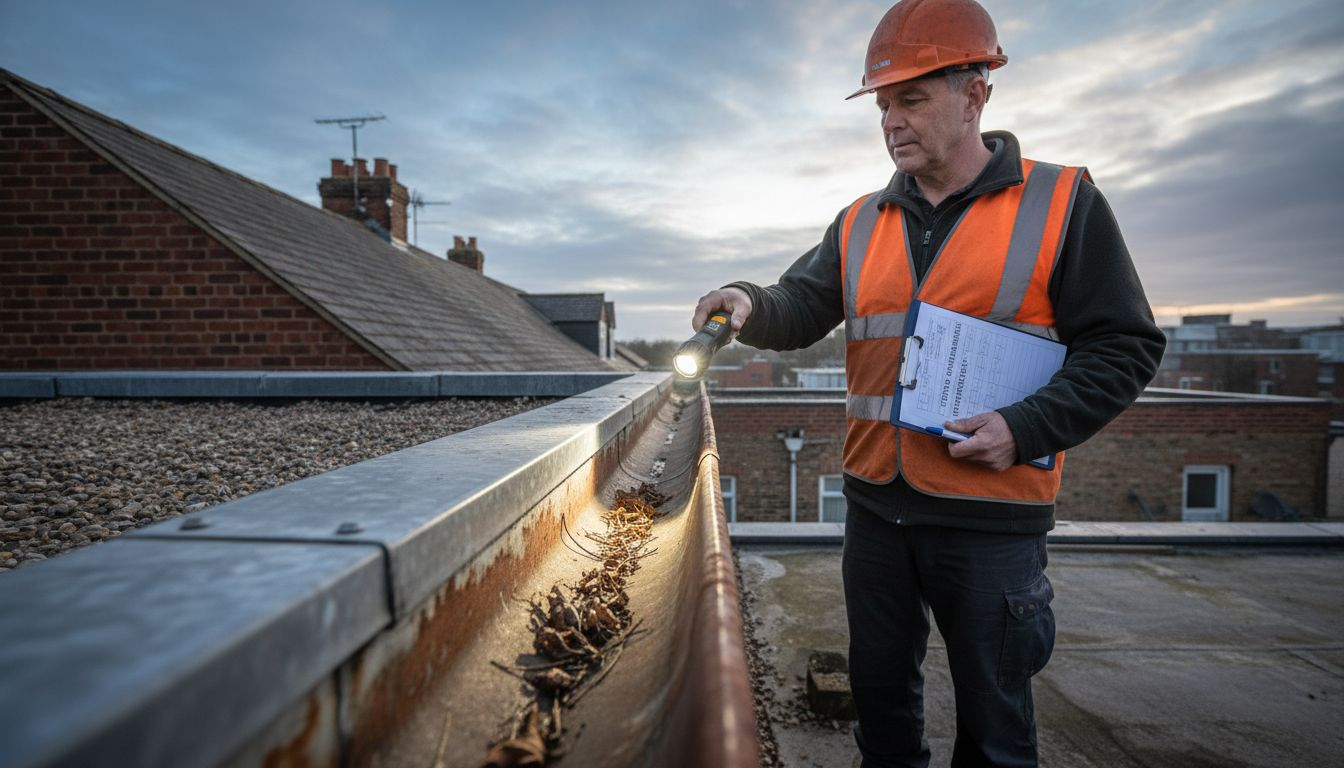
Blocked gutters are more than an eyesore—they can quickly lead to expensive leaks and even legal trouble for any property manager overseeing multi-unit buildings in cities such as London, Toronto, or Sydney. Keeping drainage systems clear and structurally sound is a necessity if you want to avoid financial hits from repairs, tenant complaints, or unexpected lawsuits. In this guide, you will find straightforward solutions and expert tips to make gutter lifespan management simple, reliable, and cost-effective for long-term peace of mind.
Table of Contents
- Gutter Lifespan Management Explained Clearly
- Variations In Materials And System Design
- Maintenance Schedules And Inspection Best Practice
- Financial And Legal Risks Of Poor Upkeep
- Avoiding Common Management Pitfalls
Key Takeaways
| Point | Details |
|---|---|
| Gutter Lifespan Management | Proper maintenance can extend gutter lifespan to 20-30 years; neglect can lead to costly structural damage. |
| Material Selection | Choose the correct gutter materials based on durability and maintenance needs for optimal performance in varied British climates. |
| Effective Maintenance Schedules | Implement bi-annual inspections and quarterly checks to identify issues early and prevent water damage. |
| Financial and Legal Risks | Neglecting gutter upkeep can result in significant financial liabilities and legal consequences, necessitating proactive management. |
Gutter Lifespan Management Explained Clearly
For property managers overseeing multi-unit residential buildings, understanding gutter lifespan management represents a critical aspect of proactive building maintenance. Gutters are far more than simple water drainage systems – they are integral protective infrastructure that prevents structural water damage and maintains property value.
Effective gutter management involves several strategic components that directly impact long-term building preservation. Gutter maintenance for property managers requires systematic approaches that account for multiple environmental and structural factors. These management strategies typically involve:
- Regular inspection schedules
- Systematic cleaning protocols
- Proactive damage prevention techniques
- Strategic repair and replacement planning
Building managers must recognise that gutter systems deteriorate progressively, influenced by multiple external factors such as weather conditions, material quality, installation precision, and maintenance frequency. British urban environments, characterised by significant rainfall and variable temperature ranges, place considerable stress on external building infrastructure.
The typical residential building gutter system can last between 20-30 years with proper maintenance, but neglect can dramatically reduce this lifespan. Factors like blocked drainage, material corrosion, structural movement, and improper installation can accelerate degradation, potentially leading to costly water damage and structural compromises.
Key Performance Indicators for gutter system health include:
- Water flow efficiency
- Structural integrity
- Material condition
- Attachment point stability
- Absence of visible corrosion or deformation
Pro tip: Implement a quarterly visual inspection regime to catch potential gutter system issues before they escalate into significant maintenance challenges.
Variations in Materials and System Design
The diverse landscape of gutter system materials presents property managers with critical decisions that directly impact long-term building maintenance and performance. Modern gutter systems encompass a range of materials, each offering distinct advantages and challenges for multi-unit residential properties. Gutter maintenance for property managers requires deep understanding of these material variations.
Typical gutter material options include:
- Aluminium: Lightweight, corrosion-resistant, and cost-effective
- Galvanised Steel: Durable and robust, ideal for high-stress environments
- Copper: Aesthetically pleasing with exceptional longevity
- Plastic/PVC: Economical and easy to install
- Stainless Steel: Premium material with maximum durability
Each material presents unique performance characteristics influenced by factors such as local climate, building design, and maintenance intensity. British urban environments, with their variable weather conditions, demand particularly careful material selection to ensure optimal gutter system performance.
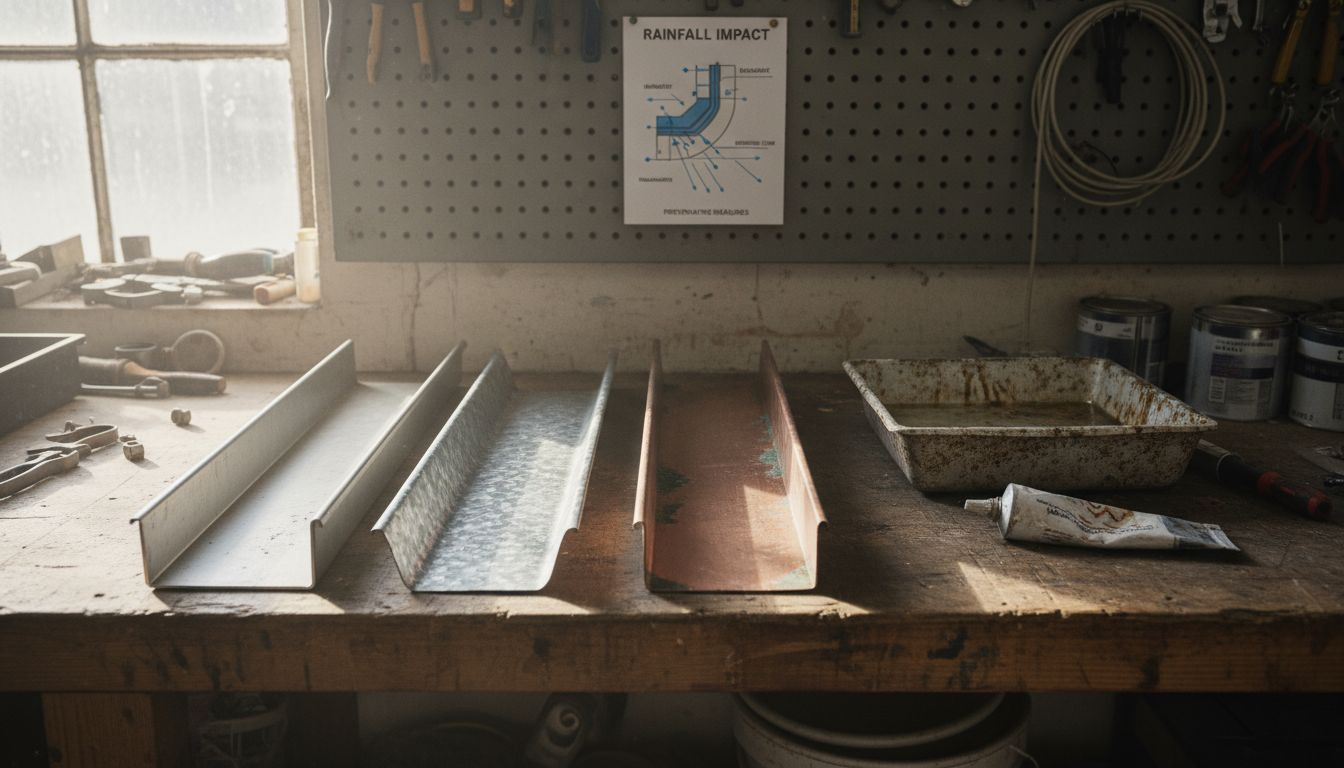
Here’s a concise comparison of common gutter materials and their long-term impact for property managers:
| Material | Expected Lifespan | Maintenance Needs | Typical Business Impact |
|---|---|---|---|
| Aluminium | 20-30 years | Low, requires periodic checks | Cost-effective, minimal issues |
| Galvanised Steel | 25-40 years | Moderate, needs rust control | Robust, but requires upkeep |
| Copper | 40-100 years | Minimal, aesthetic upkeep | Premium, increases value |
| PVC/Plastic | 10-20 years | High, prone to cracking | Low cost, frequent repairs |
| Stainless Steel | 50+ years | Minimal, structurally stable | Maximum durability, high value |
Design variations further complicate material selection, with different system configurations impacting water management efficiency. Seamless gutters, sectional designs, box gutters, and integral drainage systems each offer distinct advantages for property managers seeking comprehensive water management solutions.
Material selection is not just about initial cost, but long-term performance and maintenance requirements.
Factors influencing gutter system design and material selection include:
- Building height and architectural complexity
- Local rainfall intensity
- Temperature fluctuation ranges
- Aesthetic architectural requirements
- Budget constraints
- Maintenance accessibility
Pro tip: Consult with specialised drainage engineers to determine the most appropriate gutter material and design for your specific property portfolio.
Maintenance Schedules and Inspection Best Practice
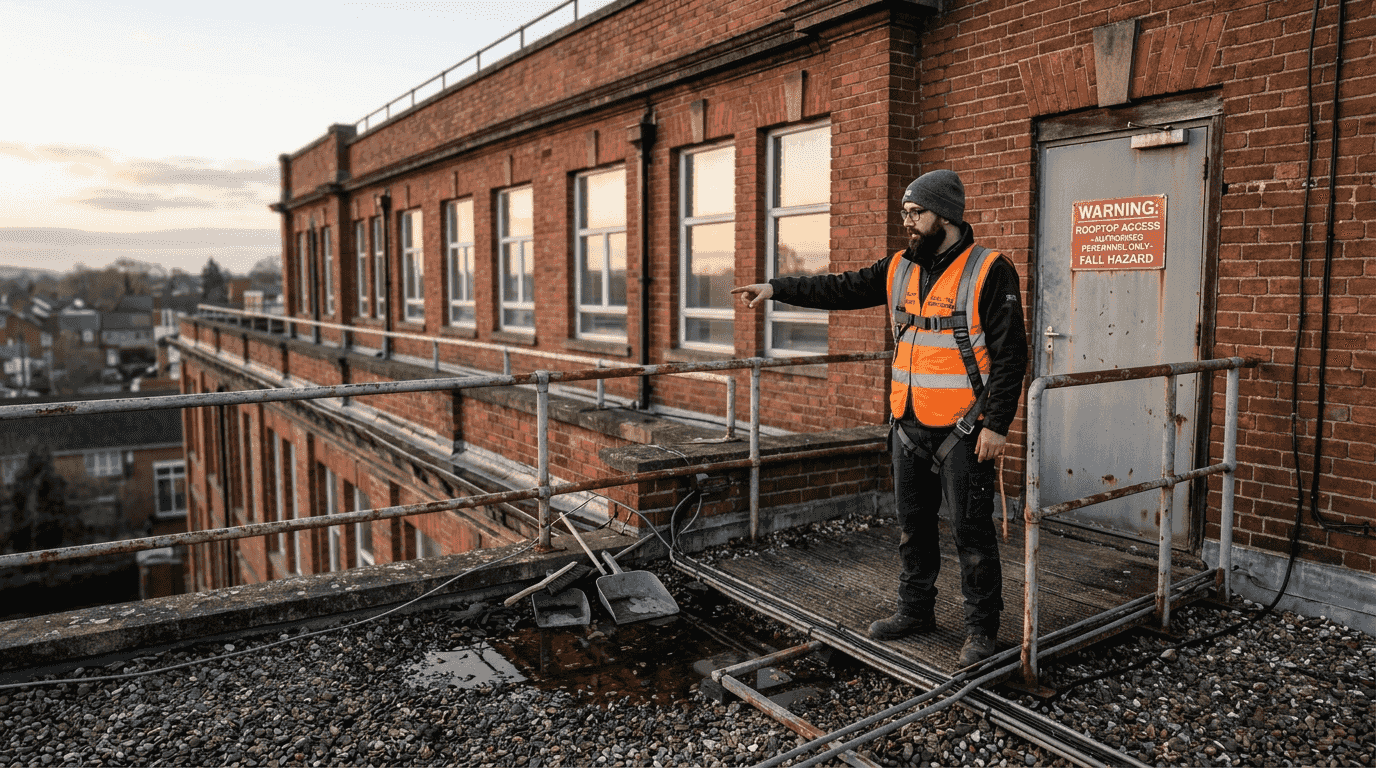
Effective gutter maintenance schedules are critical for property managers seeking to preserve building infrastructure and prevent costly water damage. Comprehensive gutter inspection procedures require systematic approaches that address multiple critical components of drainage systems.
The recommended maintenance cycle typically involves:
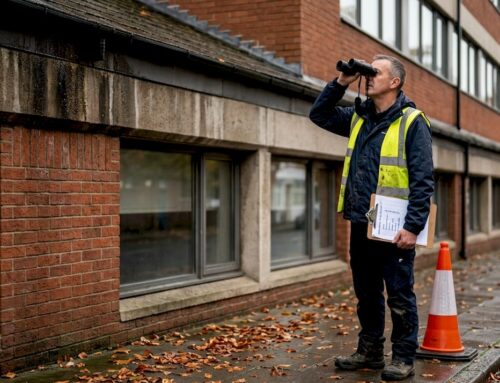
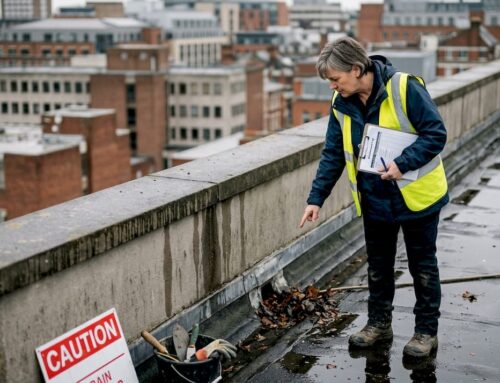
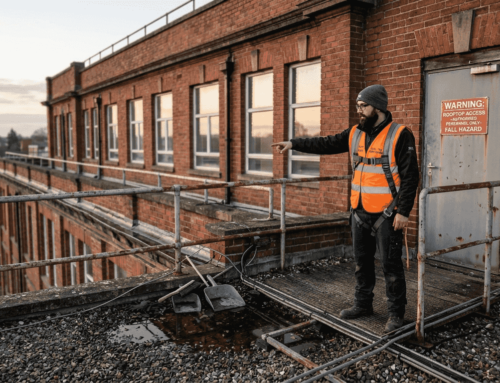
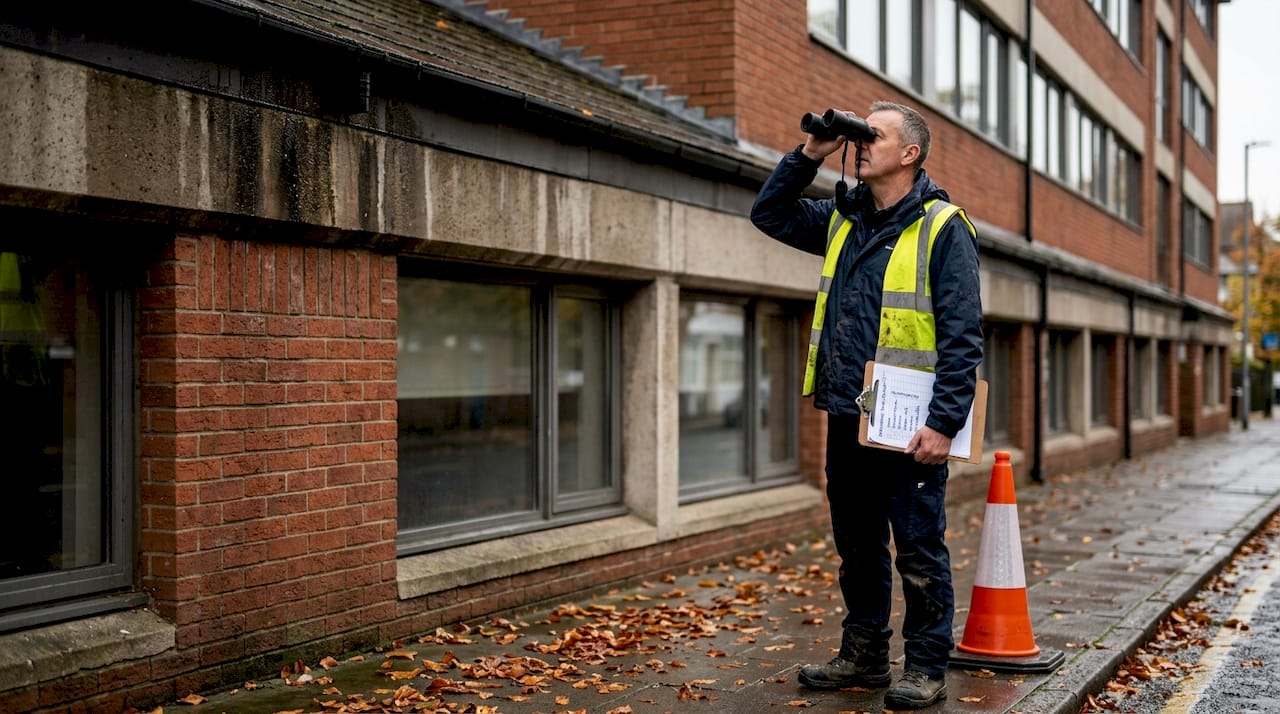
- Bi-annual comprehensive inspections (spring and autumn)
- Detailed visual assessments of entire gutter system
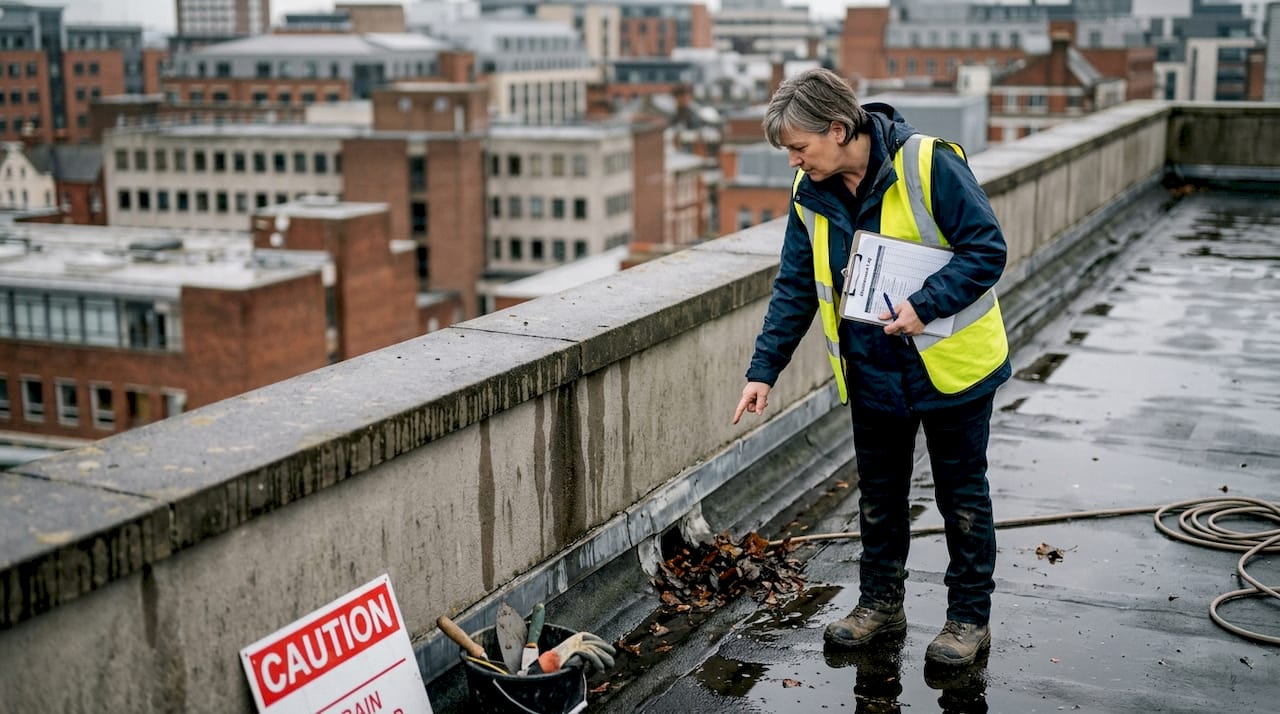
- Thorough cleaning and debris removal
- Structural integrity checks
- Performance testing of water flow and drainage
Inspection protocols should meticulously evaluate several key aspects of gutter performance. Property managers must carefully examine potential signs of structural compromise, including:
- Rust or corrosion development
- Loose or damaged fastening mechanisms
- Misalignment or improper gradient
- Evidence of water damage on adjacent surfaces
- Biological debris accumulation
Professional inspections can prevent up to 80% of potential water damage risks through early detection and targeted maintenance.
Periodic maintenance becomes even more crucial in British urban environments, characterised by frequent rainfall and variable weather conditions. Comprehensive inspections should ideally be conducted professionally twice annually, with additional spot checks following severe meteorological events.
Recommended Inspection Frequency:
- Comprehensive professional assessment: Twice per year
- Quick visual checks: Quarterly
- Post-storm emergency inspections: Immediately after significant weather events
- Annual detailed structural evaluation
Pro tip: Develop a standardised digital inspection checklist to ensure consistent and thorough gutter system assessments across your entire property portfolio.
Financial and Legal Risks of Poor Upkeep
Neglecting gutter maintenance exposes property managers to significant financial and legal vulnerabilities that can dramatically exceed the cost of routine upkeep. Legal risks of building maintenance neglect create substantial potential for expensive litigation and regulatory penalties.
The primary financial risks associated with poor gutter maintenance include:
- Structural damage to building foundations
- Water infiltration causing interior property damage
- Mould and dampness development
- Accelerated building material deterioration
- Reduced property market value
- Potential insurance claim complications
Legal exposure emerges through multiple potential pathways, with property managers facing potential consequences such as:
- Personal injury liability
- Breach of building safety regulations
- Potential negligence claims
- Mandatory remediation orders
- Significant monetary penalties
Proactive maintenance represents a fraction of the potential cost of comprehensive structural repairs and legal proceedings.
Built environments in the United Kingdom present unique challenges, with frequent rainfall and variable weather conditions exponentially increasing the risks associated with poorly maintained drainage systems. Property managers must recognise that seemingly minor gutter maintenance issues can rapidly escalate into complex legal and financial nightmares.
The following table summarises the key financial and legal risks property managers face with inadequate gutter upkeep:
| Risk Type | Potential Consequence | Typical Cost Implication |
|---|---|---|
| Structural | Foundation damage, dampness | High, extensive repairs |
| Insurance | Claim complications | Increased premiums, rejection |
| Legal | Regulatory breaches, lawsuits | Significant fines, litigation |
| Value Loss | Reduced market value | Lower returns, resale issues |
Key Risk Assessment Factors:
- Frequency of professional inspections
- Documentation of maintenance activities
- Responsiveness to identified structural issues
- Compliance with local building regulations
- Comprehensive risk management protocols
Pro tip: Implement a digital maintenance log that comprehensively tracks all gutter system inspections, repairs, and potential risk indicators to demonstrate proactive management.
Avoiding Common Management Pitfalls
Property managers confronting gutter system challenges must navigate a complex landscape of potential maintenance errors. Critical factors affecting gutter lifespan reveal numerous systemic pitfalls that can dramatically compromise infrastructure integrity.
Common management mistakes that significantly impact gutter performance include:
- Inconsistent inspection schedules
- Neglecting minor damage signs
- Using inappropriate repair materials
- Failing to address drainage gradient issues
- Overlooking environmental stress factors
- Postponing necessary professional interventions
Structural vulnerabilities often emerge from seemingly innocuous management oversights. Property managers must remain vigilant about detecting and addressing potential issues before they escalate into comprehensive system failures.
Proactive identification of subtle structural warning signs can prevent exponentially more expensive remediation efforts.
The most critical areas requiring consistent managerial attention involve:
- Material quality assessment
- Installation precision evaluation
- Weather exposure mitigation
- Routine maintenance documentation
- Systematic repair prioritisation
British urban environments present unique challenges, with frequent rainfall and variable temperature ranges creating complex stress conditions for external building infrastructure. Successful gutter management demands a nuanced understanding of local environmental dynamics and their potential long-term impacts.
Key Preventative Strategies:
- Implement comprehensive digital tracking systems
- Conduct regular professional assessments
- Develop predictive maintenance protocols
- Invest in high-quality initial installation
- Maintain detailed maintenance records
Pro tip: Create a standardised digital inspection template that captures precise environmental and structural data to enable more accurate predictive maintenance strategies.
Secure Your Property’s Future with Expert Gutter Lifespan Management
Proper gutter upkeep is essential to avoid costly structural damage and legal risks highlighted in “Gutter Lifespan Management – Costs, Risks, and Success”. If you are managing blocks of flats or commercial buildings facing challenges like corrosion, water infiltration, or unpredictable British weather impacts, understanding gutter system health and implementing timely inspections is vital. Don’t let neglect undermine your property’s integrity or value.
Take control today by partnering with our specialised Gutter Cleaning Service for Blocks of flats and commercial buildings. Our professional team ensures regular, thorough maintenance that targets key pain points such as blocked drainage and material degradation. Visit https://local-guttercleaner.co.uk to schedule your inspection now and benefit from tailored strategies that prevent expensive repairs and legal complications. Your proactive approach will safeguard both your investment and peace of mind.
Frequently Asked Questions
What is the typical lifespan of a gutter system?
The typical lifespan of a residential gutter system can range from 20 to 30 years with proper maintenance. Neglecting maintenance can significantly reduce this lifespan.
What are the key factors that impact gutter lifespan?
Key factors include weather conditions, material quality, installation precision, and the frequency of maintenance. Environmental stress, such as heavy rainfall or temperature fluctuations, can also accelerate deterioration.
How often should gutters be inspected for maintenance?
It is recommended to conduct comprehensive inspections twice a year, with additional visual checks quarterly and post-storm inspections after significant weather events to catch any immediate issues.
What are the financial risks of poor gutter maintenance?
Poor gutter maintenance can lead to structural damage, mould development, decreased property value, and potential legal liabilities. These risks often result in costly repairs and possible litigation due to safety breaches.
[…] Gutter Lifespan Management – Costs, Risks, and Success […]
[…] Gutter Lifespan Management – Costs, Risks, and Success […]
[…] Gutter Lifespan Management – Costs, Risks, and Success […]