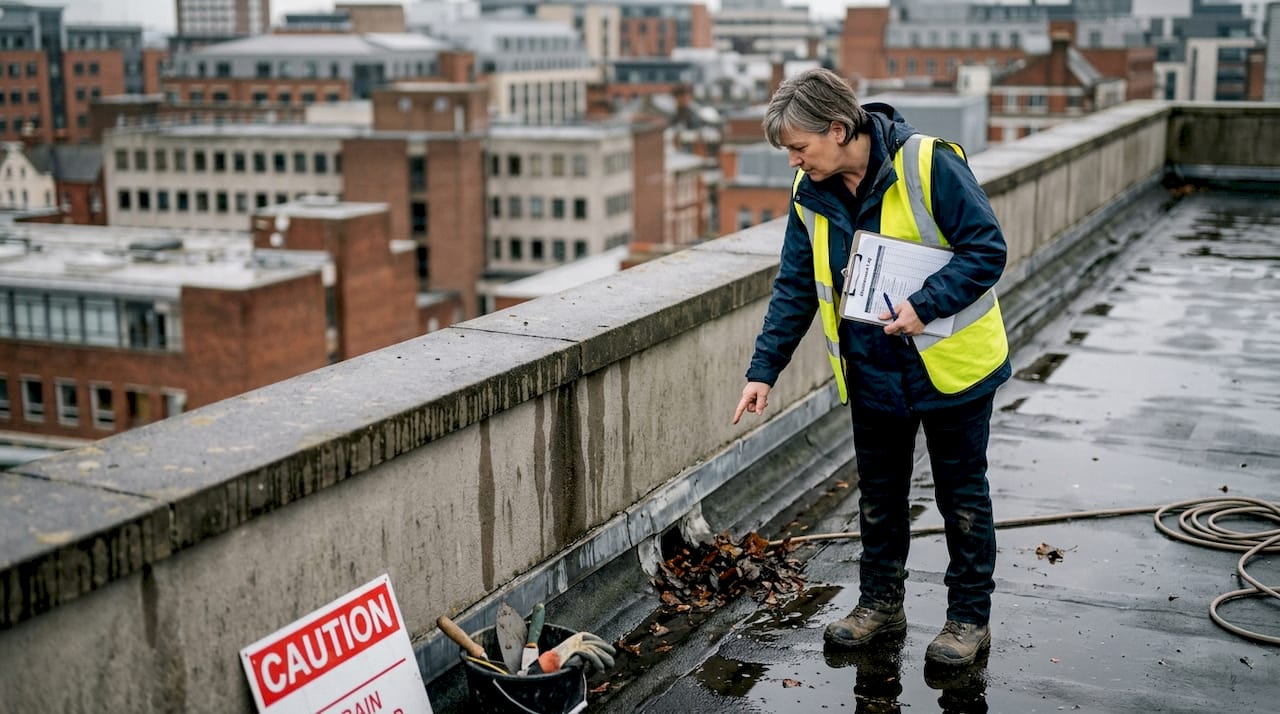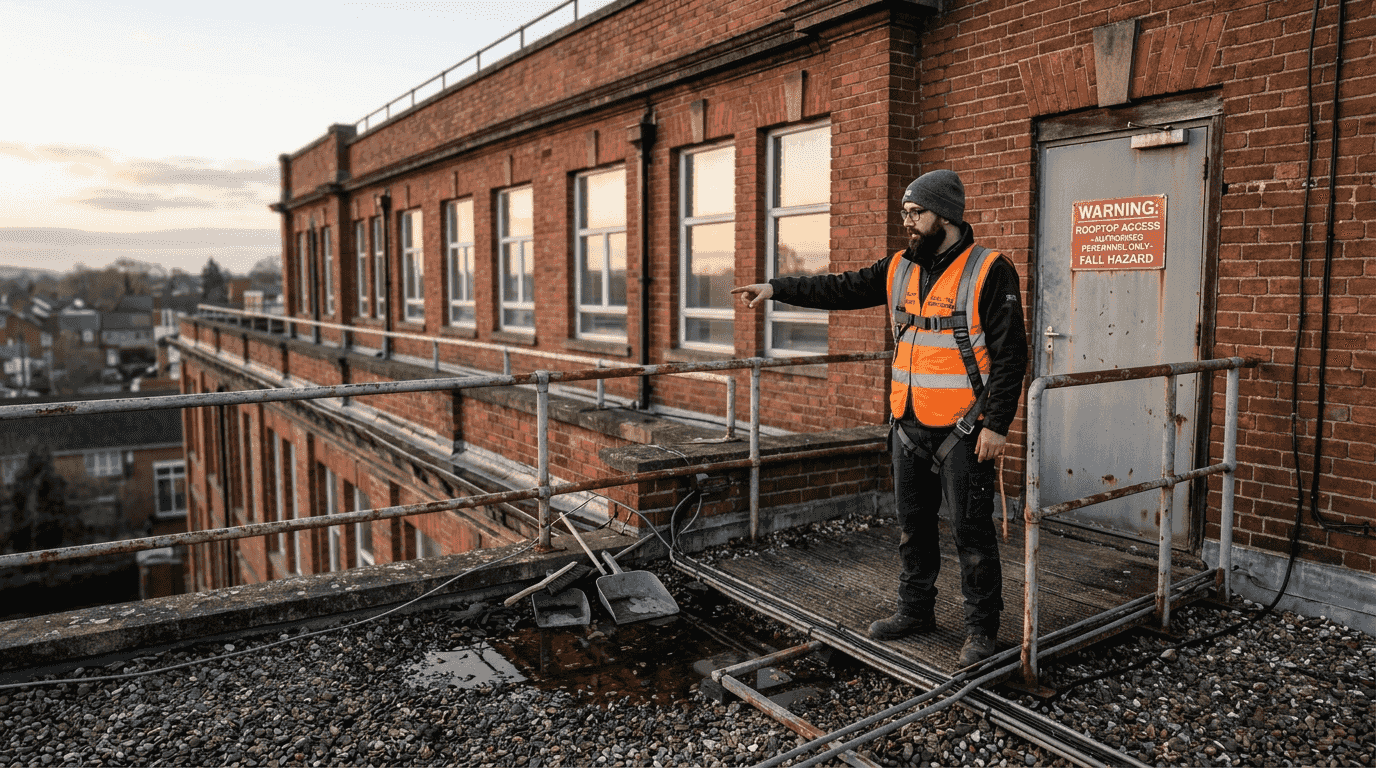
When water begins to seep behind the walls or pool near foundations, the damage can escalate quickly for property managers overseeing multi-unit buildings in busy cities. Gutter restoration stands as the first defence, helping to protect building integrity and prevent costly repairs caused by unchecked leaks, damp, and structural decay. This article guides you through practical solutions for restoring and maintaining gutter systems, ensuring your property remains safe, resilient, and attractive year-round.
Table of Contents
- What Is Gutter Restoration And Why It Matters
- Types Of Gutters For Multi-Unit Buildings
- Step-By-Step Gutter Restoration Process
- Critical Risks Of Neglected Gutters
- Costs And Common Mistakes To Avoid
Key Takeaways
| Point | Details |
|---|---|
| Importance of Gutter Restoration | Regular gutter restoration prevents water damage and structural decay, safeguarding buildings from costly repairs. |
| Risks of Neglect | Failing to maintain gutters can lead to severe foundation damage, mould growth, and increased repair costs. |
| Gutter Material Selection | Choosing the appropriate gutter material is vital for effective water management and long-term durability in urban settings. |
| Professional Inspections Recommended | Scheduling professional inspections bi-annually is crucial to identify and address potential gutter issues before they escalate. |
What Is Gutter Restoration and Why It Matters
Gutter restoration represents a critical maintenance process for protecting urban residential and commercial buildings from water-related structural damage. By systematically repairing and maintaining drainage systems, property managers can prevent expensive repairs and preserve building integrity. Effective water discharge systems are essential for channelling rainwater safely away from walls and foundations.
The primary purpose of gutter restoration involves several key objectives:
- Preventing water ingress into building structures
- Protecting exterior and interior surfaces from moisture damage
- Mitigating risks of mould, dampness, and structural decay
- Maintaining the aesthetic and functional quality of buildings
Professional gutter restoration goes beyond simple cleaning. It encompasses a comprehensive approach that includes inspecting gutter systems, identifying potential weaknesses, repairing damaged sections, and ensuring optimal water flow through corrosion-resistant materials. Urban blocks with well-maintained gutters can significantly reduce long-term maintenance costs and prevent catastrophic water damage.
Risks of Neglecting Gutter Maintenance:
- Structural foundation deterioration
- Wall and ceiling water damage
- Increased risk of mould and mildew growth
- Potential basement flooding
- Compromised building insulation
Proactive gutter restoration is substantially more cost-effective than reactive structural repairs.
Pro tip: Schedule professional gutter inspections twice annually to catch potential issues before they escalate into expensive repairs.
Types of Gutters for Multi-Unit Buildings
Multi-unit buildings require sophisticated gutter systems that can handle complex water management challenges across large roof structures. Architectural gutter configurations play a crucial role in protecting extensive urban residential and commercial developments from water-related structural damage.
Primary Gutter Types for Multi-Unit Buildings:
- Eaves gutters: Traditional perimeter drainage systems
- Valley gutters: Designed for intersecting roof planes
- Parapet gutters: Integrated into building’s architectural design
- Box gutters: High-capacity water management systems
These gutter systems are manufactured from various materials, each offering distinct advantages for urban building management. Copper and alternative materials provide unique benefits depending on specific architectural requirements and environmental conditions.
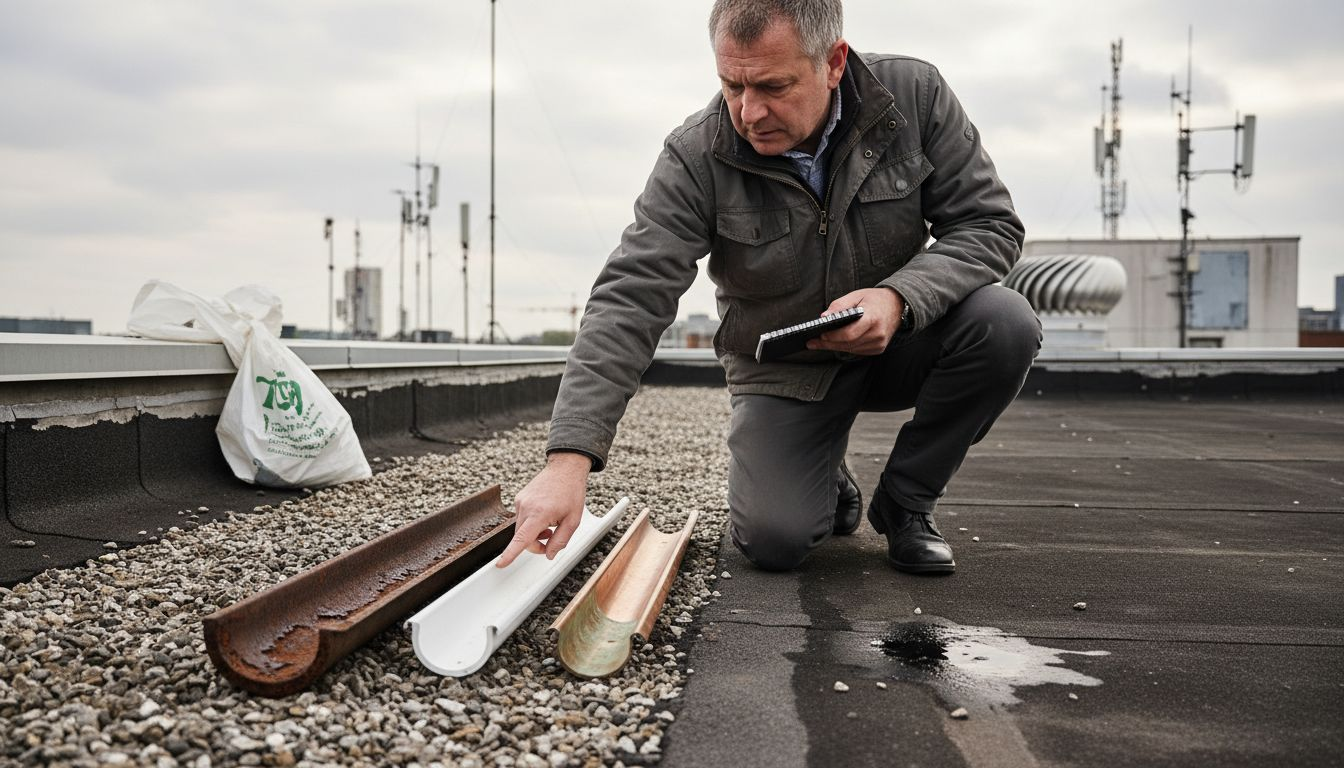
Material Characteristics for Multi-Unit Building Gutters:
Below is a comparison of common gutter materials and their suitability for urban multi-unit buildings:
| Material | Durability Level | Maintenance Needs | Suitability for Urban Use |
|---|---|---|---|
| Cast iron | Extremely high | Periodic painting | Excellent for historic blocks |
| Aluminium | High | Minimal | Ideal for modern developments |
| Galvanised steel | Above average | Occasional rust checks | Good for cost control |
| Copper | Exceptional | Rare cleaning required | Suits prestigious properties |
| PVC | Moderate | Regular inspection | Appropriate for economical builds |
- Cast iron: Extremely durable, heavy-weight
- Aluminium: Lightweight, corrosion-resistant
- Galvanised steel: Cost-effective, robust
- Copper: Long-lasting, minimal maintenance
- PVC: Economical, lightweight option
Selecting the appropriate gutter material and configuration is critical for effective water management in multi-unit buildings.
Pro tip: Consult professional drainage engineers to determine the most suitable gutter system for your specific building’s architectural design and local climate conditions.
Step-By-Step Gutter Restoration Process
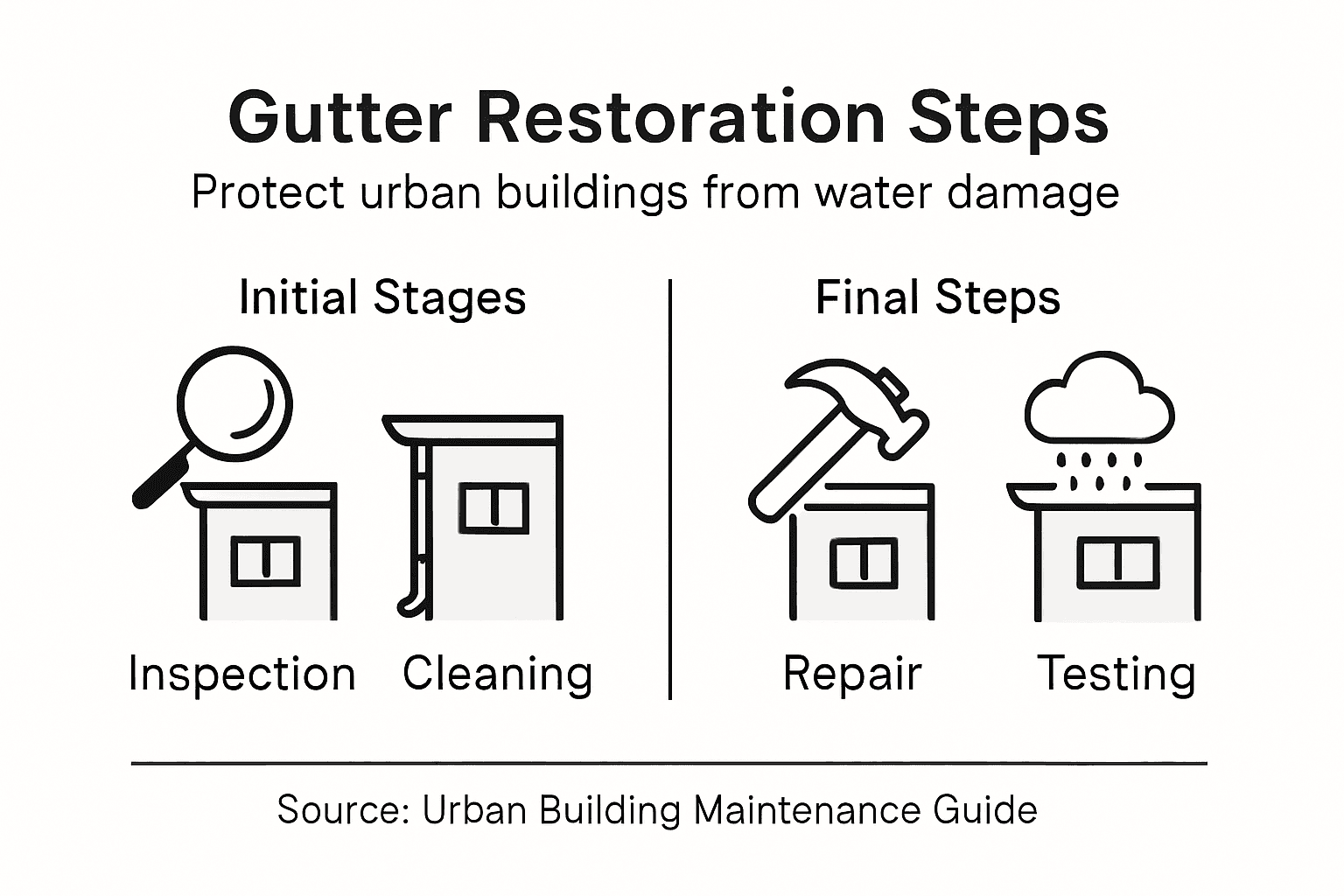
Gutter restoration requires a systematic approach to ensure comprehensive protection for multi-unit buildings. Internal metal gutter restoration involves precise technical processes that demand careful attention to detail and professional expertise.
Key Steps in Gutter Restoration:
- Initial inspection: Comprehensive damage assessment
- Debris removal: Thorough cleaning of gutter systems
- Damage evaluation: Identifying structural vulnerabilities
- Material selection: Choosing appropriate restoration materials
- Repair or replacement: Addressing specific gutter issues
The restoration process begins with a detailed diagnostic assessment of gutter conditions, which involves carefully examining the existing system for signs of structural compromise, corrosion, or water damage.
Comprehensive Restoration Procedure:
- Comprehensive visual and structural inspection
- Detailed cleaning and debris removal
- Precise measurement of existing gutter configuration
- Identification of potential repair or replacement needs
- Selection of appropriate restoration materials
- Systematic repair or replacement of damaged sections
- Resealing and waterproofing of gutter joints
- Verification of proper drainage slope
- Final quality assurance check
Professional gutter restoration requires a meticulous approach to prevent future water damage and structural deterioration.
Pro tip: Document each stage of the gutter restoration process with detailed photographs and measurements to create a comprehensive maintenance record for future reference.
Critical Risks of Neglected Gutters
Neglected gutters pose significant threats to multi-unit buildings, potentially causing extensive and expensive structural damage. Water infiltration risks can compromise the entire building’s integrity, leading to catastrophic maintenance challenges for property managers.
Primary Structural Risks of Gutter Neglect:
- Foundation structural weakening
- Accelerated building material decay
- Extensive water damage to interior spaces
- Landscape erosion and degradation
- Increased potential for mould growth
- Compromised building insulation systems
In high-risk environments, particularly those prone to extreme weather conditions, gutter maintenance becomes critically important. Accumulated debris not only creates water management problems but can also introduce significant fire risks, especially in regions with wildfire potential.
Comprehensive Damage Potential:
The following table summarises the impact of neglected gutter maintenance on multi-unit building longevity:
| Neglect Type | Short-Term Effect | Long-Term Impact |
|---|---|---|
| Blocked drainage | Localised overflow | Foundation erosion |
| Corroded materials | Minor leakage | Structural compromise |
| Poor joint sealing | Moisture patches indoors | Mould and insulation loss |
| Infrequent inspection | Debris accumulation | Expensive repairs required |
- Compromised foundation structural integrity
- Extensive roof and wall water damage
- Accelerated building material deterioration
- Increased indoor air quality problems
- Potential electrical system risks
- Landscape and exterior property damage
Proactive gutter maintenance is substantially more cost-effective than addressing comprehensive structural repairs.
Pro tip: Implement a quarterly professional inspection regime to identify and address potential gutter vulnerabilities before they escalate into major structural issues.
Costs and Common Mistakes to Avoid
Gutter restoration for multi-unit buildings involves significant financial considerations and potential pitfalls that property managers must carefully navigate. Typical gutter installation costs range between £10 to £14 per linear metre, varying based on building complexity and selected materials.
Key Cost Factors for Gutter Restoration:
- Building size and total linear metre requirement
- Selected gutter material (aluminium, copper, zinc)
- Complexity of installation process
- Extent of existing damage
- Professional labour rates
- Additional repair requirements
Property managers must be acutely aware of common restoration mistakes that can significantly increase long-term maintenance expenses. Improper gutter sizing, inadequate drainage slopes, and neglecting regular maintenance can transform what should be a straightforward restoration into a costly renovation project.
Critical Mistakes to Avoid:
- Incorrect gutter or downspout sizing
- Insufficient drainage slope configuration
- Overlooking existing corrosion or structural damage
- Neglecting regular cleaning schedules
- Inappropriate material selection for local climate
- DIY repairs without professional assessment
Professional intervention can prevent exponential damage and reduce overall restoration costs.
Pro tip: Always obtain multiple professional quotes and request detailed assessments that include comprehensive material recommendations and potential long-term maintenance strategies.
Protect Your Urban Blocks with Expert Gutter Restoration Services
Neglecting gutter maintenance can lead to severe structural damage, dampness, and costly repairs for blocks of flats and commercial buildings. With the risks of mould growth and foundation erosion highlighted in the article, it is essential to prioritise professional gutter restoration to safeguard your property’s integrity. Our specialised Gutter Cleaning Service for blocks of flats and commercial buildings focuses on thorough inspections, debris removal, and expert repairs to ensure optimal water discharge and long-term protection.
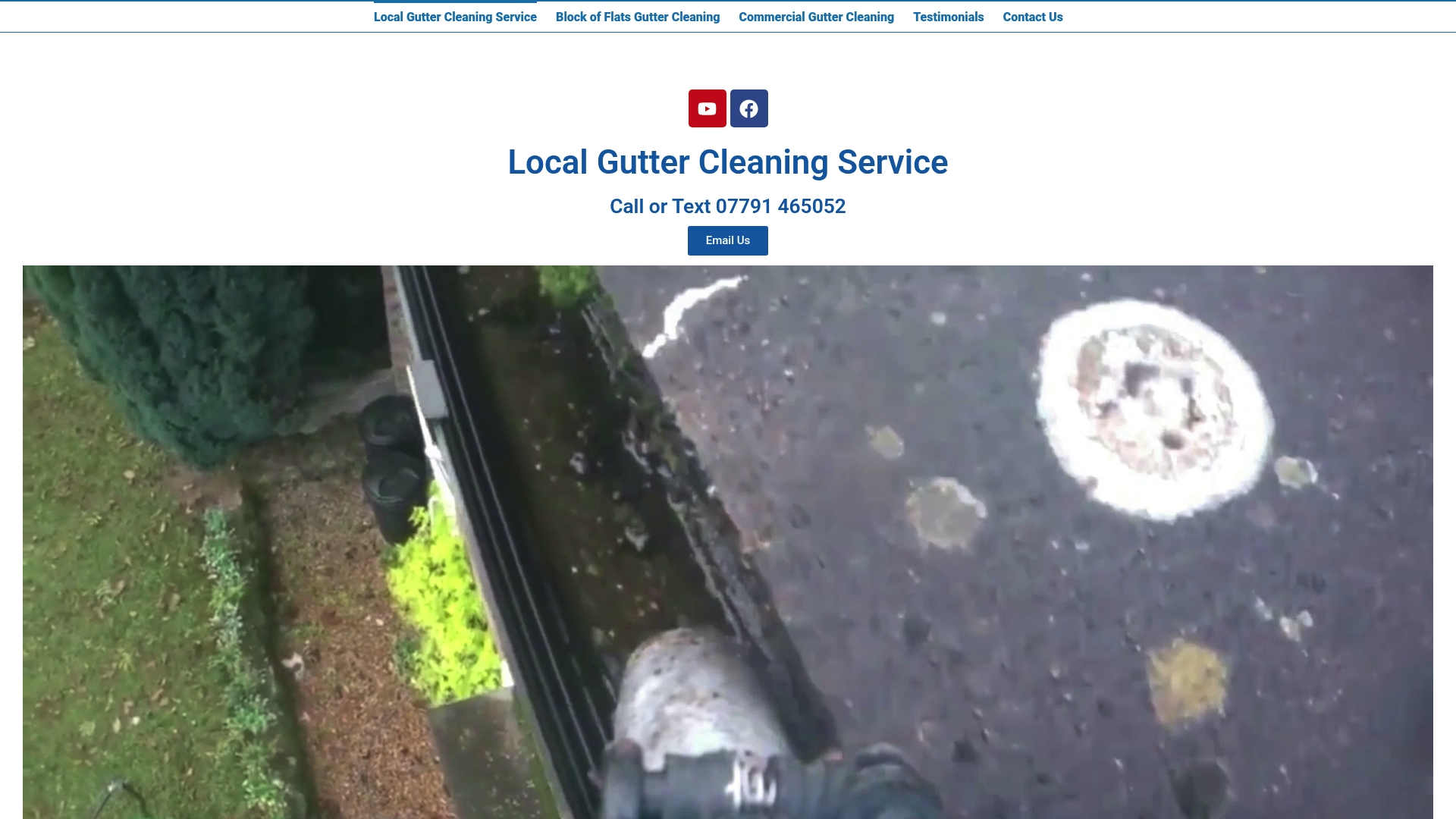
Do not wait for minor issues to escalate into major expenses. Visit Local Gutter Cleaner today for a comprehensive gutter maintenance plan tailored to your building’s unique needs. Trust our experienced team to help you avoid common mistakes such as incorrect sizing or improper drainage slopes by providing detailed assessments and reliable restoration solutions. Protect your investment now and experience peace of mind with professional care.
Frequently Asked Questions
What is gutter restoration?
Gutter restoration is a comprehensive maintenance process that involves repairing and maintaining drainage systems to protect buildings from water-related damage. It helps prevent issues such as water ingress, mould growth, and structural decay.
Why is gutter maintenance important for urban buildings?
Proper gutter maintenance is essential for urban buildings as it prevents potential water damage to foundations, walls, and interiors. Neglected gutters can lead to costly repairs and an increased risk of mould and deterioration.
What materials are commonly used for gutters in multi-unit buildings?
Common gutter materials include cast iron, aluminium, galvanised steel, copper, and PVC. Each material has its own characteristics, offering various levels of durability and maintenance requirements suitable for different architectural needs.
How often should professional gutter inspections be scheduled?
It is recommended to schedule professional gutter inspections twice annually to identify potential issues before they escalate into major and costly repairs.