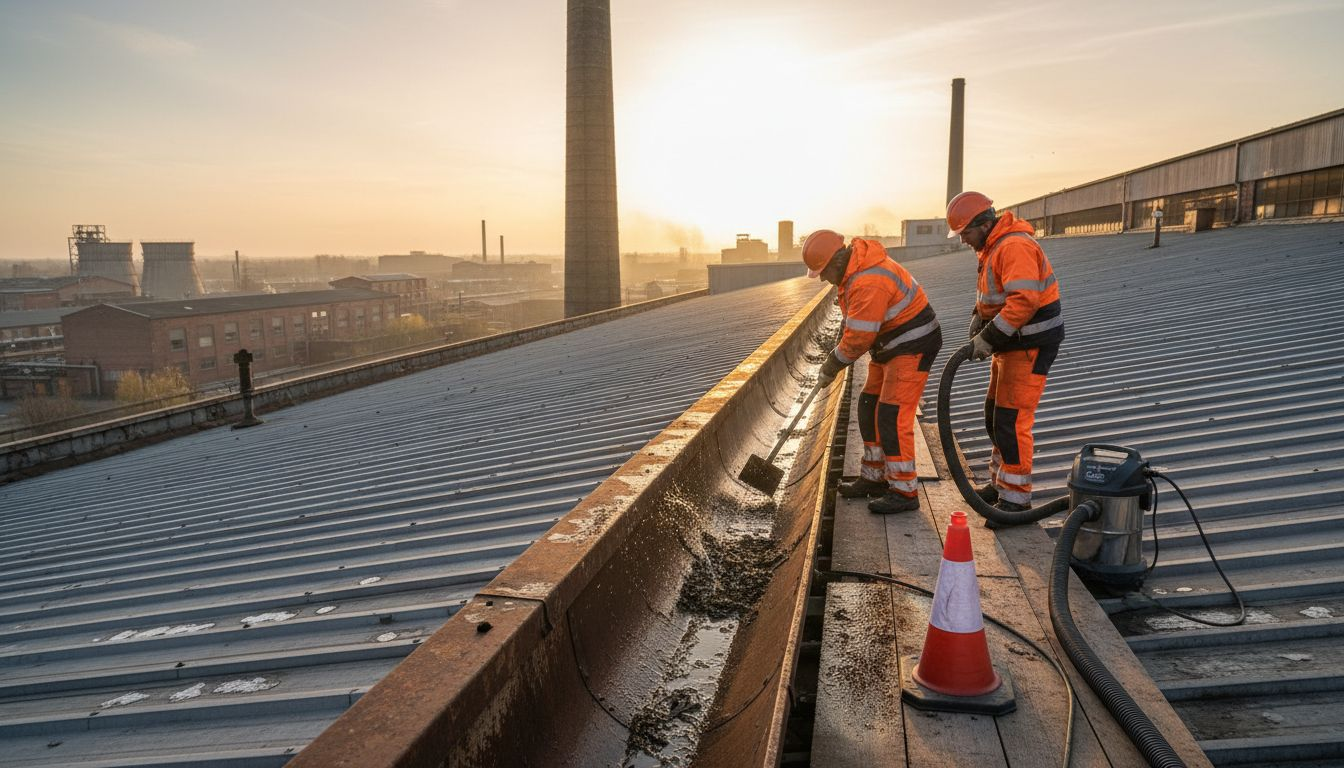
Blocked gutters cause over 60 percent of drainage failures in british industrial buildings each year. Facility managers know that one overlooked gutter can lead to costly water damage, safety hazards, and legal headaches. Understanding industrial gutter cleaning systems means gaining the knowledge to safeguard infrastructure against disruption. This guide covers proven approaches and technologies that keep british properties protected and compliant.
Table of Contents
- Defining Industrial Gutter Cleaning Systems
- Types of Industrial Gutters and Cleaning Methods
- How Professional Cleaning Safeguards Buildings
- Legal Requirements and Safety Standards in the UK
- Costs, Risks, and Common Mistakes to Avoid
Key Takeaways
| Point | Details |
|---|---|
| Importance of Industrial Gutter Systems | These systems protect critical infrastructure from water damage by managing substantial water flows and preventing blockages. |
| Sophisticated Cleaning Methods | Utilise advanced techniques such as robotic cleaning and automated debris removal to enhance efficiency and reduce safety risks. |
| Regulatory Compliance | Adhering to UK health and safety regulations is essential for ensuring workplace protection and maintaining operational integrity. |
| Proactive Maintenance Strategies | Regular inspections and detailed documentation are vital for early detection of potential issues, preventing costly repairs and ensuring long-term performance. |
Defining Industrial Gutter Cleaning Systems
Industrial gutter cleaning systems represent sophisticated drainage management solutions designed to protect complex industrial infrastructure from water damage and structural deterioration. These specialised systems go far beyond traditional residential gutter maintenance, incorporating advanced technological approaches to managing water flow and debris removal in large-scale commercial and industrial environments.
At their core, industrial gutter cleaning systems are engineered to handle significant water volumes while preventing blockages and potential structural damage. Rain gutters serve as critical components of building water discharge systems, channelling rainwater safely away from critical infrastructure and preventing potential moisture-related risks. Unlike residential systems, industrial variants must accommodate higher water throughput, more complex architectural designs, and more stringent performance requirements.
Modern industrial gutter cleaning systems typically incorporate several key technological features:
- Automated debris removal mechanisms
- High-capacity water flow management
- Corrosion-resistant materials like stainless steel or specialized alloys
- Integrated filtration and screening technologies
- Modular design allowing for customised configurations
These systems often integrate automatic drainage cleaning technologies that mechanically remove solid waste while maintaining continuous fluid flow, significantly reducing manual labour risks and improving overall operational efficiency.
Pro tip: When selecting an industrial gutter cleaning system, prioritise scalability and material durability to ensure long-term performance and minimal maintenance requirements.
Types of Industrial Gutters and Cleaning Methods
Industrial gutters represent a complex ecosystem of drainage solutions engineered to manage substantial water volumes across diverse architectural environments. Rain gutters encompass multiple design configurations, ranging from traditional hung systems to sophisticated integrated architectural drainage frameworks that protect critical infrastructure from moisture-related risks.
The primary classifications of industrial gutters include:
- Eaves Gutters: External drainage systems mounted along building perimeters
- Valley Gutters: Specialised channels designed for roof intersection points
- Parapet Gutters: Integrated systems within raised wall structures
- Box Gutters: Enclosed drainage channels with high water handling capacities
Material selection plays a crucial role in industrial gutter performance. Gutter design principles vary significantly based on material characteristics, with options ranging from traditional metals like cast iron and lead to modern alternatives such as aluminum, galvanised steel, UPVC, and copper. Each material presents unique maintenance requirements and durability profiles.
Cleaning methodologies for industrial gutters are equally sophisticated, involving specialized techniques that go beyond residential approaches. Typical cleaning strategies include mechanical debris removal, high-pressure water flushing, robotic cleaning systems, and advanced filtration technologies. Professional industrial gutter cleaning services employ comprehensive approaches that assess structural integrity, remove potential blockages, and implement preventative maintenance protocols.
Here is a comparison of industrial gutter types and their optimal cleaning approaches:
| Gutter Type | Ideal Cleaning Method | Key Operational Benefit |
|---|---|---|
| Eaves Gutters | High-pressure water jet | Removes external roof debris |
| Valley Gutters | Robotic cleaning units | Targets hidden intersection clogs |
| Parapet Gutters | Manual inspection tools | Maintains concealed channels |
| Box Gutters | Automated debris removal | Handles major water flow |
Pro tip: Conduct quarterly comprehensive inspections of industrial gutter systems to identify potential structural weaknesses and prevent costly water damage interventions.
How Professional Cleaning Safeguards Buildings
Professional gutter cleaning plays a critical role in protecting industrial and commercial buildings from potentially catastrophic water damage and structural deterioration. Professional cleaning services operate under stringent health and safety regulations that ensure comprehensive protection of both building infrastructure and workplace safety standards.
The core safeguarding strategies employed by professional cleaning teams include:
- Comprehensive risk assessment protocols
- Advanced diagnostic technologies for identifying structural vulnerabilities
- Systematic debris and blockage removal techniques
- Preventative maintenance documentation
- Specialised equipment designed for industrial drainage systems
Health and Safety Executive guidelines emphasize the importance of rigorous risk management in professional cleaning operations. These protocols specifically target potential hazards such as working at height, chemical exposure, slip risks, and structural integrity assessments. Professional teams undergo extensive training to mitigate these risks while maintaining the highest standards of cleaning efficiency.
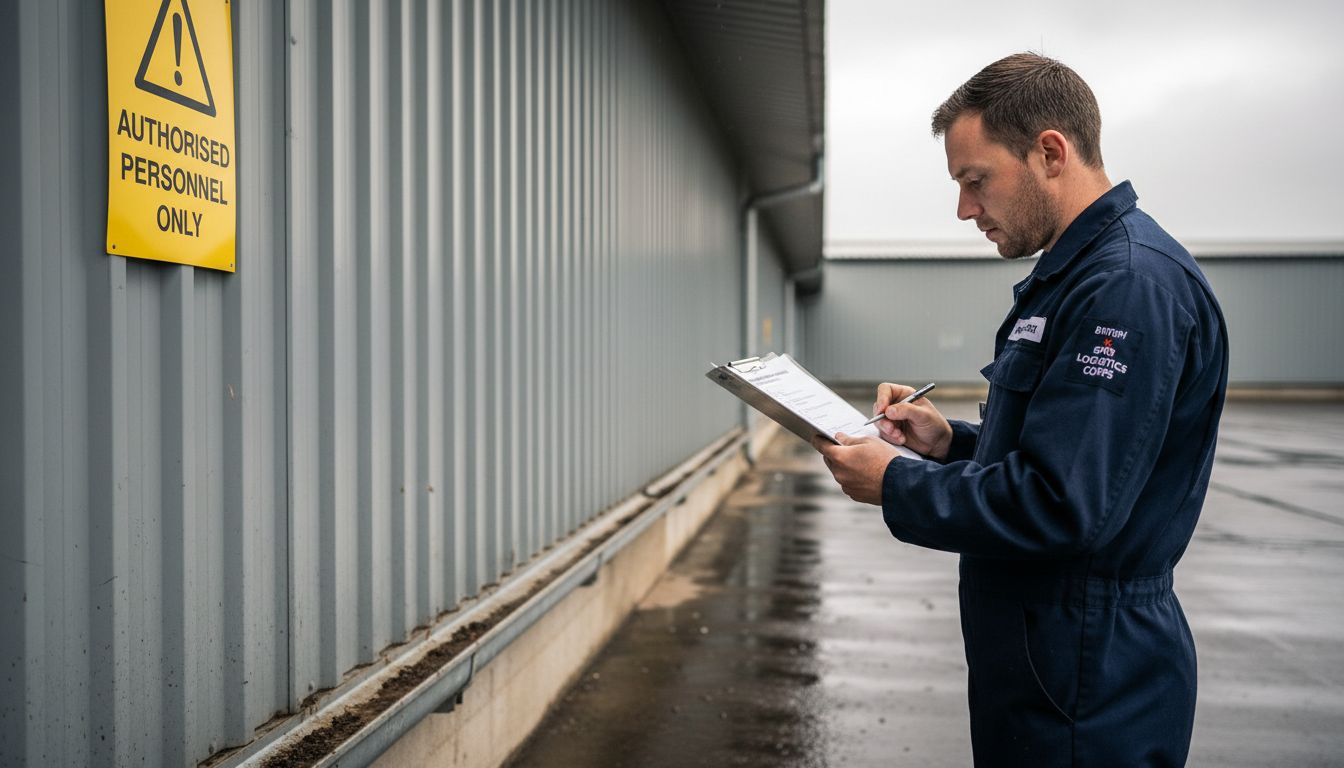
Beyond immediate cleaning requirements, professional gutter maintenance services provide long-term building protection by identifying early warning signs of potential structural issues. By conducting detailed inspections, they can detect minor problems before they escalate into major structural challenges, potentially saving building owners significant repair and maintenance expenses.
Pro tip: Schedule annual professional gutter cleaning assessments to proactively identify and address potential drainage vulnerabilities before they become costly structural problems.
Legal Requirements and Safety Standards in the UK
Industrial gutter cleaning in the United Kingdom is governed by a comprehensive framework of health and safety regulations that mandate rigorous standards for workplace protection and operational integrity. The UK cleaning industry must adhere to specific legal requirements regardless of business scale, ensuring systematic risk management and worker safety across all industrial environments.
Key regulatory frameworks governing industrial cleaning practices include:
- Health and Safety at Work Act 1974: Foundational legislation establishing employer responsibilities
- Control of Substances Hazardous to Health (COSHH) Regulations: Chemical handling and exposure protocols
- Work at Height Regulations: Safety standards for elevated cleaning operations
- Workplace (Health, Safety and Welfare) Regulations 1992: Comprehensive workplace maintenance requirements
Specific workplace regulations mandate precise standards for cleanliness and infrastructure maintenance, with particular emphasis on drainage systems and waste management. These legal requirements compel organisations to implement systematic cleaning protocols, conduct regular risk assessments, and maintain comprehensive documentation of maintenance activities. Industrial facilities must demonstrate proactive approaches to potential hazards, including structural vulnerabilities, potential water damage, and environmental contamination risks.
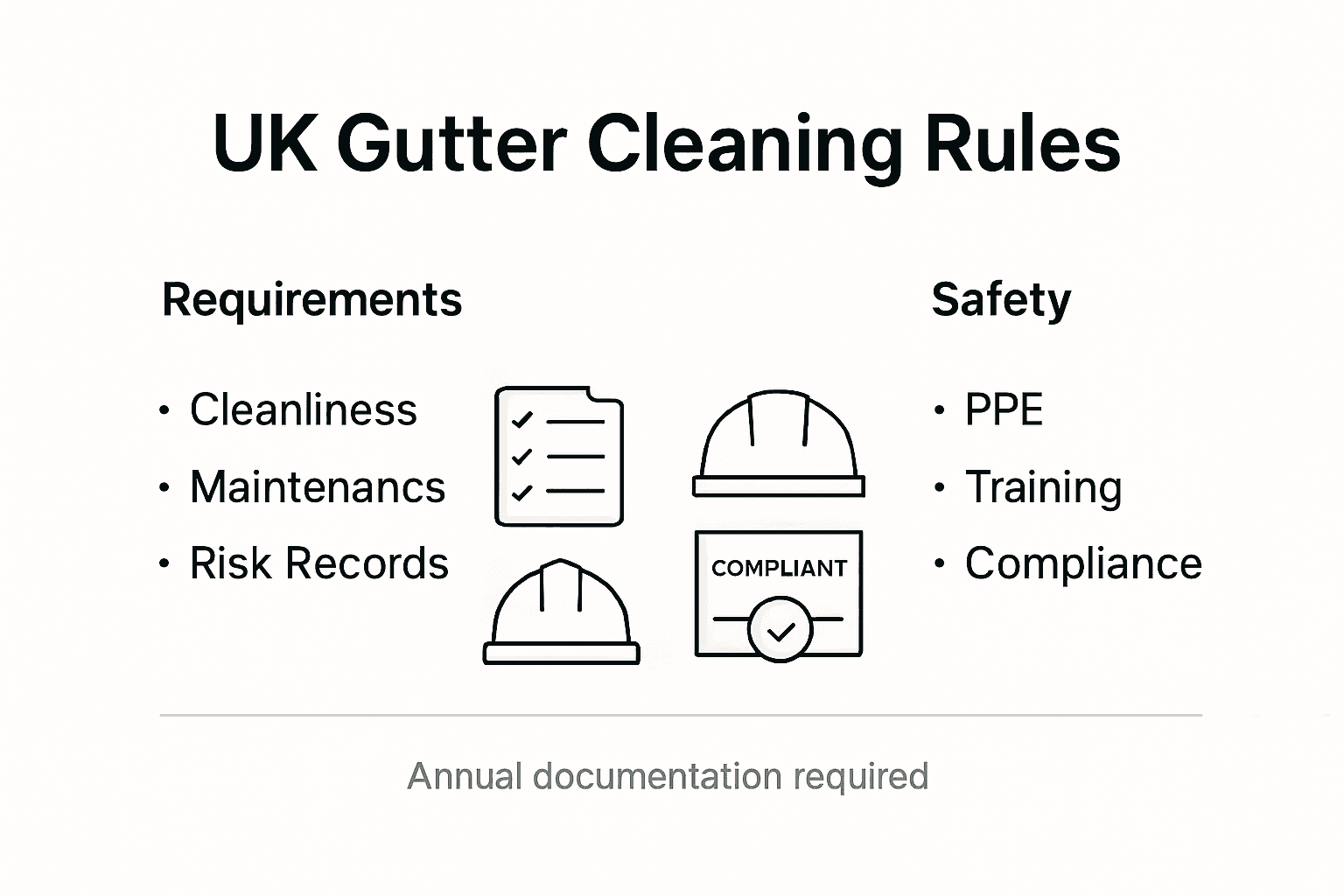
Compliance involves more than mere procedural adherence; it represents a holistic approach to workplace safety that integrates technical expertise, legal understanding, and preventative maintenance strategies. Professional cleaning services must continuously train personnel, invest in appropriate safety equipment, and develop robust risk management protocols that exceed minimal regulatory requirements.
Pro tip: Maintain a comprehensive compliance portfolio documenting all gutter cleaning activities, risk assessments, and safety protocols to demonstrate regulatory adherence and protect organisational interests.
Costs, Risks, and Common Mistakes to Avoid
Industrial gutter cleaning involves complex financial and operational considerations that extend far beyond simple maintenance tasks. Comprehensive risk assessment remains crucial for identifying potential workplace hazards and preventing expensive operational disruptions that could significantly impact organisational budgets.
Common mistakes in industrial gutter cleaning that escalate costs include:
- Inadequate Initial Assessment: Failing to conduct thorough structural evaluations
- Poor Equipment Selection: Using inappropriate cleaning tools for specific gutter systems
- Inconsistent Maintenance Schedules: Neglecting regular preventative inspections
- Insufficient Staff Training: Deploying personnel without proper safety certifications
- Incomplete Documentation: Not maintaining comprehensive maintenance records
Risk management in cleaning operations requires meticulous attention to safety protocols and potential liability issues, with financial implications extending well beyond immediate cleaning expenses. Organisations must consider potential costs associated with water damage, structural deterioration, potential workplace accidents, and regulatory non-compliance penalties.
Effective cost management in industrial gutter cleaning demands a proactive approach that balances immediate maintenance expenses with long-term infrastructure preservation. This involves investing in high-quality equipment, maintaining rigorous staff training programmes, and developing comprehensive risk mitigation strategies that anticipate potential structural and operational challenges.
The table below summarises potential risks, their consequences, and best mitigation strategies for industrial gutter maintenance:
| Risk | Possible Consequence | Best Prevention Step |
|---|---|---|
| Infrequent inspections | Water ingress, hidden damage | Schedule quarterly review |
| Improper equipment | Ineffective cleaning, damage | Train staff on equipment use |
| Incomplete records | Compliance issues, fines | Maintain detailed documentation |
| Untrained personnel | Increased accident likelihood | Provide certified safety training |
Pro tip: Implement a standardised risk assessment template and conduct quarterly comprehensive reviews to identify potential vulnerabilities before they transform into expensive structural problems.
Protect Your Industrial Gutters with Trusted Local Experts
Industrial gutter systems face unique challenges like heavy water volumes, debris buildup, and complex structural designs that demand specialised cleaning and maintenance. Ignoring these factors risks costly water damage, structural deterioration, and non-compliance with UK Health and Safety regulations. At Local Gutter Cleaner, we understand the critical importance of thorough inspections, professional debris removal, and durable cleaning solutions tailored to industrial environments.
Do not wait for unseen blockages or structural vulnerabilities to cause serious problems. Act now to safeguard your facility with expert industrial gutter cleaning services that prioritise safety and compliance. Visit Local Gutter Cleaner today to request your free quote and secure proactive maintenance designed to protect your investment and maintain optimal drainage performance.
Frequently Asked Questions
What are industrial gutter cleaning systems?
Industrial gutter cleaning systems are advanced solutions designed to manage water flow and debris removal across large-scale commercial and industrial environments, protecting infrastructure from water damage and structural deterioration.
What types of industrial gutters are there?
Key types of industrial gutters include eaves gutters, valley gutters, parapet gutters, and box gutters, each serving different architectural purposes and water handling capacities.
How often should industrial gutters be cleaned?
It is recommended to conduct at least quarterly inspections and cleaning of industrial gutters to prevent blockages and structural issues, while annual professional assessments can identify potential vulnerabilities.
What are the legal requirements for industrial gutter cleaning?
Legal requirements in the UK include adhering to the Health and Safety at Work Act, the Control of Substances Hazardous to Health (COSHH) regulations, and the Work at Height Regulations, which ensure workplace protection and operational integrity.




Leave A Comment