
Managing blocks of flats and commercial buildings means protecting your investment from preventable damage. Neglected gutters cause water ingress, structural deterioration, and costly emergency repairs that erode property value and tenant satisfaction. Finding reliable gutter cleaning professionals requires careful vetting, clear communication, and ongoing management to ensure your buildings remain protected year-round. This guide walks you through assessing your property’s specific needs, evaluating contractors thoroughly, executing effective maintenance contracts, and avoiding common hiring mistakes that lead to substandard service.
Table of Contents
- Understanding Your Property’s Gutter Cleaning Needs
- Preparing To Hire: What To Look For In Gutter Cleaning Services
- Step-By-Step Hiring And Management Process For Gutter Cleaning
- Common Pitfalls And Verification To Ensure Reliable Service
- Why Choose Specialist Gutter Cleaning Services For Your Properties
Key takeaways
| Point | Details |
|---|---|
| Assess property needs first | Identify gutter types, cleaning frequency requirements, and safety considerations before approaching contractors. |
| Verify credentials thoroughly | Check insurance, certifications, references, and experience with multi-unit buildings to avoid unqualified providers. |
| Implement structured hiring | Follow a step-by-step process from quotes through scheduling, supervision, and documentation for accountability. |
| Avoid common pitfalls | Never accept lowest bids without vetting, always inspect completed work, and maintain proactive maintenance schedules. |
| Choose specialist services | Partner with contractors experienced in blocks of flats and commercial properties for reliable, tailored solutions. |
Understanding your property’s gutter cleaning needs
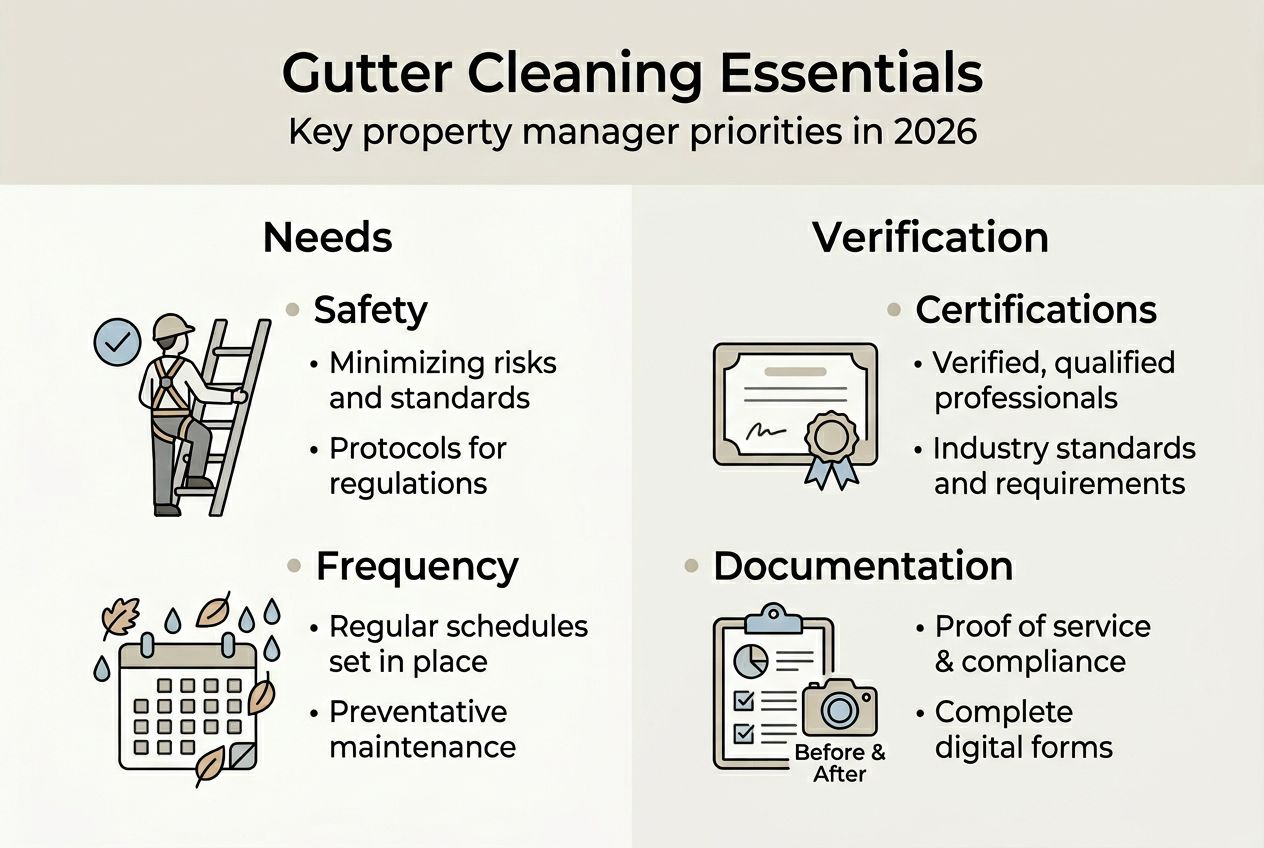
Before contacting any contractor, you need a clear picture of what your property demands. Different building types present unique challenges that affect service requirements and costs. High-rise blocks require specialised access equipment and safety protocols that ground-level commercial units do not. The gutter systems themselves vary widely, from traditional cast iron to modern uPVC, each with different maintenance needs and vulnerability to blockage.
Location dramatically influences cleaning frequency. Properties surrounded by mature trees accumulate leaves, twigs, and organic debris far more rapidly than buildings in urban centres with minimal foliage. Coastal properties face additional challenges from salt deposits and wind-blown sand that accelerate corrosion and blockage. Weather patterns matter too, as areas experiencing heavy rainfall or frequent storms require more vigilant monitoring to prevent overflow and water damage. Regular inspections and cleaning prevent costly water damage and structural issues, making frequency assessment essential.
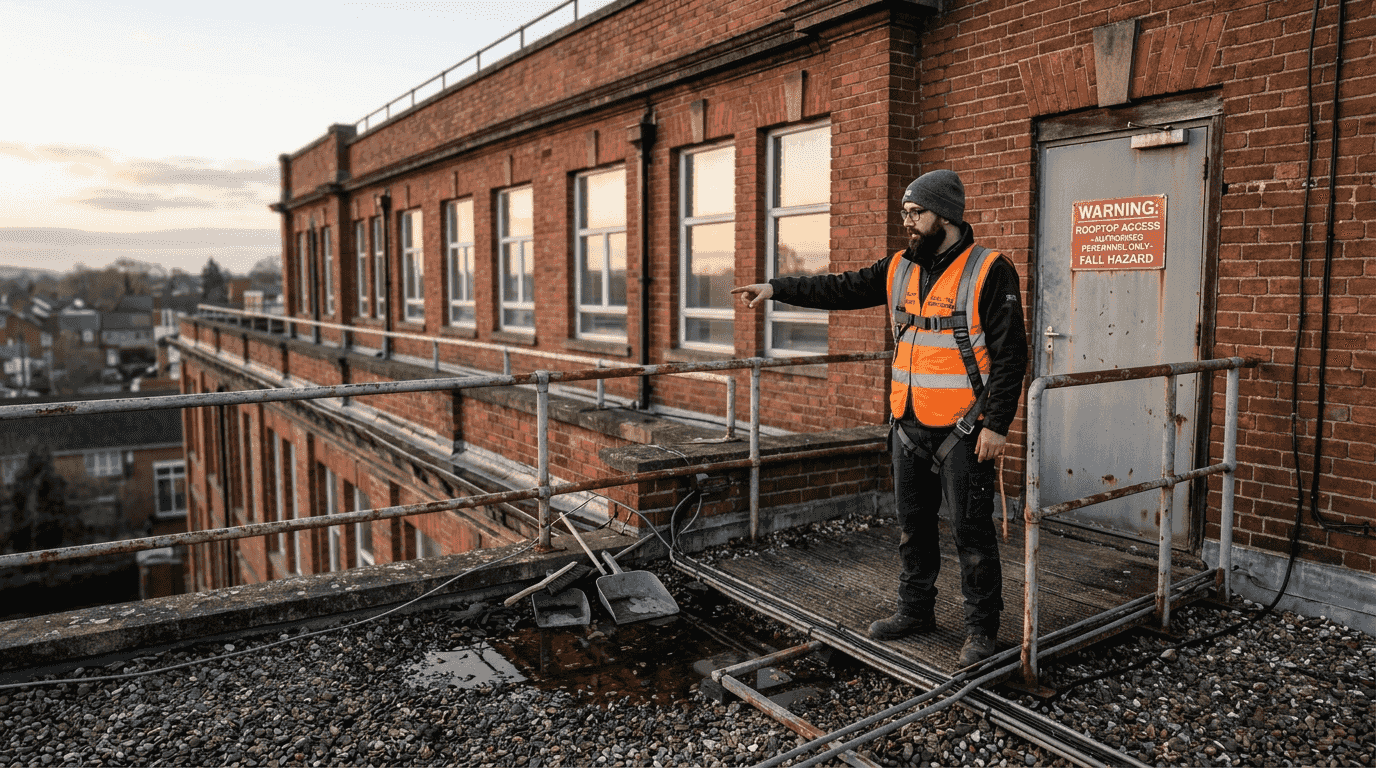
Safety considerations become paramount with multi-storey buildings. Working at height introduces significant risks that demand proper equipment, training, and insurance coverage. You must verify contractors have appropriate safety certifications and follow Health and Safety Executive guidelines for working at elevated positions. Legal and insurance requirements extend beyond worker safety to protect your property and liability exposure. Contractors must carry comprehensive public liability insurance, and you should confirm coverage amounts match your property’s risk profile.
Pro Tip: Create a property profile documenting gutter types, lengths, access points, surrounding vegetation, and historical blockage patterns before requesting quotes. This information helps contractors provide accurate estimates and demonstrates your professionalism, encouraging serious providers to engage whilst deterring chancers looking for easy jobs.
Understanding why gutters need checks helps you communicate requirements clearly and evaluate whether contractors grasp the complexities your property presents. Document any previous issues like overflow points, damaged sections, or areas prone to ice formation during winter months.
Preparing to hire: what to look for in gutter cleaning services
With your property needs documented, focus shifts to identifying contractors capable of meeting those requirements reliably. Insurance verification sits at the top of your checklist. Every contractor must carry current public liability insurance covering at least £5 million for commercial work, with employers’ liability insurance if they employ staff. Request certificates directly from insurers rather than accepting photocopies, as fraudulent documents circulate widely in the trades.
Certifications and training credentials separate professional operators from casual workers. Look for qualifications in working at height, use of mobile elevated work platforms, and industry-specific training from recognised bodies. Property managers should verify qualifications, insurance, and client references before hiring to protect against liability and ensure quality outcomes. Experience with similar properties matters enormously, as techniques effective for terraced houses fail spectacularly on six-storey apartment blocks.
When evaluating potential contractors, follow this verification sequence:
- Request detailed company information including registration numbers, trading history, and principal contact details
- Verify insurance certificates directly with underwriters using policy numbers provided
- Check online reviews across multiple platforms, looking for patterns in feedback rather than isolated complaints
- Contact at least three previous clients managing similar property types to discuss service quality and reliability
- Confirm the specific equipment and methods contractors use for buildings matching your property’s characteristics
Scope of service varies dramatically between providers. Some offer basic debris removal whilst others include downpipe flushing, minor repairs, and detailed reporting with photographic evidence. Clarify exactly what standard service includes and what incurs additional charges. Safety procedures deserve detailed discussion, particularly regarding site access, working hours that minimise tenant disruption, and protocols for discovering damage during cleaning.
Pro Tip: During initial conversations, ask contractors to describe challenges they anticipate with your specific property. Experienced professionals immediately identify potential access issues, safety concerns, or complications based on building design. Vague responses or dismissive attitudes towards your questions signal inexperience or lack of genuine interest in your contract.
The effective gutter cleaning service selection process takes time but prevents costly mistakes. Rushing this stage to save a few hours inevitably leads to service failures, safety incidents, or contractual disputes that consume far more time resolving.

Step-by-step hiring and management process for gutter cleaning
Executing the hiring process methodically ensures you secure reliable service at fair prices. Begin by soliciting detailed written quotes from at least three qualified contractors. Quotes should itemise all work elements including access equipment hire, disposal fees, and any preparatory or finishing tasks. Comparing quotes fairly means evaluating total value rather than focusing solely on headline prices. The cheapest quote often excludes essential elements or comes from inexperienced operators who underestimate job complexity.
Scheduling strategy significantly impacts service effectiveness and cost efficiency. Plan cleanings seasonally to address predictable debris accumulation patterns:
- Spring cleaning removes winter storm debris and prepares systems for heavy rainfall periods
- Autumn cleaning tackles leaf fall before winter weather compounds blockages
- Additional visits after severe weather events prevent overflow and water damage
- Schedule work during dry periods when access is safer and debris removal easier
Contract terms should specify service frequency, response times for emergency calls, and clear performance standards. Following a structured workflow ensures safe and thorough gutter cleaning results whilst providing accountability mechanisms if service falls short. Include provisions for work verification, payment terms tied to satisfactory completion, and procedures for addressing deficiencies or damage claims.
Supervision requirements depend on property complexity and contractor familiarity. Initial services warrant closer oversight to confirm contractors follow agreed procedures and deliver promised standards. Establish clear communication channels so site staff or building managers can raise concerns immediately rather than discovering problems after contractors leave. Request progress updates for large jobs spanning multiple days, ensuring work remains on schedule and any complications get addressed promptly.
| Documentation Element | Purpose | Retention Period |
|---|---|---|
| Service completion certificates | Proves work occurred on specified dates | 3 years minimum |
| Before and after photographs | Visual evidence of work quality and property condition | Indefinite |
| Debris removal receipts | Confirms proper waste disposal compliance | 2 years |
| Incident or damage reports | Records any issues for insurance or dispute resolution | 6 years |
Maintenance schedules should integrate gutter cleaning into broader property management calendars. Coordinate with roof inspections, external decoration programmes, and other maintenance activities to maximise efficiency and minimise access equipment costs. Digital scheduling tools help track service history, flag upcoming appointments, and maintain contractor performance records that inform future hiring decisions.
Pro Tip: Photograph your gutters immediately after professional cleaning and store images with service dates. These baseline images prove invaluable when evaluating whether subsequent blockages result from normal accumulation or indicate service quality problems requiring contractor accountability.
The step-by-step gutter maintenance approach transforms reactive emergency repairs into predictable, budgetable maintenance that protects property value whilst controlling costs.
Common pitfalls and verification to ensure reliable service
Property managers repeatedly make preventable mistakes when hiring gutter cleaning services. Accepting the lowest bid without thorough vetting tops the list. Unqualified contractors underbid to secure work, then cut corners on safety, thoroughness, or proper debris disposal. You save money initially but pay multiples more addressing water damage from inadequate cleaning or dealing with safety incidents and liability claims.
Failure to verify insurance and references creates enormous risk exposure. Contractors working without valid insurance leave you liable for injuries, property damage, or third-party claims. Many hiring errors by property managers lead to inadequate cleaning and costly repairs that could have been prevented through basic due diligence. Reference checks reveal patterns of poor communication, missed appointments, or substandard work that contractors conceal during sales conversations.
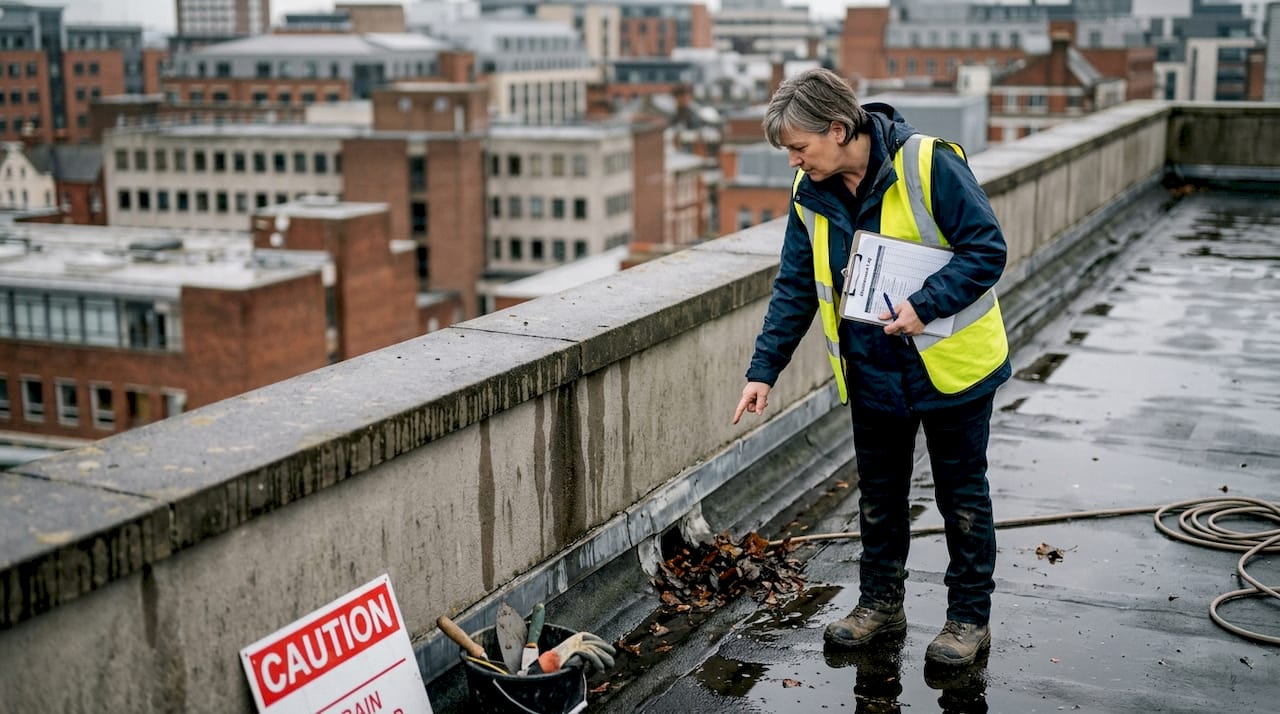
Post-service inspection failures allow contractors to claim completion whilst leaving gutters partially blocked or damaged. Without verification, you pay for incomplete work and face continued water damage risks. Implement mandatory inspection protocols before releasing final payment, using photographic evidence to document thoroughness.
The distinction between reactive and proactive maintenance contracts fundamentally affects outcomes and costs:
- Reactive approach: Emergency calls when blockages cause visible problems, resulting in premium pricing, water damage, and tenant complaints
- Proactive approach: Scheduled maintenance preventing blockages before they cause damage, with predictable costs and minimal disruption
Reactive maintenance typically costs 40% more annually when factoring emergency callout premiums and water damage repairs. Proactive contracts provide budget certainty and protect property condition through prevention rather than crisis management.
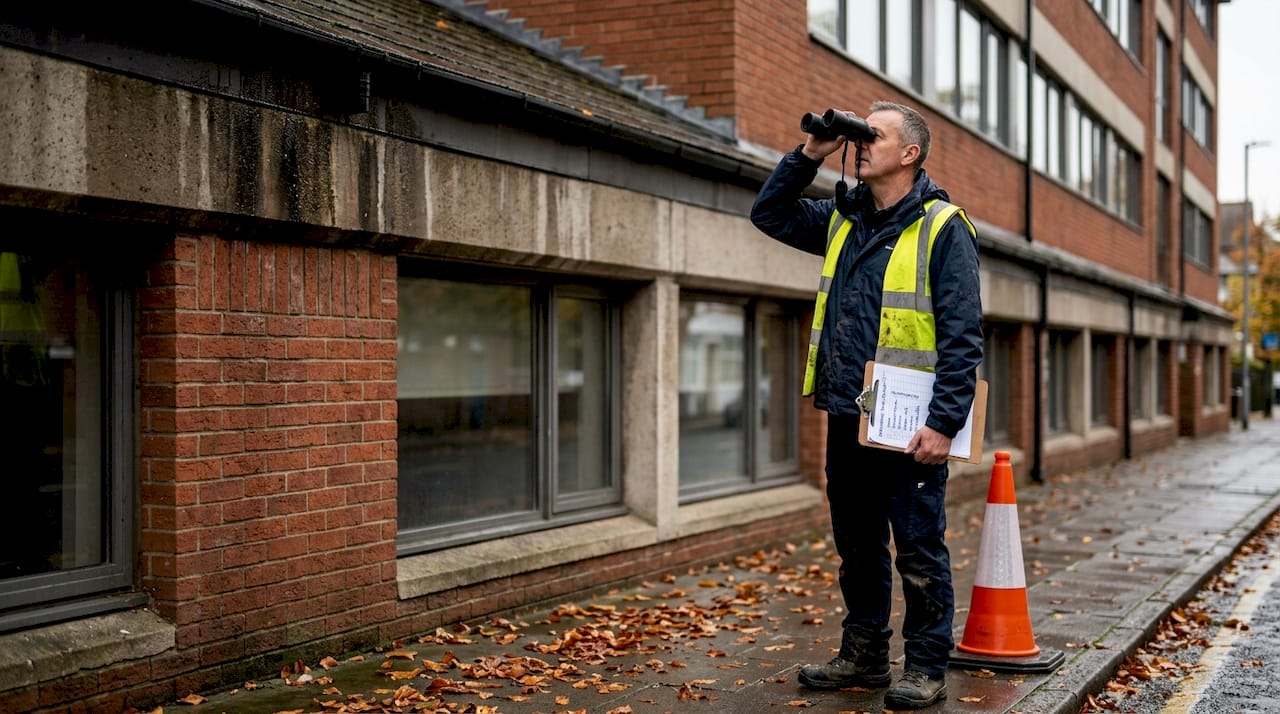
Verification best practices include requiring contractors to provide photographic evidence of completed work from multiple angles showing debris removal and clear water flow. Conduct site walk-throughs focusing on historical problem areas and checking downpipes flush properly. For high-rise buildings where visual inspection proves difficult, request drone footage or elevated photography documenting gutter condition.
“The difference between adequate and excellent gutter maintenance lies not in the cleaning itself but in the verification systems ensuring work meets specifications consistently. Property managers who implement rigorous inspection protocols report 60% fewer water damage incidents and significantly longer gutter system lifespans.”
Common gutter cleaning mistakes include accepting verbal quotes without written confirmation, failing to clarify disposal responsibilities, and neglecting to establish clear communication channels for reporting issues discovered during cleaning. Each oversight creates potential disputes and service failures that damage property and professional relationships.
Pro Tip: Develop a simple post-service checklist covering key verification points like downpipe flow testing, debris removal confirmation, and damage reporting. Have contractors sign off acknowledging completion to standard before processing payment, creating accountability and reducing disputes.
Why choose specialist gutter cleaning services for your properties
Managing blocks of flats and commercial buildings demands contractors who understand the unique challenges multi-unit properties present. Specialist gutter cleaning for blocks of flats services bring dedicated expertise in access solutions, tenant liaison, and systems designed for larger buildings that general maintenance providers lack. Local Gutter Cleaner focuses exclusively on property managers and letting agencies, delivering comprehensive inspections, flexible scheduling around tenant needs, and competitive pricing structures for ongoing maintenance contracts.
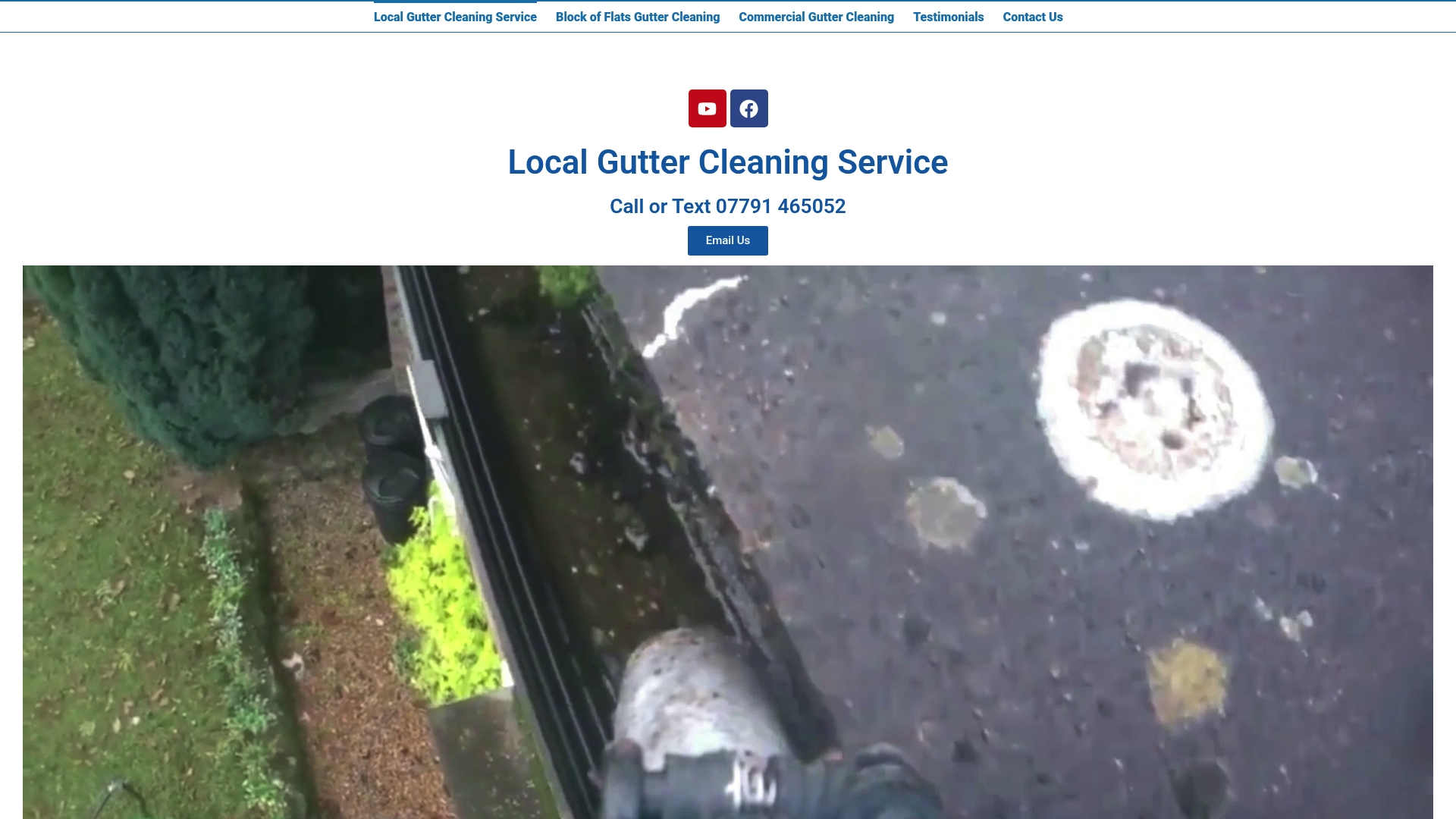
Our proven track record protecting building value comes from understanding that gutter maintenance directly impacts property condition, insurance premiums, and tenant satisfaction. We provide detailed reporting with photographic evidence, proactive identification of developing issues, and responsive service tailored to property manager requirements. Understanding the commercial property cleaning benefits helps you appreciate how specialist services deliver value beyond basic debris removal. Our Greenwich gutter cleaning service demonstrates our commitment to local property managers seeking reliable, professional maintenance partnerships.
FAQ
What qualifications should gutter cleaning professionals have?
Look for certifications in safe use of equipment including working at height qualifications and mobile elevated work platform licences from recognised training providers. Full insurance coverage is essential, specifically public liability insurance of at least £5 million and employers’ liability if they employ staff. Experience with large or commercial properties proves particularly beneficial, as techniques and equipment requirements differ substantially from residential work. Request evidence of industry training and membership in professional trade associations that maintain standards.
How often should gutters be cleaned on blocks of flats?
Minimum twice yearly cleaning suits most blocks of flats, typically scheduled for spring and autumn to address seasonal debris patterns. Seasonal cleaning, at least twice yearly, is ideal to reduce blockage and damage risk whilst maintaining optimal drainage performance. Properties surrounded by heavy vegetation require additional cleaning after significant leaf fall or following severe storms that deposit debris rapidly. High-rise buildings in exposed locations may need quarterly inspections to catch developing blockages before they cause overflow.
What are the costs involved in professional gutter cleaning?
Costs vary significantly based on property size, access complexity, and gutter system length, with pricing typically structured per metre of guttering or per visit for smaller properties. Blocks of flats generally incur higher costs due to access equipment requirements and safety protocols for working at height. Request detailed written quotes itemising all cost elements including access equipment, disposal fees, and any additional services like minor repairs or downpipe flushing. Compare quotes fairly by evaluating total value rather than headline prices alone. The typical gutter cleaning costs Greenwich area demonstrates how location and property characteristics influence pricing.
How can property managers verify cleaning work quality?
Request comprehensive before and after photographs from multiple angles showing debris removal and clear water flow through downpipes. Obtain detailed inspection reports documenting work completed, any damage discovered, and recommendations for repairs or system improvements. Conduct site walk-throughs after service completion, testing downpipe flow and checking historical problem areas receive proper attention. Maintain organised records including photographs, service certificates, and contractor sign-offs acknowledging work completed to specification, creating accountability and supporting future maintenance planning.


Leave A Comment