
Leaking gutters and pooling water can turn even the most modern building into a costly headache. For property managers in major cities from London to Singapore, routine gutter cleaning is far more than a simple task. Regular inspections and scheduled maintenance not only protect structural integrity but also help prevent unexpected service calls and expensive repairs. This guide outlines practical, step-by-step methods designed to help property professionals safeguard their assets and keep every building running smoothly.
Table of Contents
- Step 1: Assess Building And Gutter System Needs
- Step 2: Schedule Optimal Cleaning Intervals
- Step 3: Select Professional Gutter Cleaning Services
- Step 4: Organise Pre-Cleaning Site Preparations
- Step 5: Verify Cleaning Quality And Document Results
Quick Summary
| Important Insight | Explanation |
|---|---|
| 1. Conduct a thorough gutter assessment | Perform a visual inspection of all gutters, noting material, condition, and potential water damage risks. |
| 2. Schedule gutter cleaning strategically | Establish a cleaning timeline based on local weather, gutter condition, and environmental factors to prevent blockages. |
| 3. Choose professional service providers wisely | Select trained and insured gutter cleaning services to ensure proper maintenance and minimise long-term costs. |
| 4. Prepare the site meticulously before cleaning | Ensure clear access, notify occupants, and verify equipment readiness to facilitate a safe and efficient cleaning process. |
| 5. Verify and document cleaning outcomes | Confirm cleaning effectiveness with photos and reports, maintaining an accurate record of conditions and maintenance performed. |
Step 1: Assess Building and Gutter System Needs
Effective property management requires a systematic approach to gutter maintenance, starting with a comprehensive initial assessment of your building’s unique requirements. Understanding the specific characteristics of your gutter system is crucial for developing a targeted cleaning and maintenance strategy.
Begin by conducting a thorough visual inspection of the entire gutter network. Property managers should methodically examine each section, looking for key indicators of potential issues. Critical assessment points include:
- Gutter material and overall condition
- Evidence of rust, cracks, or structural damage
- Proper alignment and attachment to building structure
- Signs of water damage or overflow marks
Utilising professional gutter inspection techniques helps ensure a comprehensive evaluation. Professional inspectors recommend checking that guttering systems are adequately sized to prevent runoff, with downspouts directing water at least 4 to 6 feet away from the building’s foundation.
Proper gutter assessment prevents costly water damage and structural issues down the line.
Consider the specific characteristics of your gutter system, which may include different styles like K-style or U-style gutters. Each building presents unique challenges, so understanding your specific configuration is paramount. Factor in local rainfall patterns, roof design, and the building’s age when developing your maintenance approach.
Top Tip: Schedule your initial assessment during dry weather to get the most accurate view of gutter condition without active water flow interference.
Step 2: Schedule Optimal Cleaning Intervals
Developing a strategic gutter cleaning schedule is essential for property managers seeking to maintain building integrity and prevent water damage. Understanding the optimal frequency of gutter maintenance requires careful consideration of multiple environmental and structural factors.
Professional guidelines suggest systematic cleaning approaches that typically recommend biannual cleaning with additional targeted interventions. The cleaning schedule should account for several critical considerations:
- Local weather patterns and seasonal variations
- Surrounding vegetation and potential debris sources
- Building location and environmental exposure
- Age and condition of the gutter system
Municipal maintenance standards indicate that comprehensive system cleaning should occur approximately every five years, with annual inspections targeting 20 percent of the system to prevent debris accumulation and potential water quality issues.
Proactive scheduling prevents expensive structural repairs and maintains optimal building performance.
Property managers should develop a flexible cleaning strategy that adapts to specific building characteristics. This might involve more frequent cleanings in areas with heavy foliage or regions experiencing significant seasonal changes. Consider creating a customised maintenance calendar that tracks previous cleaning dates, identifies potential risk factors, and schedules proactive interventions.

Here is a summary of how environmental and building factors impact optimal gutter cleaning schedules:
| Factor | Impact on Cleaning Frequency | Recommended Action |
|---|---|---|
| Heavy surrounding vegetation | Increases cleaning needs | Schedule cleaning each season |
| Old guttering systems | Higher risk of issues | Add extra inspections annually |
| High rainfall regions | More frequent debris accumulation | Adapt cleaning to seasonal cycles |
| Urban pollution exposure | Faster clogging, sediment buildup | Consider quarterly cleaning |
| Recent roof repairs | Potential debris introduction | Schedule follow-up after work |
Top Tip: Develop a digital tracking system to monitor gutter cleaning intervals and maintain consistent maintenance records for each property in your portfolio.
Step 3: Select Professional Gutter Cleaning Services
Choosing the right professional gutter cleaning service is critical for maintaining your property’s structural integrity and preventing potential water damage. Property managers must conduct thorough research to ensure they select a reliable and competent service provider.
Credible service providers should demonstrate several key characteristics that indicate their professional competence:
- Verified business credentials and accreditations
- Comprehensive insurance coverage
- Positive customer reviews and testimonials
- Transparent pricing structures
- Safety equipment and professional training
- Environmentally responsible debris disposal
Professional home inspectors recommend selecting gutter cleaning experts who possess in-depth understanding of various gutter systems, can identify potential damage, and ensure proper water flow. Prioritise service providers who demonstrate technical expertise beyond simple cleaning, including the ability to diagnose and recommend repairs.
Selecting the right professional service prevents costly long-term property maintenance issues.
When evaluating potential gutter cleaning services, request detailed quotes, check references, and verify their professional qualifications. Compare multiple providers to ensure you receive comprehensive service that meets your specific property management needs.
Top Tip: Request proof of professional certification and insurance before finalising any gutter cleaning service contract.
The table below compares key attributes of professional vs in-house gutter cleaning services:
| Attribute | Professional Service | In-House Maintenance |
|---|---|---|
| Technical expertise | Specialist, trained professionals | General building staff |
| Insurance coverage | Comprehensive, fully insured | May lack specific cover |
| Equipment quality | Commercial-grade, well-maintained | Often basic, limited tools |
| Cost predictability | Transparent quotes, fixed pricing | Variable, hidden costs possible |
| Compliance standards | Adheres to industry regulations | Standards may be inconsistent |
Step 4: Organise Pre-Cleaning Site Preparations
Successful gutter cleaning begins with meticulous site preparation, ensuring a smooth, safe, and efficient process for property managers. Comprehensive pre-cleaning planning minimises potential disruptions and reduces safety risks during maintenance.
Effective cleaning preparations require strategic management and detailed coordination across multiple aspects:
- Clear access routes to gutter systems
- Notification of building occupants
- Removal of potential obstacles
- Verification of equipment readiness
- Safety equipment inspection
- Documentation of existing structural conditions
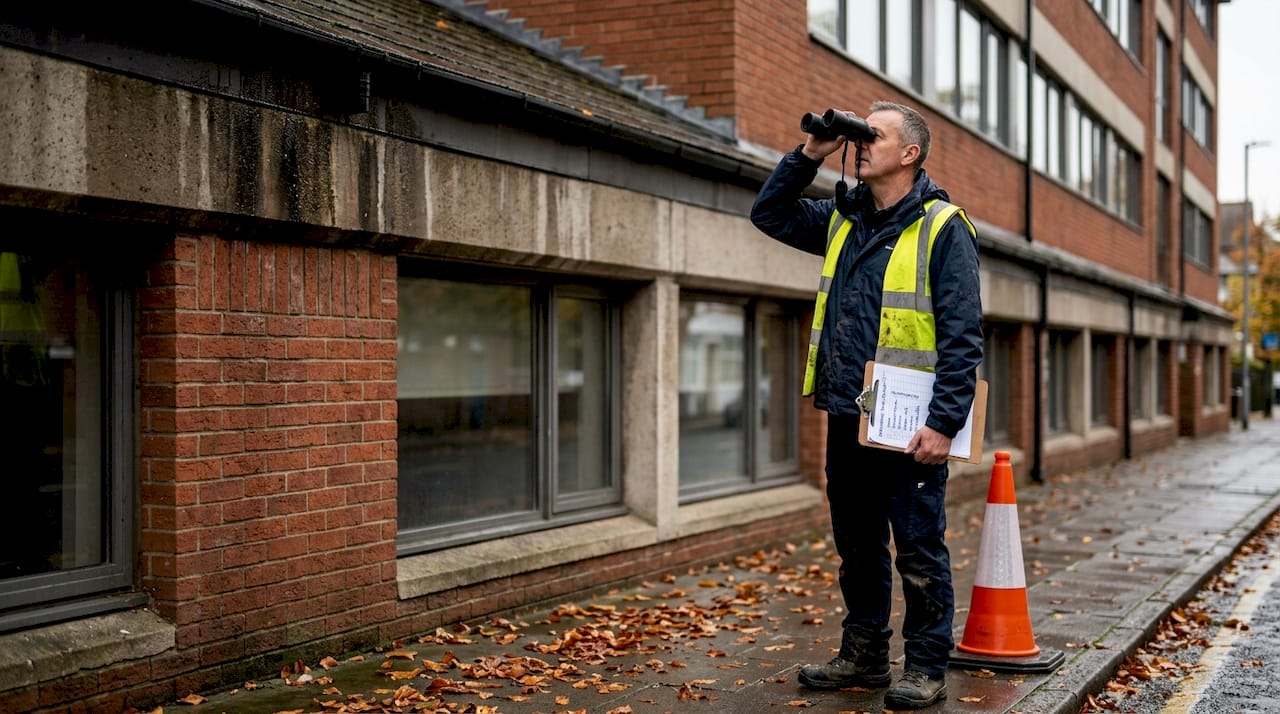
Professional home inspectors emphasise the importance of comprehensive site assessments before commencing gutter maintenance. This includes checking ladder stability, ensuring clear working spaces, and identifying any potential structural vulnerabilities that might impact cleaning operations.
Thorough pre-cleaning preparations prevent accidents and ensure efficient maintenance workflows.
Property managers should create a detailed site preparation checklist that addresses specific building characteristics. This approach allows for tailored preparations that account for unique architectural features, surrounding vegetation, and potential access challenges.
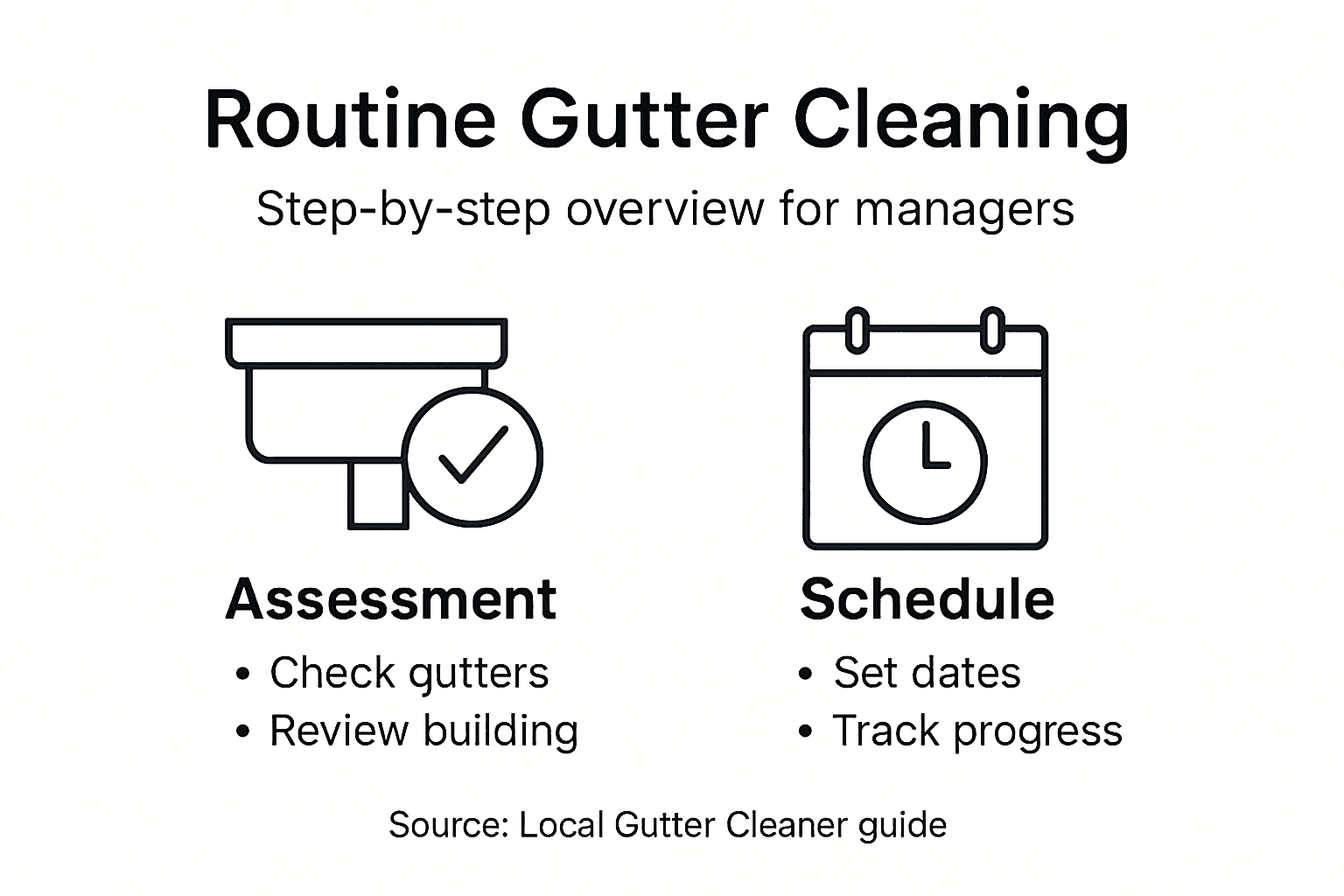
Top Tip: Conduct a preliminary site walkthrough at least 24 hours before scheduled cleaning to identify and mitigate potential preparation obstacles.
Step 5: Verify Cleaning Quality and Document Results
The final stage of gutter maintenance involves rigorous quality verification and comprehensive documentation to ensure the cleaning process meets professional standards. Property managers must establish a systematic approach to confirming the effectiveness of the gutter cleaning intervention.
Verification of cleaning procedures requires meticulous attention to several critical documentation elements:
- Photographic evidence of pre and post-cleaning conditions
- Detailed written assessment of gutter system status
- Record of specific cleaning techniques applied
- Identification of any potential structural issues discovered
- Measurements of debris removal effectiveness
- Timestamps and technician details
Professional maintenance protocols recommend creating a standardised inspection report that captures all relevant details about the cleaning process. This documentation serves multiple purposes, including tracking maintenance history, identifying potential future maintenance needs, and maintaining a comprehensive property management record.
Thorough documentation protects property managers by providing clear evidence of professional maintenance standards.
Ensure that your verification process includes a comprehensive review of the entire gutter system, checking for proper water flow, structural integrity, and potential areas requiring future attention. Cross-reference current findings with previous maintenance records to track any evolving maintenance requirements.
Top Tip: Develop a digital template for cleaning verification reports to ensure consistent and professional documentation across all property maintenance activities.
Take Control of Your Gutter Maintenance with Expert Support
Managing routine gutter cleaning for blocks of flats and commercial buildings involves complex challenges from detailed inspections to thorough documentation. This article highlights crucial pain points such as assessing gutter conditions, scheduling optimal cleaning intervals, and verifying quality to prevent costly water damage and structural issues. As a property manager, you understand how vital a well-planned maintenance strategy is to protect your investment and ensure tenant safety.
Partner with a reliable gutter cleaning service that understands your unique needs. At Local Gutter Cleaner, we specialise in servicing multi-occupancy and commercial properties. We bring professional expertise combined with fully insured, accredited teams ready to handle complex gutter systems safely and efficiently. Our tailored approach includes pre-cleaning planning, expert inspections, and detailed reporting to match the standards recommended by home inspectors.
Ready to eliminate the stress of gutter cleaning from your property management duties Try our trusted Gutter Cleaning Service for Blocks of Flats and Commercial Buildings today and experience peace of mind knowing your gutters are in expert hands Visit https://local-guttercleaner.co.uk now to schedule your assessment and secure a maintenance plan designed precisely for your building’s needs.
Frequently Asked Questions
How often should I schedule routine gutter cleaning for my properties?
To maintain optimal performance, property managers should typically schedule gutter cleaning at least twice a year. Consider adjusting the frequency based on local weather patterns or heavy vegetation, aiming for cleanings every season in high-debris areas.
What specific indicators should I look for during the initial gutter assessment?
Key indicators to observe during an initial assessment include the condition of the gutter material, signs of rust or damage, and proper alignment with the building structure. Conduct a thorough visual inspection and document any issues to develop an effective maintenance strategy.
How can I determine the best professional gutter cleaning service for my property?
Select a professional cleaning service by verifying their credentials, checking for insurance coverage, and reviewing customer testimonials. Request detailed quotes and compare services to ensure they meet the specific needs of your property.
What preparations should I take before scheduling gutter cleaning?
Before gutter cleaning, ensure clear access to gutter systems, notify building occupants, and remove any obstacles. Create a checklist to confirm the readiness of equipment and safety measures to guarantee a smooth cleaning process.
How can I verify the quality of the gutter cleaning after it has been completed?
Verify the quality of the cleaning by assessing the gutter system’s functionality and collecting photographic evidence of pre and post-cleaning conditions. Document specific techniques used during cleaning for future reference and maintenance planning.
What should be included in my gutter maintenance documentation?
Maintain comprehensive documentation that includes photographs, a written assessment of the gutter system, cleaning techniques applied, and any structural issues identified. This record will help track maintenance history and plan for future needs.



[…] than steel, whilst older cast iron systems require specialist care to avoid damage. Understanding how to plan routine gutter cleaning helps you align your chosen method with your property’s specific needs and long-term maintenance […]
[…] Tip: Coordinate routine gutter cleaning planning with other building maintenance activities. Scheduling gutter service alongside roof inspections or […]
[…] your buildings protected systematically. Regular attention costs far less than emergency repairs. A routine gutter cleaning plan integrated into overall building maintenance ensures nothing gets […]
[…] routine gutter cleaning planning into annual property management cycles ensures consistency. Automated reminders and contractor […]