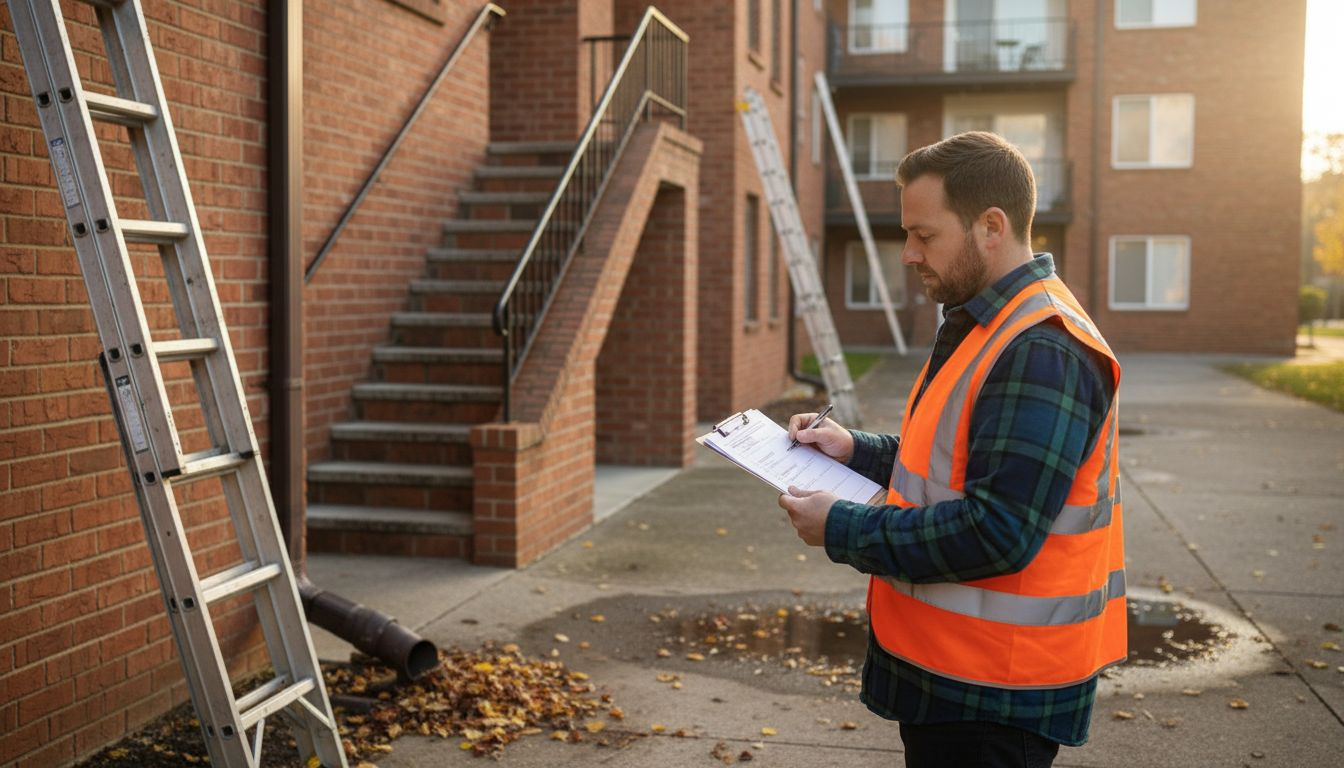
Blocked gutters on a rainy morning can quickly turn into stained walls and unwanted repair costs for multi-unit building managers. In crowded urban environments, even a minor drainage problem can lead to disruption and unhappy tenants. Staying on top of planned preventative maintenance keeps guttering systems in check, supporting both property value preservation and reliable tenant satisfaction through every season.
Table of Contents
- Step 1: Assess Property Gutter Requirements
- Step 2: Establish Routine Inspection Schedules
- Step 3: Implement Systematic Cleaning Procedures
- Step 4: Record Maintenance Activities Accurately
- Step 5: Verify Effectiveness And Address Issues
Quick Summary
| Essential Insight | Clarification |
|---|---|
| 1. Conduct a Comprehensive Gutter Assessment | Evaluating the gutter system prevents water damage and maintains building integrity through clear indicators and measurements. |
| 2. Schedule Regular Maintenance Inspections | Establishing a routine inspection plan helps track gutter performance and preemptively address potential issues before they escalate. |
| 3. Implement Consistent Cleaning Procedures | Regular gutter cleaning using systematic methods is vital to ensure effective drainage and prevent accumulation problems. |
| 4. Maintain Accurate Documentation of Activities | Keeping detailed records of maintenance tasks supports asset management and facilitates long-term performance analysis. |
| 5. Verify Gutter Maintenance Effectiveness | Regular performance checks and evaluations of gutter functionality ensure ongoing effectiveness and early detection of issues. |
Step 1: Assess Property Gutter Requirements
Property managers must systematically evaluate gutter requirements to maintain building integrity and prevent water damage. This crucial first step involves conducting a comprehensive assessment of the property’s drainage infrastructure, considering factors like building age, architectural design, and local climate conditions.
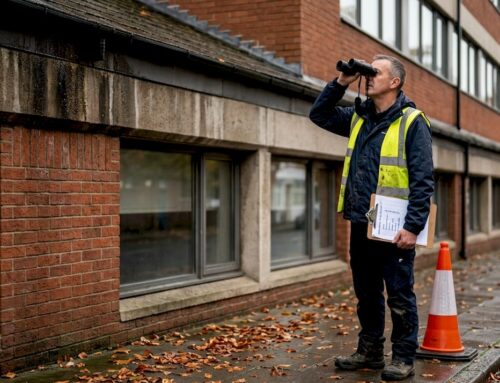
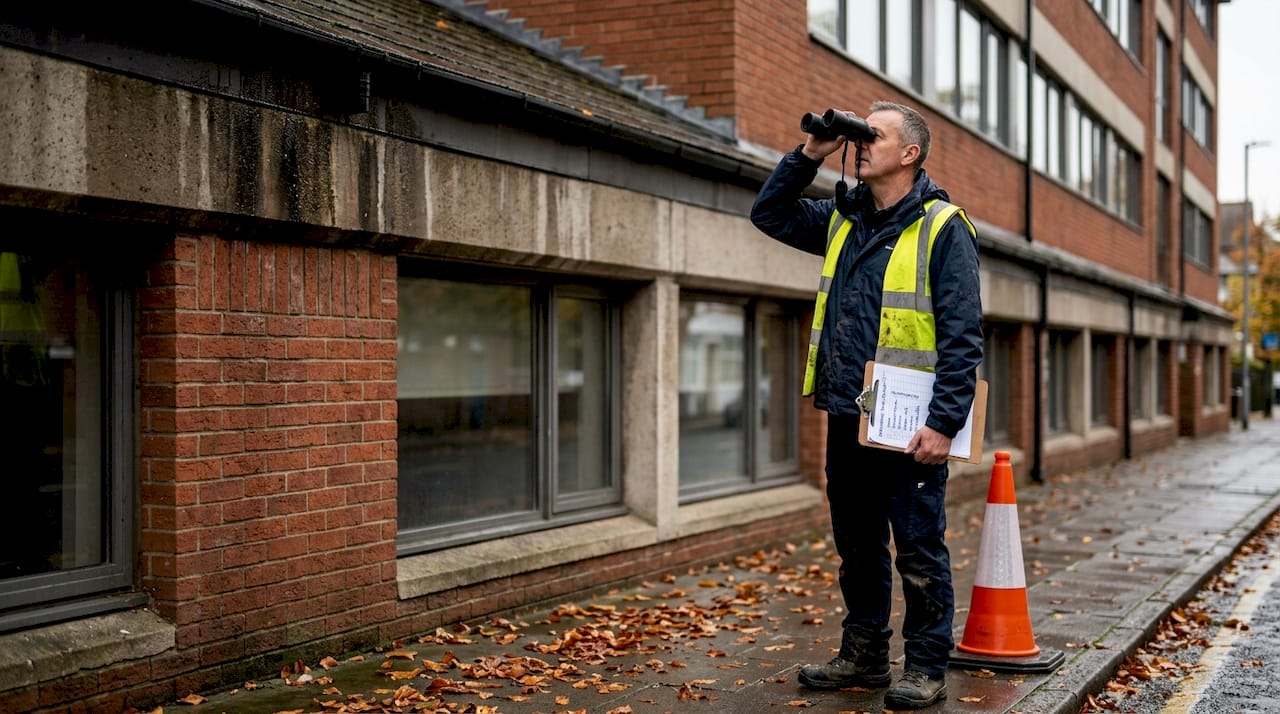
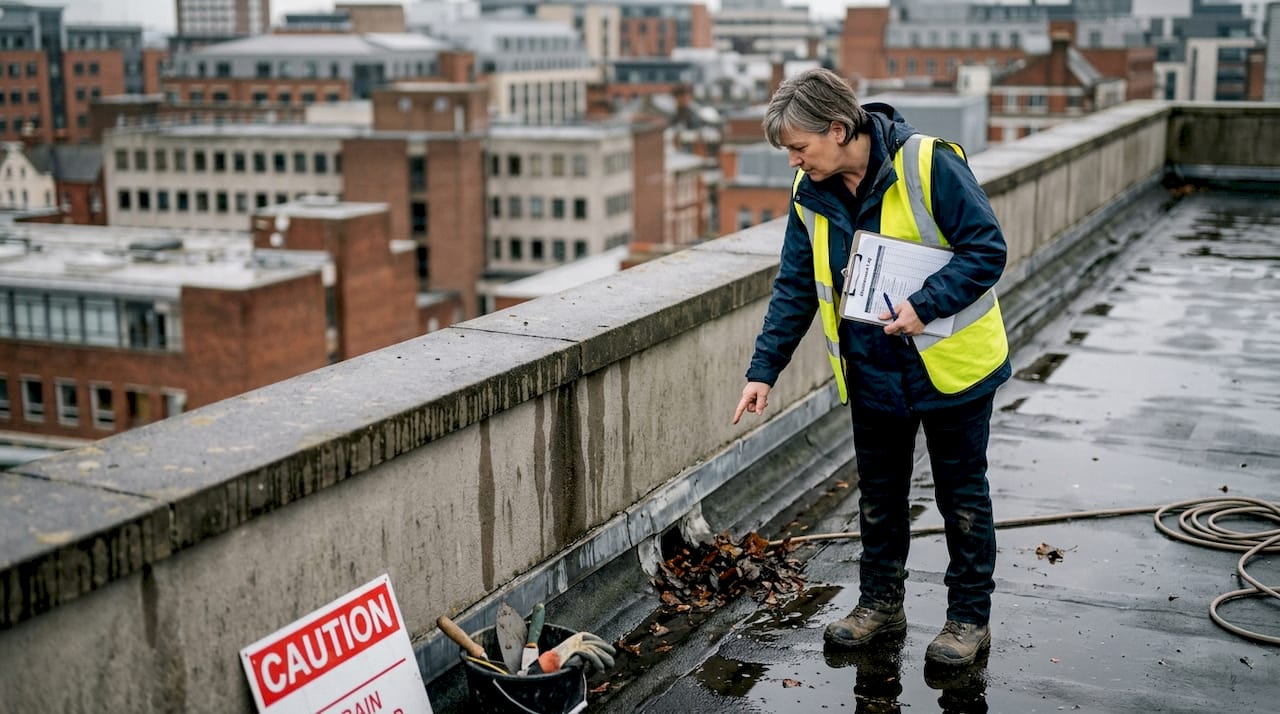
To effectively assess gutter requirements, begin by performing a detailed visual inspection of the existing gutter system. Look for key indicators of potential issues, such as:
- Visible corrosion or rust on metal guttering components
- Signs of water staining on external walls
- Evidence of previous water overflow or drainage problems
- Structural misalignments in gutter positioning
Engineering guidelines suggest using specific drainage evaluation techniques to determine precise gutter capacity. This involves measuring slope, understanding local rainfall patterns, and calculating potential water volume the gutters must handle.
Documenting your findings comprehensively will help create a targeted maintenance strategy tailored to the specific needs of each property. Photograph problematic areas, note measurements, and record the current condition of guttering systems to establish a baseline for future maintenance efforts.
Professional Recommendation: Always conduct your initial gutter assessment during dry weather to ensure clear visibility and accurate evaluation of the entire drainage system.
Step 2: Establish Routine Inspection Schedules
Property managers must develop a comprehensive and systematic approach to gutter maintenance through strategic routine inspection scheduling. Planned preventative maintenance standards emphasise the critical importance of regular assessments to preserve building infrastructure and prevent potential water damage.
To create an effective inspection schedule, consider the following key elements:
- Frequency of inspections based on building location and climate
- Seasonal variations affecting gutter performance
- Age and condition of existing guttering systems
- Local environmental factors such as tree coverage and wind patterns
Typically, professional property managers should implement a structured inspection approach that includes:
- Quarterly visual assessments during dry seasons
- Detailed comprehensive inspections twice annually
- Post-extreme weather event evaluations
- Annual professional assessment by specialised gutter maintenance technicians
Documenting each inspection thoroughly will help track the gutter system’s condition over time, enabling proactive maintenance and early detection of potential issues. Professional inspection guidelines recommend checking for signs of rust, structural damage, and proper water diversion to protect the building’s foundation.
Professional Recommendation: Create a digital maintenance log to track inspection dates, findings, and recommended repairs for each property in your management portfolio.
Step 3: Implement Systematic Cleaning Procedures
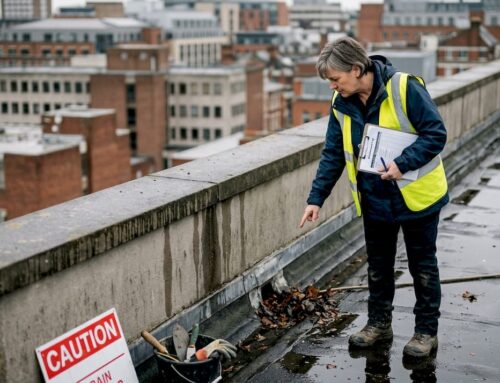
Property managers must develop a robust and methodical approach to gutter cleaning that ensures thorough debris removal and prevents potential water damage. Manual cleaning processes emphasise the critical importance of systematic techniques that protect both the property and maintenance personnel.
A comprehensive gutter cleaning procedure should incorporate the following key steps:
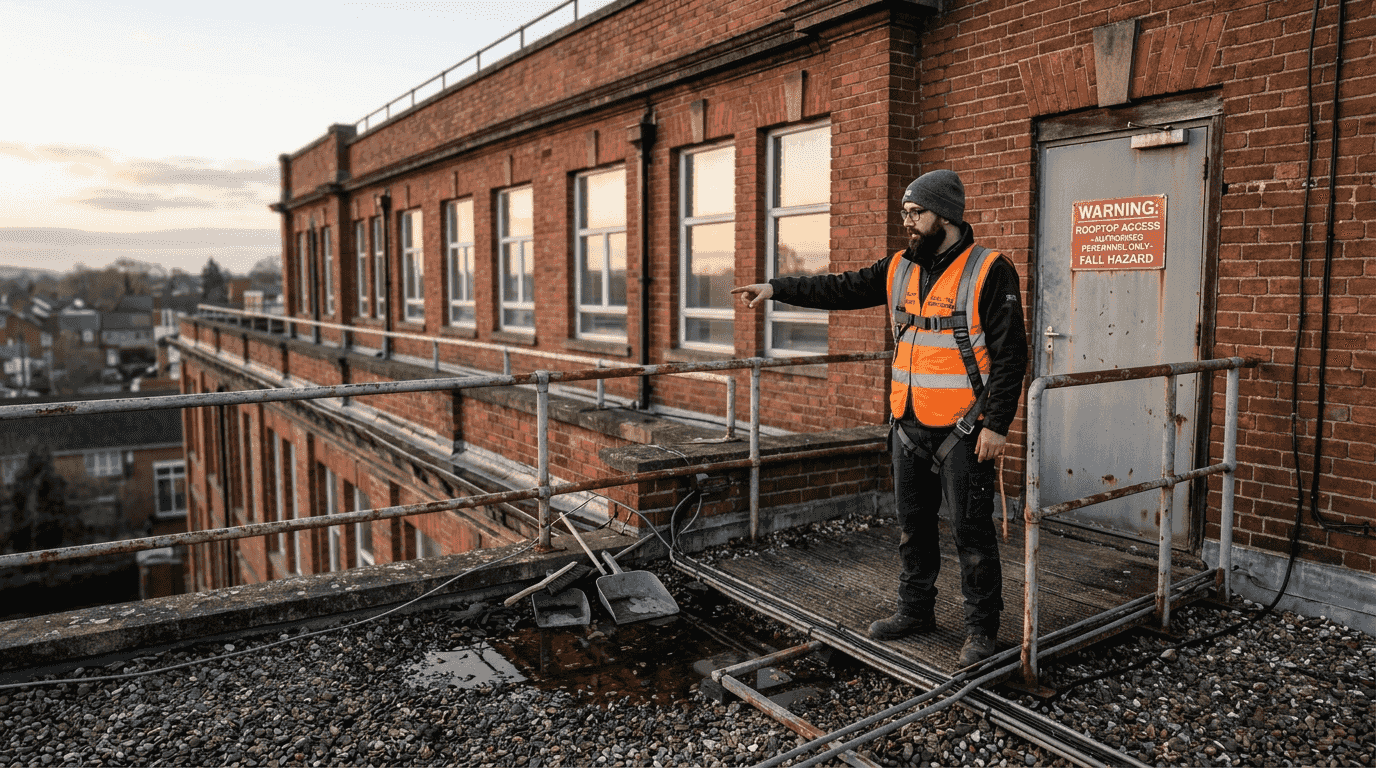
- Personal protective equipment for all cleaning personnel
- Specialised cleaning tools appropriate for different gutter materials
- Detailed debris removal techniques
- Waste management and disposal protocols
Implement the cleaning process through these structured stages:
- Prepare appropriate safety equipment
- Remove loose debris manually
- Clear blockages using specialised tools
- Flush guttering system with water
- Conduct final visual inspection
Understanding that hand cleaning works best when debris is damp, property managers should schedule cleaning during optimal moisture conditions to facilitate efficient debris removal. Careful attention to detail during each cleaning session will help prevent water infiltration and protect the building’s foundational integrity.
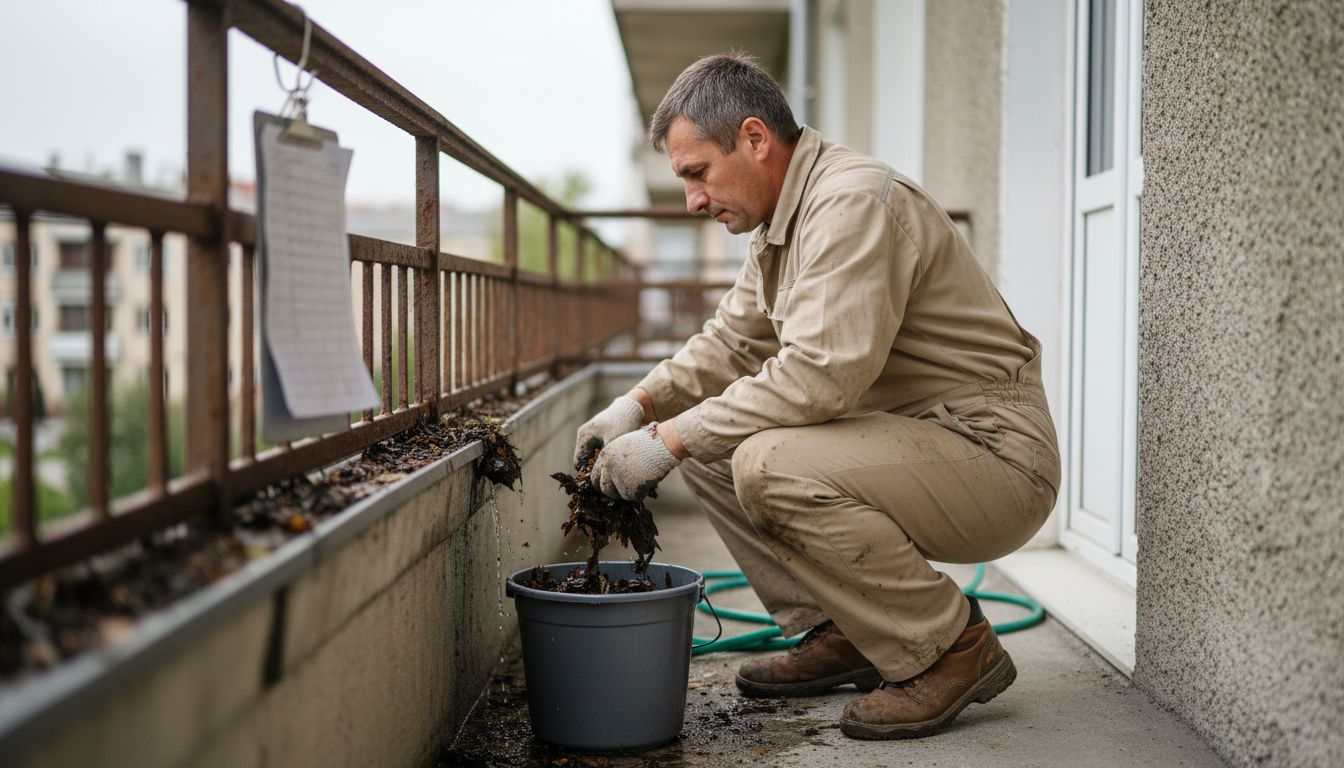
Professional Recommendation: Develop a standardised cleaning checklist that can be replicated across multiple properties to ensure consistent maintenance quality.
Step 4: Record Maintenance Activities Accurately
Property managers must establish a comprehensive and systematic approach to documenting gutter maintenance activities, ensuring meticulous tracking of all inspection, cleaning, and repair interventions. Maintenance planning documentation provides critical insights into maintaining accurate and detailed records that support ongoing asset management.
Key elements of effective maintenance record-keeping include:
- Digital documentation platforms
- Standardised reporting templates
- Chronological maintenance logs
- Photographic evidence of repairs
- Comprehensive inspection notes
When recording maintenance activities, property managers should capture the following critical information:
- Date and time of maintenance
- Names of maintenance personnel
- Specific areas cleaned or repaired
- Tools and materials used
- Observations and recommended future actions
- Estimated costs of maintenance
Create a robust documentation system that allows for easy retrieval and analysis of maintenance history. This approach enables property managers to track long-term gutter performance, predict potential issues, and justify maintenance expenditures to stakeholders.
Professional Recommendation: Implement a cloud-based maintenance management system that automatically timestamps and archives all maintenance records for instant accessibility and long-term tracking.
To help property managers ensure accountability and transparency, use this table to distinguish best practices in maintenance activity documentation:
| Documentation Feature | Benefit | Typical Tool |
|---|---|---|
| Timestamped Records | Accurate activity tracking | Cloud-based system |
| Photographic Evidence | Visual proof of repairs | Mobile app uploads |
| Cost Attribution | Budget control and planning | Digital logs or Excel |
| Standard Templates | Uniformity in reporting | Customised PDF forms |
The following table summarises the key differences between reactive and preventative gutter maintenance approaches for property managers:
| Aspect | Reactive Maintenance | Preventative Maintenance |
|---|---|---|
| Timing | After issues arise | Regularly scheduled |
| Cost Predictability | Unpredictable, potentially high | Consistent, manageable costs |
| Impact on Property | Risk of severe water damage | Minimises long-term damage risk |
| Record-Keeping Needs | Minimal, often ad-hoc | Structured, detailed history |
| Stakeholder Confidence | May decrease after incidents | Increases with reliability |
Step 5: Verify Effectiveness and Address Issues
Property managers must establish a systematic approach to evaluating gutter maintenance performance, ensuring that drainage systems function optimally and potential issues are identified and resolved promptly. Maintenance performance indicators provide critical insights into measuring the effectiveness of ongoing maintenance strategies.
Key verification processes should include:
- Comprehensive visual assessments
- Performance metric tracking
- Water flow and drainage testing
- Structural integrity evaluation
- Comparative analysis of maintenance records
When verifying gutter effectiveness, property managers should focus on:
- Measuring water dispersal performance
- Checking for structural damage indicators
- Assessing debris accumulation patterns
- Evaluating water diversion efficiency
- Monitoring potential corrosion or wear
Pavement drainage system monitoring emphasises the importance of detecting early warning signs that might compromise gutter functionality. Proactive identification allows for timely interventions, preventing more significant and costly repairs in the future.
Professional Recommendation: Develop a standardised inspection checklist that includes quantifiable metrics to objectively measure gutter performance and maintenance effectiveness.
Ensure Your Property’s Gutters Are Always in Top Condition
Property managers face the ongoing challenge of maintaining gutter systems that protect blocks of flats and commercial buildings from costly water damage and structural issues. The guide highlights critical pain points like scheduling routine inspections, systematic cleaning, and accurate maintenance records. These are essential to prevent blockages, rust, and overflow that can jeopardise your properties’ foundations and appearance.
Our professional gutter cleaning service specialises in supporting property managers by delivering reliable, thorough maintenance tailored to commercial and residential estates. Partnering with us means you benefit from expert inspections that assess your gutter’s condition accurately and scheduled cleaning to keep your drainage systems flowing freely all year round.
Act now to safeguard your investments with Gutter Cleaning Service for Blocks of Flats and Commercial Buildings. Our team is ready to implement a maintenance strategy that aligns with the best practices from this guide including systematic cleaning and detailed activity recording. Don’t wait for water damage to occur. Visit https://local-guttercleaner.co.uk today to arrange your first inspection and secure peace of mind for your properties.
Frequently Asked Questions
How often should I schedule gutter inspections for my properties?
You should implement a structured inspection schedule that includes quarterly visual assessments and more detailed inspections twice a year. Additionally, conduct evaluations after extreme weather events to ensure effective drainage and prevent water damage.
What are the key steps in performing a gutter cleaning procedure?
Begin by equipping cleaning personnel with personal protective equipment, followed by the manual removal of loose debris. Clear any blockages with specialised tools and flush the system with water to guarantee efficient operation.
How can I document gutter maintenance activities effectively?
Establish a comprehensive documentation system that records dates, personnel involved, and specific actions taken during maintenance. Include photographs of repairs and any recommendations for future actions to track performance and justifications for expenditures.
What should I focus on when verifying gutter maintenance effectiveness?
You should measure water dispersal performance, check for structural damage indicators, and assess debris accumulation patterns. Conducting regular evaluations allows you to identify potential issues early, which can prevent costly repairs later.
Why is it important to assess gutter requirements before maintenance?
Assessing gutter requirements helps you identify specific issues related to building age, architectural design, and local climate. This understanding enables you to develop a targeted maintenance strategy that protects building integrity and prevents water damage.
What conditions are best for conducting a gutter assessment?
Always conduct your initial gutter assessment during dry weather to ensure clear visibility and accurate evaluation of the entire drainage system. This will help you identify problems without interference from water-related issues.
[…] Gutter Maintenance Schedule Guide for Property Managers […]
[…] this documentation to establish preventative maintenance scheduling tailored to your building’s needs. Regular cleaning prevents damage accumulation and reduces […]
[…] compliance services ensures installations meet current regulations, whilst following proper gutter maintenance schedules keeps systems performing […]
[…] deterioration rates. Comparative analysis across multiple inspections reveals patterns informing gutter maintenance schedule guide decisions. For comprehensive understanding of drone technology for gutter surveys, facility […]