Blocked gutters and hidden hazards can turn simple maintenance into a costly emergency for any commercial property manager. Complex structures in cities from London to Sydney bring unique risks that demand a careful approach and strict attention to safety. This guide delivers step-by-step best practices for commercial gutter maintenance—from site assessment to documentation—helping you protect your building, your team, and your compliance with industry standards.
Table of Contents
- Step 1: Assess Site and Safety Requirements
- Step 2: Gather Necessary Tools and Equipment
- Step 3: Inspect Gutters and Downpipes Thoroughly
- Step 4: Remove Debris and Blockages Safely
- Step 5: Check for Damage and Structural Issues
- Step 6: Document and Verify Cleaning Compliance
Quick Summary
| Main Insight | Explanation |
|---|---|
| 1. Conduct a thorough site assessment | Evaluate site safety by inspecting building features, risks, and access limitations before starting. |
| 2. Prepare essential tools and equipment | Assemble a comprehensive toolkit, including PPE and cleaning tools, to ensure safety and efficiency. |
| 3. Inspect gutters meticulously | Check for structural issues and blockages to prevent costly damage and ensure proper drainage. |
| 4. Use systematic debris removal techniques | Prioritise safety while removing debris, using appropriate tools and maintaining three-point contact. |
| 5. Document all maintenance activities | Keep accurate records of inspections, cleaning, and compliance measures for future reference and risk management. |
Step 1: Assess Site and Safety Requirements
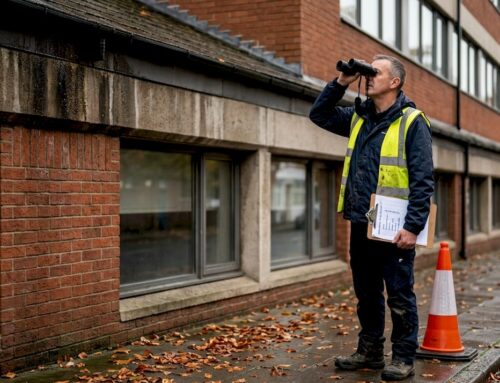
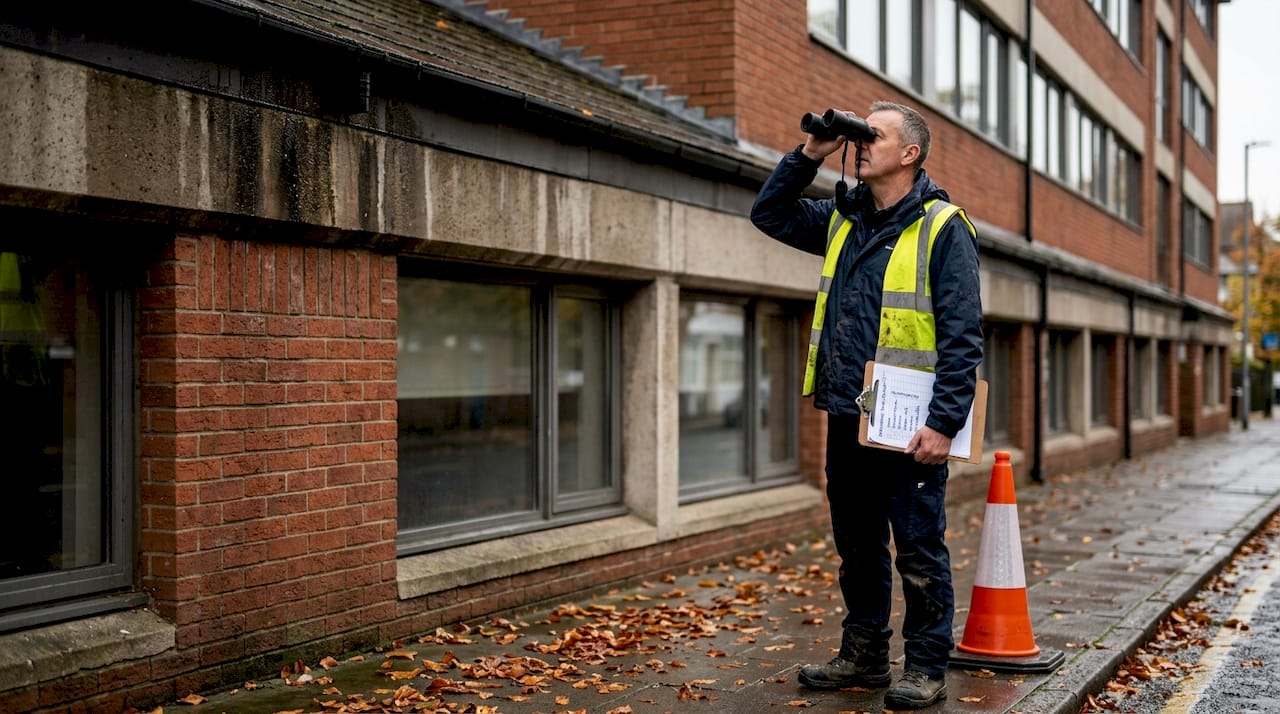
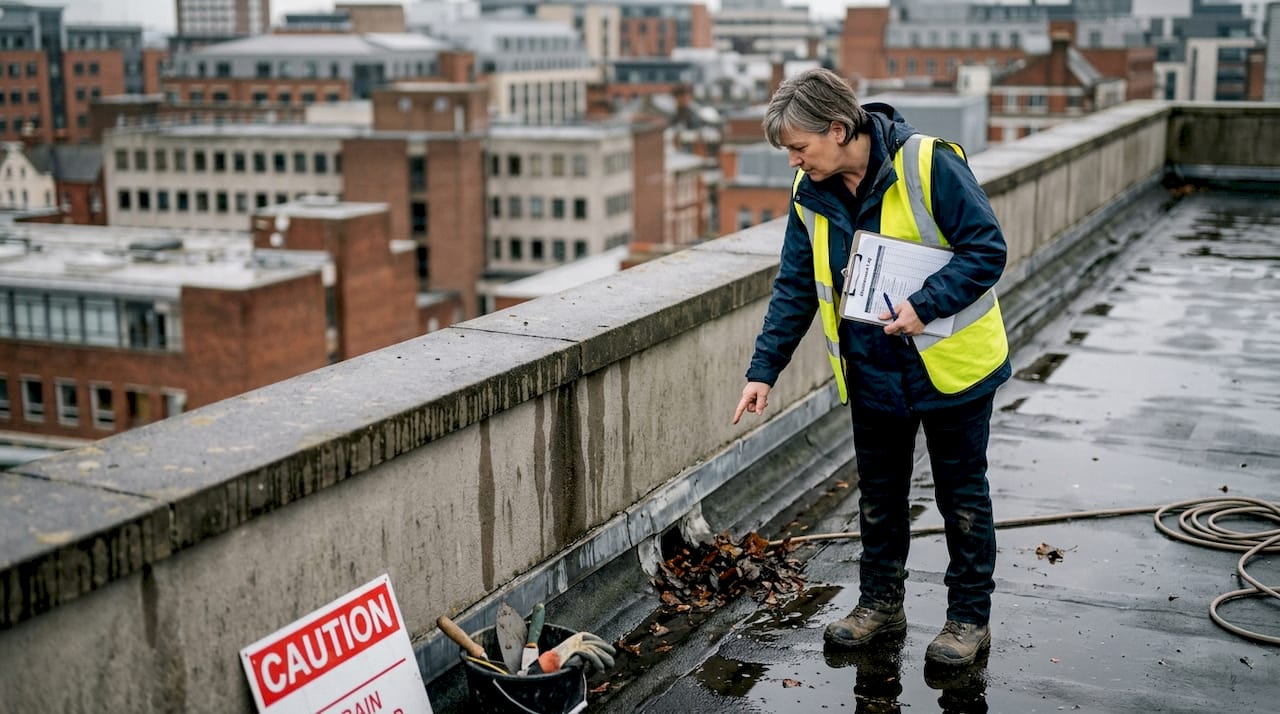
Before undertaking any commercial gutter cleaning project, a comprehensive site assessment is crucial to ensure worker safety and project success. Your initial evaluation will determine the specific challenges and potential risks associated with the particular building and its drainage system.
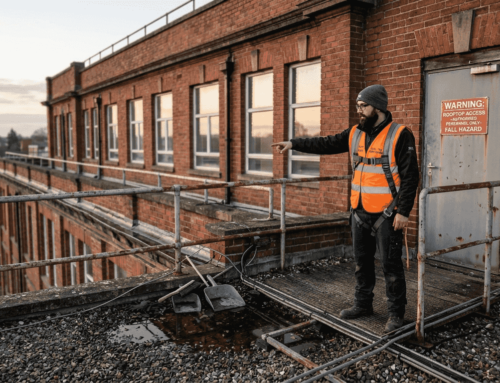
Start by conducting a thorough visual inspection of the site, focusing on several critical aspects. This involves examining the building’s architectural features, roof pitch, gutter system configuration, and potential access limitations. Detailed worksite hazard analysis requires identifying potential risks such as:
- Roof steepness and structural integrity
- Potential electrical hazards near guttering
- Presence of overhead power lines
- Ground surface stability for equipment placement
- Obstructions that might impede safe ladder positioning
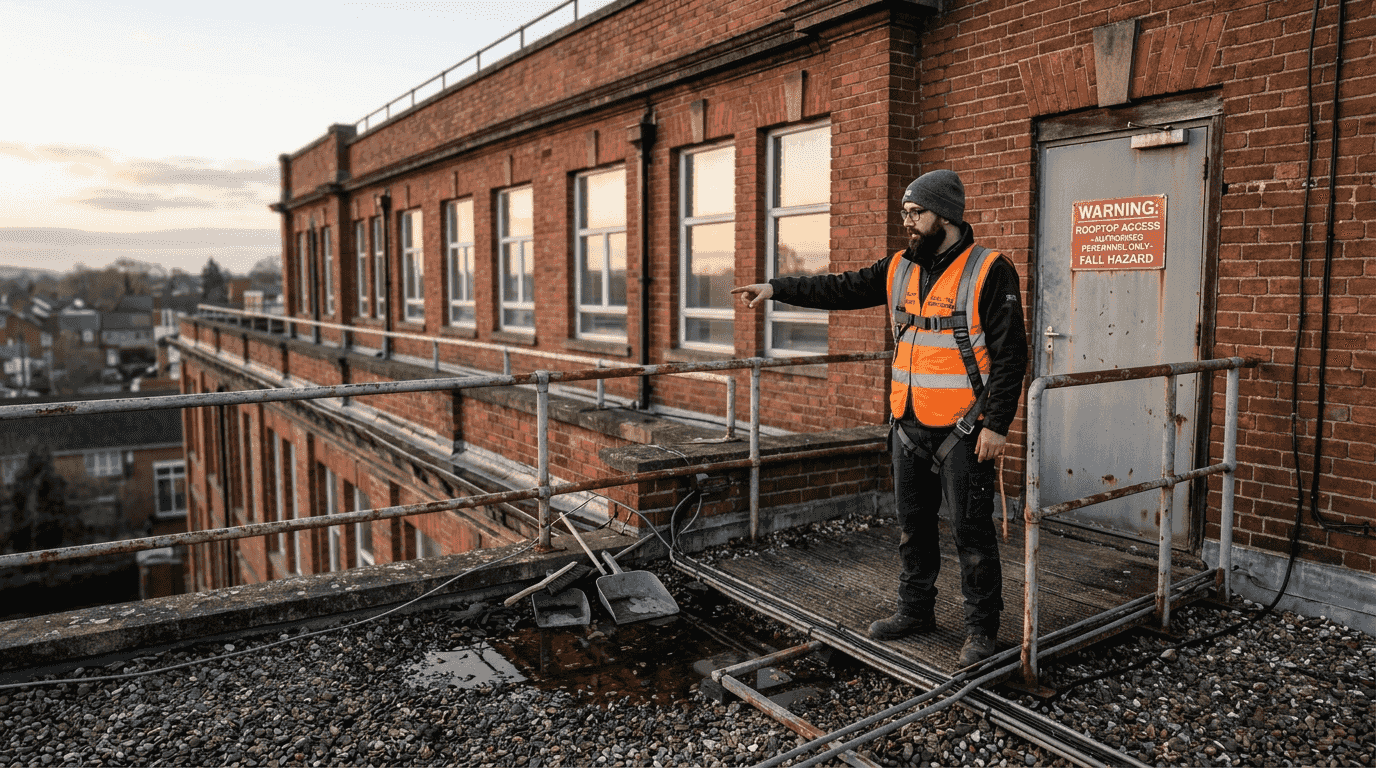
Professional gutter cleaning demands rigorous safety protocols. Your assessment should include evaluating personal protective equipment (PPE) requirements and selecting appropriate fall protection systems. Key considerations include:
- Checking ladder stability and weight capacity
- Ensuring proper harness and restraint systems
- Verifying worker training and certification levels
- Confirming insurance and liability coverage
A comprehensive site assessment is your first line of defence against potential workplace accidents.
Additionally, government inspection guidelines recommend documenting all site-specific conditions before commencing work. This documentation protects both workers and the property owner by creating a clear record of pre-existing conditions.
The following table summarises potential site hazards and their impact on commercial gutter cleaning projects:
| Hazard Type | Impact on Project | Required Precaution |
|---|---|---|
| Roof steepness | Increases fall risk | Use advanced fall protection |
| Electrical hazards | Risk of electrocution | Maintain safe distance |
| Unstable ground surface | Equipment instability | Reinforce placement area |
| Access limitations | Delays and safety issues | Specialist equipment needed |
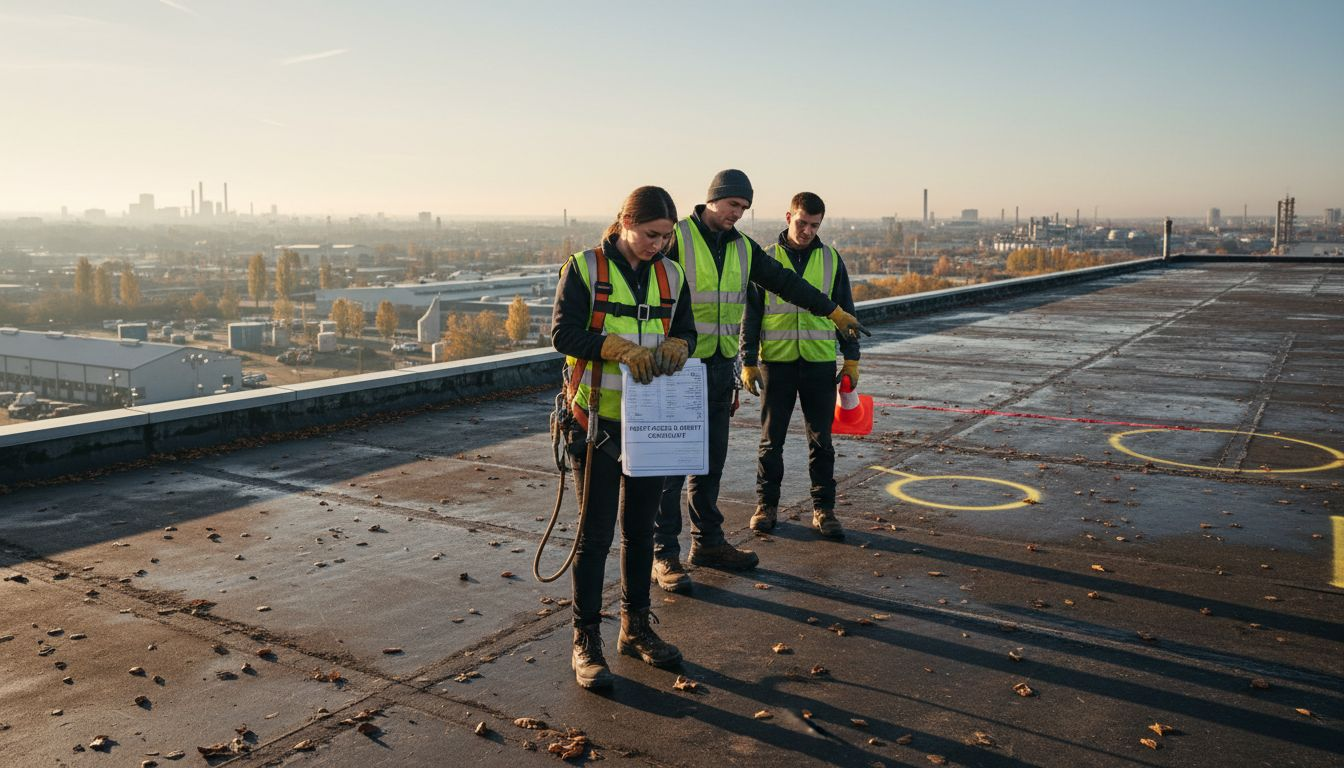
Pro tip: Always conduct a preliminary site walkthrough with your entire team to collectively identify and discuss potential safety challenges before beginning any gutter maintenance work.
Step 2: Gather Necessary Tools and Equipment
Preparing the right tools and equipment is fundamental to executing a safe and efficient commercial gutter cleaning operation. Your toolkit will determine your ability to perform thorough maintenance while minimising potential safety risks.
Comprehensive contractor safety guidelines recommend assembling a robust collection of equipment that ensures worker protection and task effectiveness. Essential personal protective equipment (PPE) and tools include:
- Heavy-duty safety harness and fall protection system
- Sturdy extension ladder with stabilising feet
- Steel-toed work boots with excellent grip
- Protective gloves with enhanced dexterity
- Safety helmet with chin strap
- Respirator mask for dust protection
- High-visibility safety vest
For the actual gutter cleaning process, government maintenance specifications recommend additional specialised tools:
- Plastic or wooden debris removal paddles
- Garden hose with adjustable pressure nozzle
- Bucket for collecting organic debris
- Gutter scoop with flexible edge
- Telescopic cleaning attachments
Proper equipment selection is not just about task completion but ensuring worker safety and operational efficiency.
Professional cleaning requires meticulous tool preparation. Beyond standard equipment, consider site-specific requirements like scaffolding for high-rise buildings or specialised access tools for complex architectural structures. Always inspect each piece of equipment for structural integrity and potential wear before deployment.
A quick reference for advanced gutter cleaning tools and their ideal application:
| Tool | Best Use Area | Efficiency Benefit |
|---|---|---|
| Telescopic cleaning attachment | High, hard-to-reach gutters | Reduces ladder repositioning |
| Flexible gutter scoop | Narrow, curved gutters | Minimises gutter damage |
| Adjustable pressure nozzle | Flushing downpipes | Ensures thorough cleaning |
| Debris removal paddle | Large debris in wide gutters | Prevents blockages |
Pro tip: Create a standardised equipment checklist that can be quickly referenced and updated for each unique commercial gutter cleaning project, helping prevent oversights and ensuring comprehensive preparation.
Step 3: Inspect Gutters and Downpipes Thoroughly
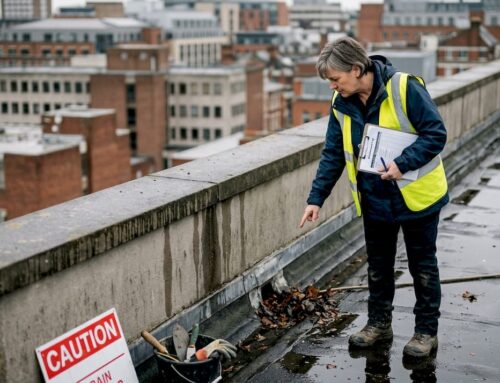
Thorough inspection of gutters and downpipes is critical for identifying potential structural issues and preventing costly water damage to commercial properties. Your detailed examination will reveal hidden problems that could compromise the entire drainage system.
Comprehensive cleaning industry standards recommend a systematic approach to identifying potential hazards during gutter inspection. Key areas to examine include:
- Visible cracks or structural splits
- Signs of corrosion or metal deterioration
- Loose or damaged mounting brackets
- Blockages from organic debris
- Evidence of water staining or leakage
- Biological growth like moss or lichen
- Alignment and proper slope of guttering
Professional inspection techniques require careful visual and tactile assessment. Government maintenance guidelines suggest methodically checking each section of the gutter system, paying close attention to:
- Joint connections between gutter segments
- Downpipe attachment points
- Internal gutter surface condition
- Water flow and drainage effectiveness
- Potential structural stress points
A meticulous inspection can prevent minor issues from escalating into major structural problems.
Critical areas demand special attention. Look for subtle signs of wear that might indicate underlying issues, such as slight discolouration, minor rust spots, or slight misalignments that could suggest more significant structural concerns. Document your findings comprehensively, noting the location and extent of any potential problems.
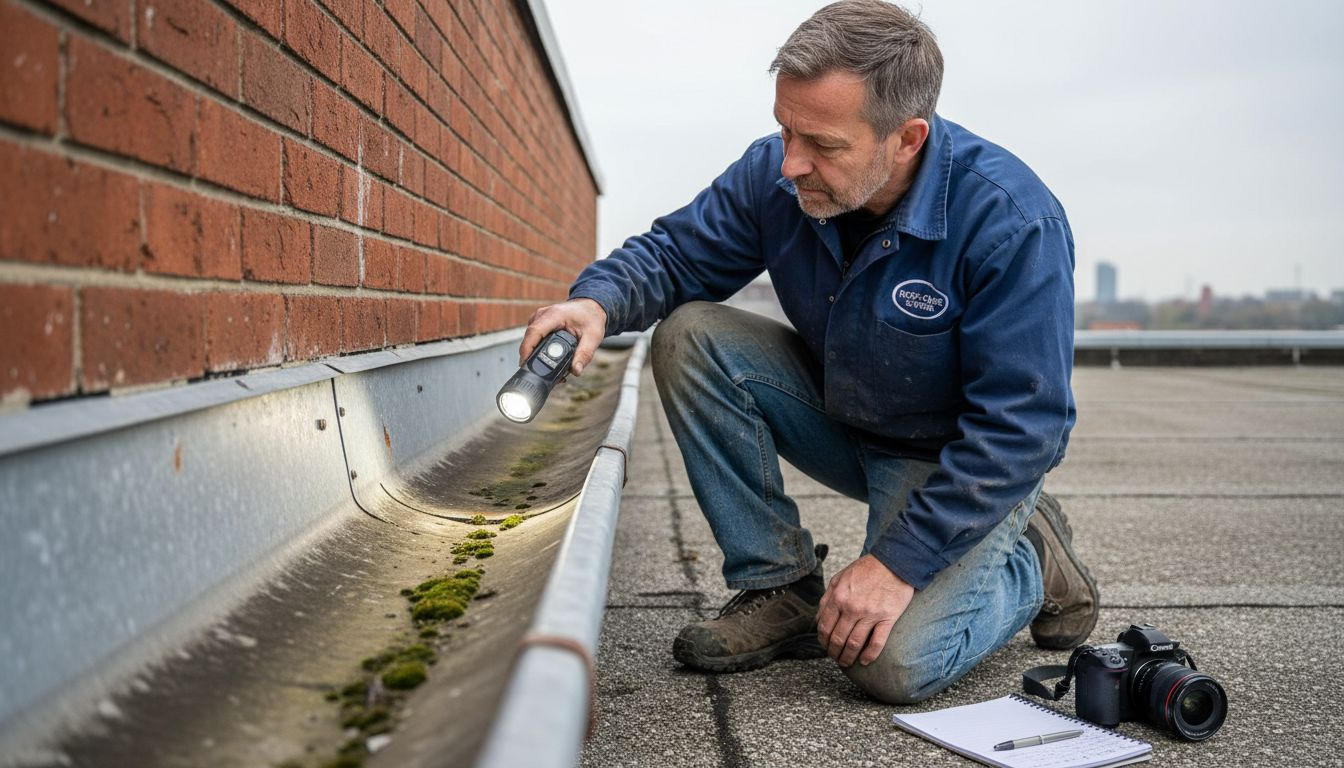
Pro tip: Use a smartphone to photograph each section of the gutter system during inspection, creating a permanent visual record that can help track changes and support future maintenance decisions.
Step 4: Remove Debris and Blockages Safely
Successfully clearing gutter debris requires a methodical approach that prioritises worker safety and prevents potential damage to the drainage system. Your primary objective is to remove accumulated materials efficiently while minimising personal risk and protecting the structural integrity of the guttering.
Safety health programmes emphasise the critical importance of proper debris removal techniques. Essential safety precautions include:
- Wearing full personal protective equipment
- Using appropriate hand tools
- Maintaining three-point contact with ladders
- Avoiding overreaching or unstable positions
- Managing biological waste carefully
- Preventing direct contact with potentially hazardous materials
Professional debris removal techniques involve systematic approaches to clearing different types of blockages. Government maintenance guidelines recommend the following sequential steps:
- Start with dry debris removal using plastic scrapers
- Use water hoses to flush remaining materials
- Check downpipes for complete clearance
- Verify water flow after cleaning
- Dispose of collected debris appropriately
Systematic debris removal prevents water damage and extends gutter system longevity.
Effective waste management is crucial. Use sealed containers for collecting organic materials, and ensure proper disposal according to local environmental regulations. Be particularly cautious with potential biological growth or contaminated debris that might pose health risks.
Pro tip: Always carry multiple disposal bags and wear disposable gloves to minimise direct contact with potentially hazardous gutter waste.
Step 5: Check for Damage and Structural Issues
Examining the structural integrity of gutter systems requires meticulous attention to detail and a systematic approach to identifying potential vulnerabilities. Your comprehensive assessment will help prevent minor issues from escalating into costly structural repairs.
Structural maintenance guidelines emphasise the importance of thorough damage assessment by trained professionals. Critical areas to inspect include:
- Fastener condition and attachment strength
- Evidence of corrosion or metal fatigue
- Cracks or splits in gutter segments
- Signs of water damage on adjacent surfaces
- Potential roof and soffit deterioration
- Alignment and pitch of gutter system
- Seal integrity around joints and connections
Professional damage assessment techniques involve a comprehensive visual and tactile examination. Government preservation tools recommend detailed evaluation of:
- Checking for loose or pulled fasteners
- Measuring extent of corrosion
- Identifying potential water infiltration points
- Assessing overall structural stability
- Documenting all observed damage
Proactive structural assessment is your primary defence against extensive infrastructure damage.
Systematic documentation is crucial. Photograph and precisely record every observed issue, noting its location, extent, and potential implications. This approach provides a clear historical record and supports future maintenance planning.
Pro tip: Use a digital measuring tool and smartphone to create a comprehensive damage report with precise measurements and geo-tagged photographic evidence.
Step 6: Document and Verify Cleaning Compliance
Comprehensive documentation serves as the backbone of professional gutter maintenance, providing a clear record of work performed and ensuring adherence to safety and quality standards. Your systematic approach will protect both the property and the maintenance team by creating transparent, verifiable documentation.
Safety health programmes underscore the critical importance of thorough record-keeping. Essential documentation elements include:
- Date and time of gutter cleaning service
- Names of cleaning personnel
- Detailed condition assessment before and after cleaning
- Specific areas of repair or potential future maintenance
- Safety protocols followed during the process
- Equipment and tools utilised
- Any observed structural issues
Compliance verification requires meticulous attention. Job hazard analysis worksheets recommend capturing comprehensive details through:
- Photographic evidence of pre and post-cleaning conditions
- Signed safety compliance checklists
- Detailed written reports of findings
- Risk assessment documentation
- Worker certification and training records
Accurate documentation transforms routine maintenance into a strategic risk management process.
Professional reporting demands precision. Create digital reports that can be easily stored, shared, and referenced. Use standardised templates that capture all critical information consistently across different cleaning projects and sites.
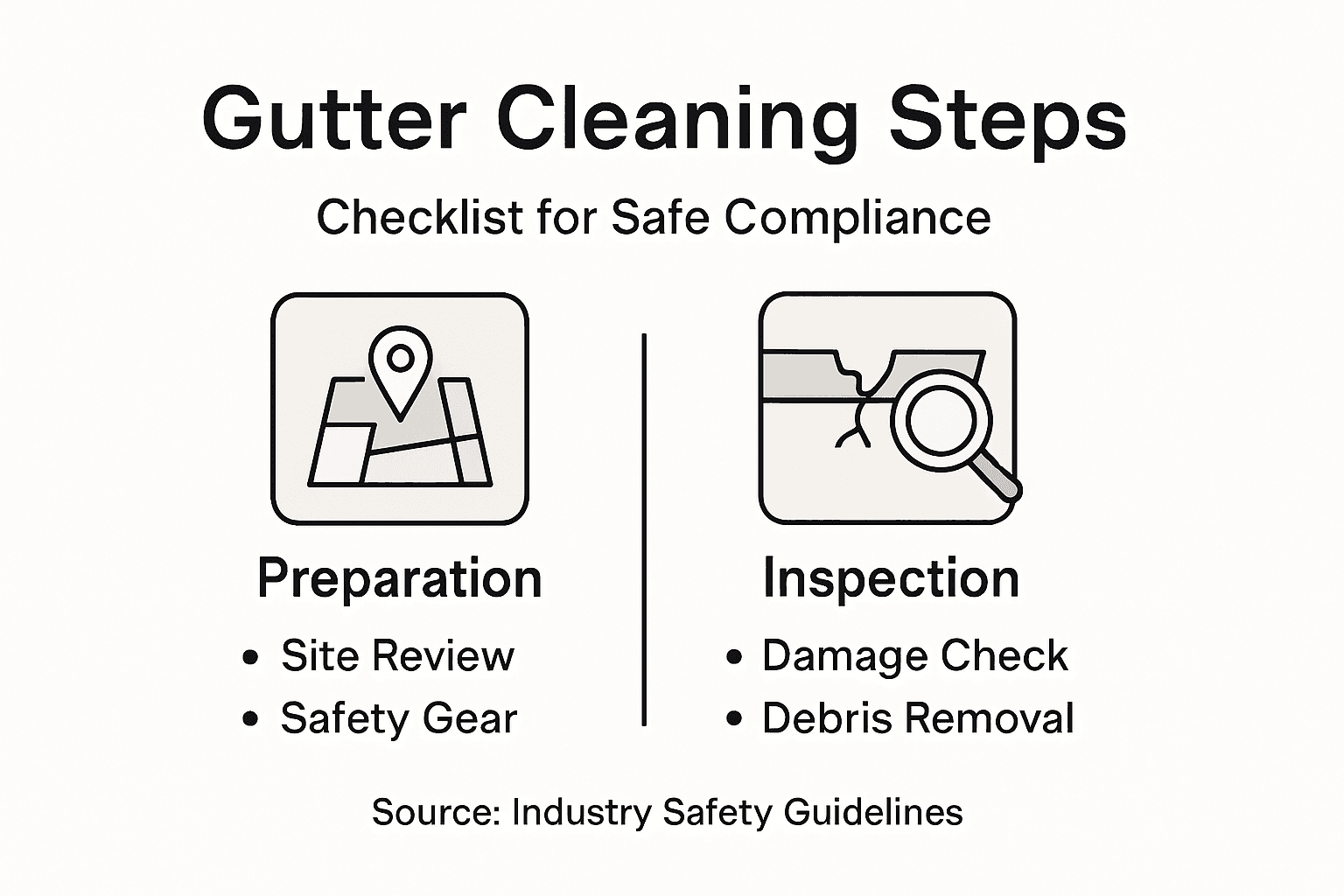
Pro tip: Develop a digital reporting template with pre-populated sections to streamline documentation and ensure no critical details are accidentally overlooked.
Ensure Safe Compliance with Expert Commercial Gutter Cleaning
Dealing with the challenges of commercial gutter maintenance can be overwhelming especially when navigating strict safety protocols and complex structural inspections. This article highlights crucial pain points such as site safety assessments fall protection equipment and thorough damage documentation that protect your property and cleaning team. Avoid the risks of overlooked hazards or improper debris removal by trusting professionals who understand these specific compliance checklists.
Don’t let safety concerns slow your commercial gutter cleaning project down. Our specialised Gutter Cleaning Service for Blocks of Flats and Commercial Buildings guarantees meticulous adherence to all safety and maintenance standards. Experience peace of mind knowing our team manages everything from site assessment through to detailed post-cleaning reports. Act now to safeguard your investment and ensure compliance by visiting Local Gutter Cleaner and scheduling your service today.
Frequently Asked Questions
What should I include in a commercial gutter cleaning checklist for safe compliance?
Include items such as a comprehensive site assessment, necessary tools and equipment, thorough inspection of gutters and downpipes, safe debris removal techniques, an assessment of any damage, and proper documentation of the cleaning process. Ensure that each step is clearly defined to prevent oversight during the operation.
How can I assess site and safety requirements before starting gutter cleaning?
Conduct a visual inspection of the site to identify potential hazards, such as roof steepness and electrical risks. This initial evaluation should also document access limitations and environmental conditions to ensure worker safety and compliance.
What personal protective equipment is essential for commercial gutter cleaning?
Essential personal protective equipment includes heavy-duty safety harnesses, sturdy extension ladders, steel-toed work boots, gloves, safety helmets, and high-visibility vests. Verify that all workers properly wear this equipment throughout the cleaning process to minimise risks.
How do I inspect gutters and downpipes thoroughly?
Examine visible cracks, corrosion, loose brackets, and blockages during your inspection. Ensure that you also check for water staining or any signs of leakage, documenting all findings for future reference.
What are the best practices for removing debris and blockages safely?
Wear full personal protective equipment and use appropriate hand tools to maintain a safe working environment. Begin by removing dry debris with scrapers and then use water hoses to clear any remaining materials, ensuring thorough cleaning of downpipes.
How important is it to document and verify cleaning compliance?
Proper documentation is crucial as it creates a transparent record of the work performed and ensures adherence to safety standards. Include detailed condition assessments, names of personnel involved, and any observed structural issues to support maintenance efforts.
Recommended
- 7 Steps to a Complete Gutter Inspection Checklist
- Gutter Maintenance Schedule Guide for Property Managers
- Efficient Gutter Cleaning Workflow for Property Managers
- How to Clean Gutters Safely for Property Managers
- 7 Steps to a Complete Construction Project Checklist Guide