Overlooked preparation steps cause 40% of gutter cleaning projects to encounter delays or incomplete results on commercial properties. Property managers often underestimate the importance of systematic preparation before maintenance teams arrive, leading to safety hazards, access complications, and suboptimal cleaning outcomes. This guide walks you through essential preparation steps including thorough inspections, site clearing, coordinating safe access, implementing safety protocols, and verifying post-cleaning results to ensure your building receives comprehensive gutter maintenance that protects structural integrity and minimises operational disruption.
Table of Contents
- Conduct A Detailed Pre-Cleaning Visual Inspection
- Prepare The Site Around The Building For Safe And Efficient Cleaning
- Coordinate Access Logistics And Safety Protocols
- Verify Cleaning Results And Schedule Future Maintenance
- Ensure Expert Gutter Cleaning With Local Professional Services
- Frequently Asked Questions
Key takeaways
| Point | Details |
|---|---|
| Pre-cleaning inspection | Conduct visual checks from ground level to identify debris buildup, sagging, leaks, and access requirements before cleaning begins |
| Site preparation | Clear obstacles beneath gutters, position debris collection systems, and protect landscaping to enable efficient cleaning operations |
| Access coordination | Select appropriate equipment based on building height and ensure compliance with working-at-height safety regulations |
| Post-cleaning verification | Inspect completed work during rainfall to confirm proper drainage and document any repairs needed for future maintenance |
| Professional partnerships | Engage experienced commercial gutter cleaning services familiar with multi-storey property requirements and safety protocols |
Conduct a detailed pre-cleaning visual inspection
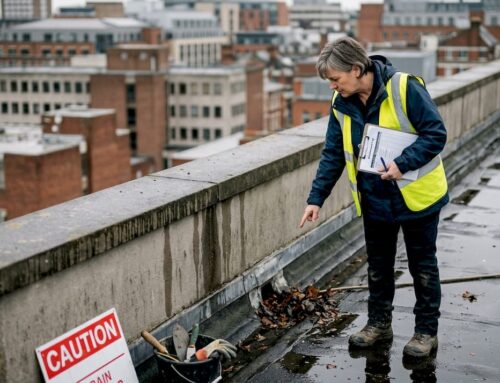
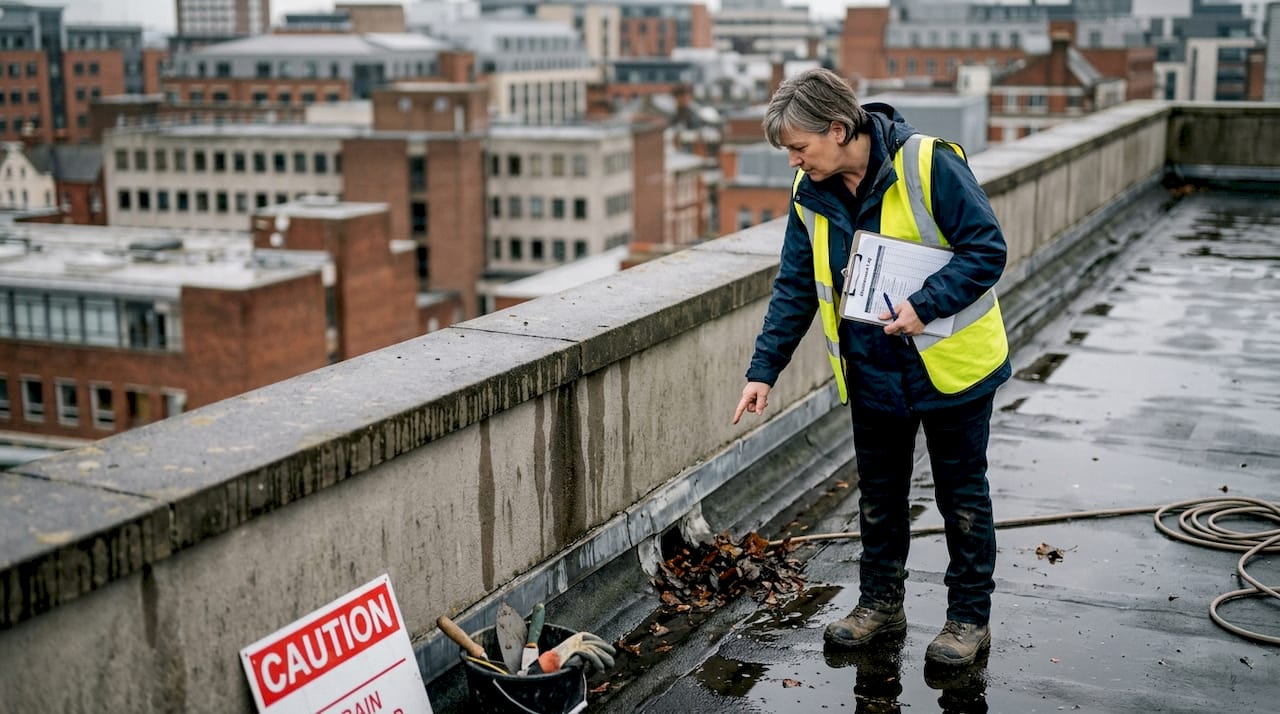
Before any gutter cleaning work begins, property managers should conduct a pre-cleaning visual inspection from ground level for debris buildup, sagging gutters, leaks, cracks, staining, and downpipe flow issues to identify problems early and plan access needs. This initial assessment reveals the scope of work required and helps you communicate specific concerns to cleaning contractors.
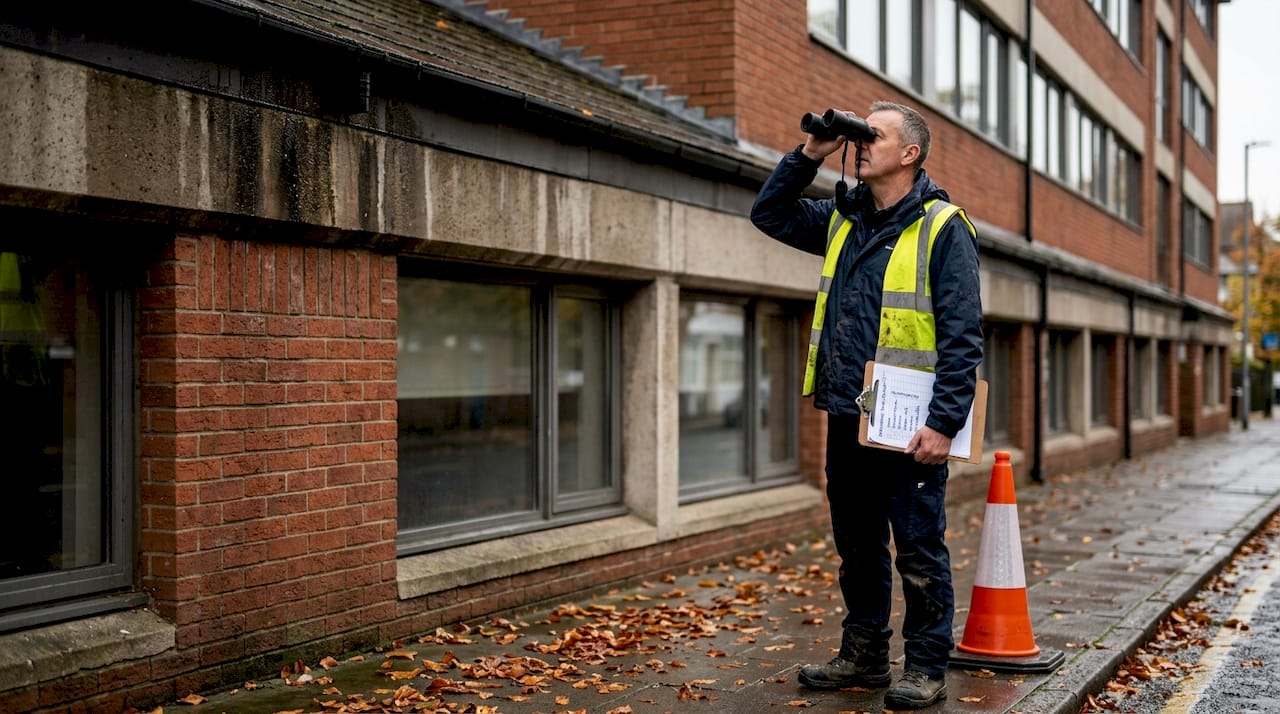
Start your inspection after severe weather events or at the beginning of each season, particularly before autumn leaf fall and after winter storms. Walk the building perimeter with binoculars to examine gutter lines for visible debris accumulation, sections pulling away from fascia boards, or areas where water has overflowed and stained exterior walls. These visual cues indicate blockages or structural problems requiring immediate attention.
Pay special attention to downpipe outlets and ground-level drainage points. Water pooling near building foundations suggests blocked downpipes that prevent proper water evacuation. Check for rust spots, cracks in joints, or separated sections that could worsen during cleaning if not addressed first. Note these issues in a gutter inspection checklist to ensure contractors tackle all problem areas.
Integrate gutter inspections with your annual roof maintenance programme to maximise efficiency. Whilst examining gutters, assess roof condition, flashing integrity, and potential debris sources like overhanging branches. This comprehensive approach helps you identify contributing factors to gutter blockages and plan preventative measures.
Document your findings with photographs and detailed notes about specific locations requiring repair or extra attention. This record serves multiple purposes: it provides contractors with precise information, establishes a baseline for comparing post-cleaning results, and creates documentation for maintenance compliance and insurance purposes.
Pro Tip: Schedule inspections on clear days with good visibility, and examine north-facing gutters closely as they receive less sunlight and tend to accumulate moss and organic growth faster than south-facing sections.
Prepare the site around the building for safe and efficient cleaning
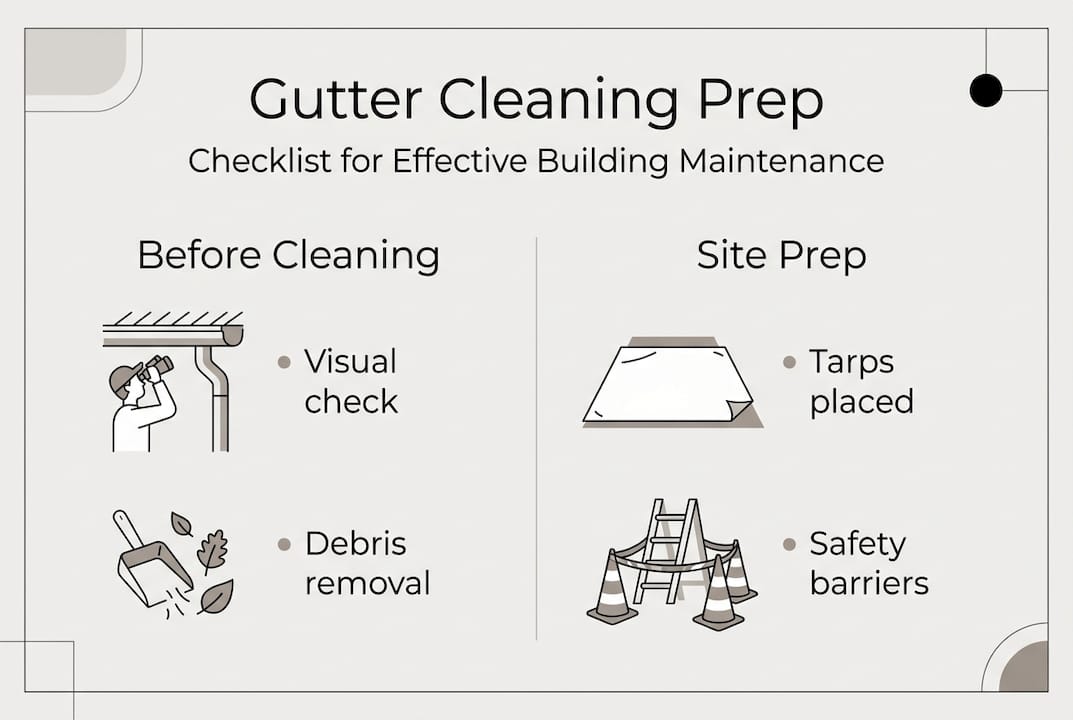
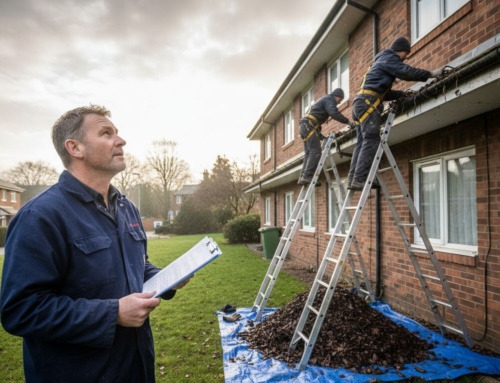
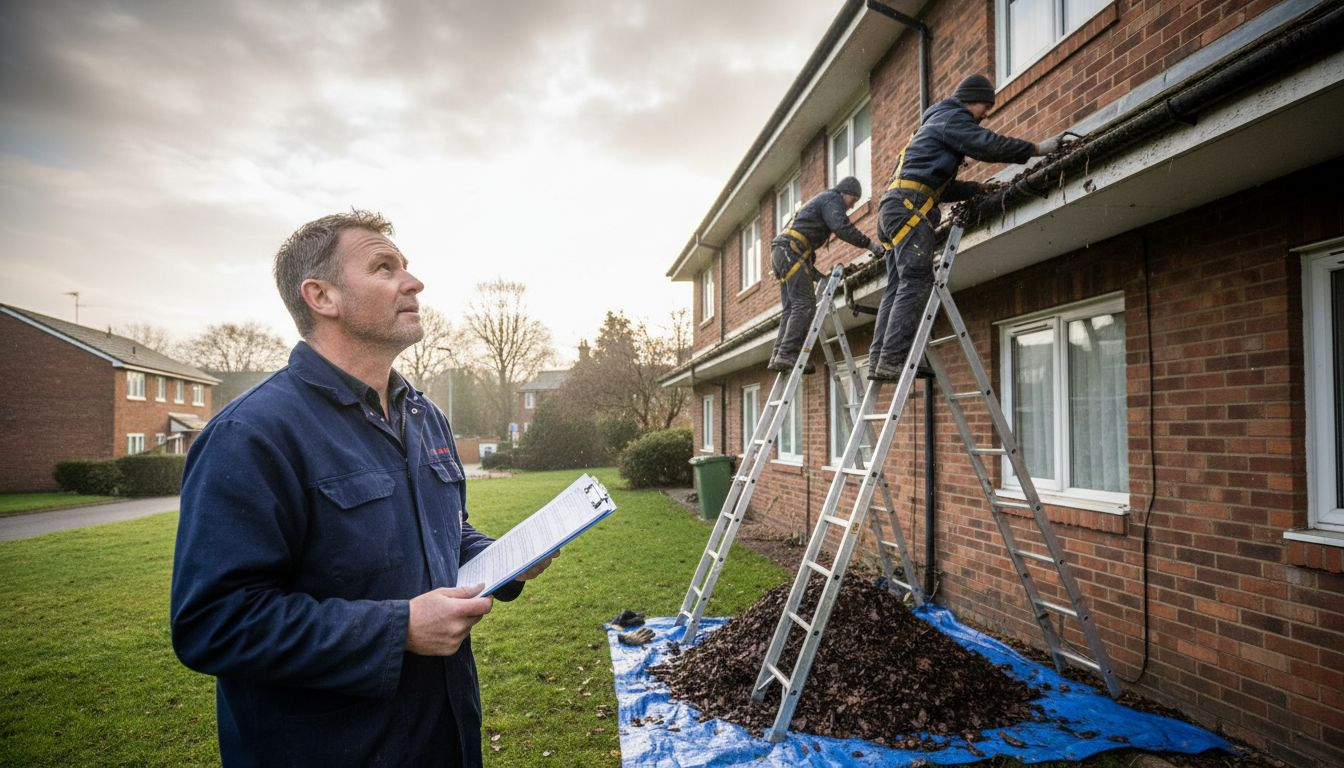
Once inspections confirm system condition, the focus moves to site preparation ensuring safety and effective debris management during the cleaning operation. Clear the site around the building base by removing obstacles, positioning tarps or debris bags for collection, setting up safety cones if near roads or public areas, and protecting landscaping or staging areas.
Begin by removing all movable objects from beneath gutter lines, including outdoor furniture, planters, bins, and equipment. This clearance allows debris to fall freely without damaging property or creating additional cleanup work. For items that cannot be relocated, cover them with waterproof sheeting secured against wind displacement.
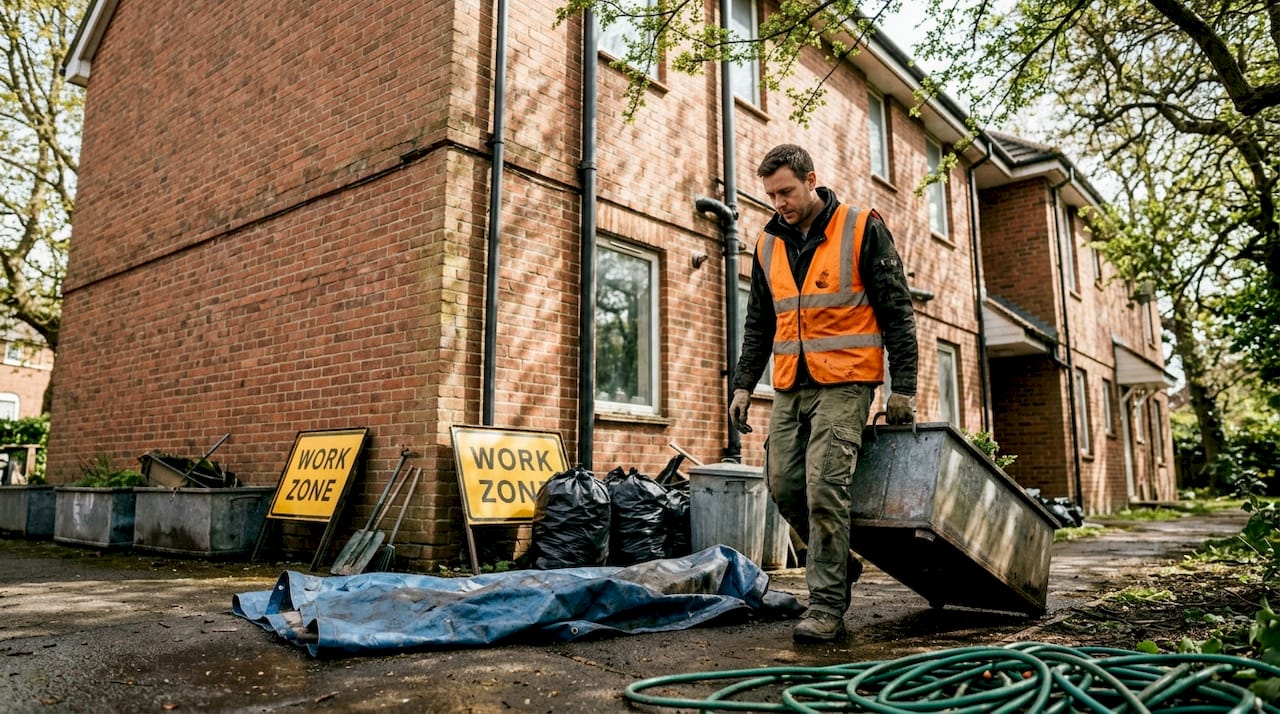
Position heavy-duty tarps or commercial debris collection bags strategically beneath work areas. These containment systems catch falling leaves, silt, and water, preventing mess on pavements and landscaping. For multi-storey buildings, stage collection points at each level where debris removal occurs to maintain organised workflow and minimise ground-level impact.
Establish clear safety perimeters using highly visible cones, barriers, or temporary fencing around work zones. This is particularly critical for properties adjacent to public footpaths, car parks, or active roadways. Adequate barriers protect pedestrians and vehicles from falling debris whilst alerting people to overhead work in progress.
Protect sensitive landscaping by covering flower beds, shrubs, and grass areas with breathable landscape fabric or plywood sheets. Gutter debris often contains concentrated organic matter and standing water that can smother or damage plants if left in contact for extended periods. Mark irrigation system components and outdoor lighting fixtures so cleaning teams avoid accidental damage.
Communicate maintenance schedules to building occupants, tenants, and neighbouring properties at least 48 hours in advance. Provide specific dates, expected duration, and any access restrictions or noise considerations. This courtesy reduces complaints and ensures cooperation when contractors need to access private balconies or restrict parking areas.
Pro Tip: Create designated staging areas for equipment and collected debris away from building entrances and high-traffic zones to maintain professional appearance and operational safety throughout the cleaning project.
Coordinate access logistics and safety protocols
After site preparation, this section builds on coordinating access and safeguarding all involved for a compliant and effective cleaning operation. Property managers should plan access needs early based on inspection findings and comply with safety regulations to protect workers and the public.
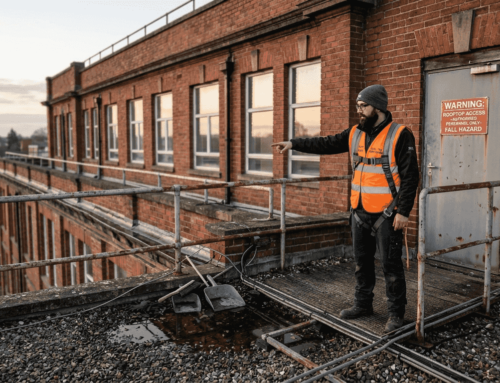
Selecting appropriate access equipment depends entirely on your building’s height, architectural features, and surrounding space constraints. For single-storey commercial units, stable extension ladders suffice with proper securing points. Two to four-storey buildings typically require mobile elevated work platforms or cherry pickers that provide safer, more efficient access than ladder work. Properties exceeding four storeys often necessitate scaffolding systems or rope access techniques performed by specially trained technicians.
Review current working-at-height regulations applicable to commercial properties in your jurisdiction. These standards mandate specific safety measures including fall protection systems, equipment inspection protocols, and operator certification requirements. Verify that your chosen contractor maintains current insurance coverage and employs properly trained personnel meeting regulatory standards.
Coordinate timing strategically to minimise disruption whilst ensuring optimal working conditions. Schedule gutter cleaning during periods of lower occupancy or outside peak business hours when possible. However, balance convenience against weather considerations as cleaning requires dry conditions for safety and effectiveness. Confirm equipment delivery times and ensure designated parking or staging areas remain accessible throughout the project duration.
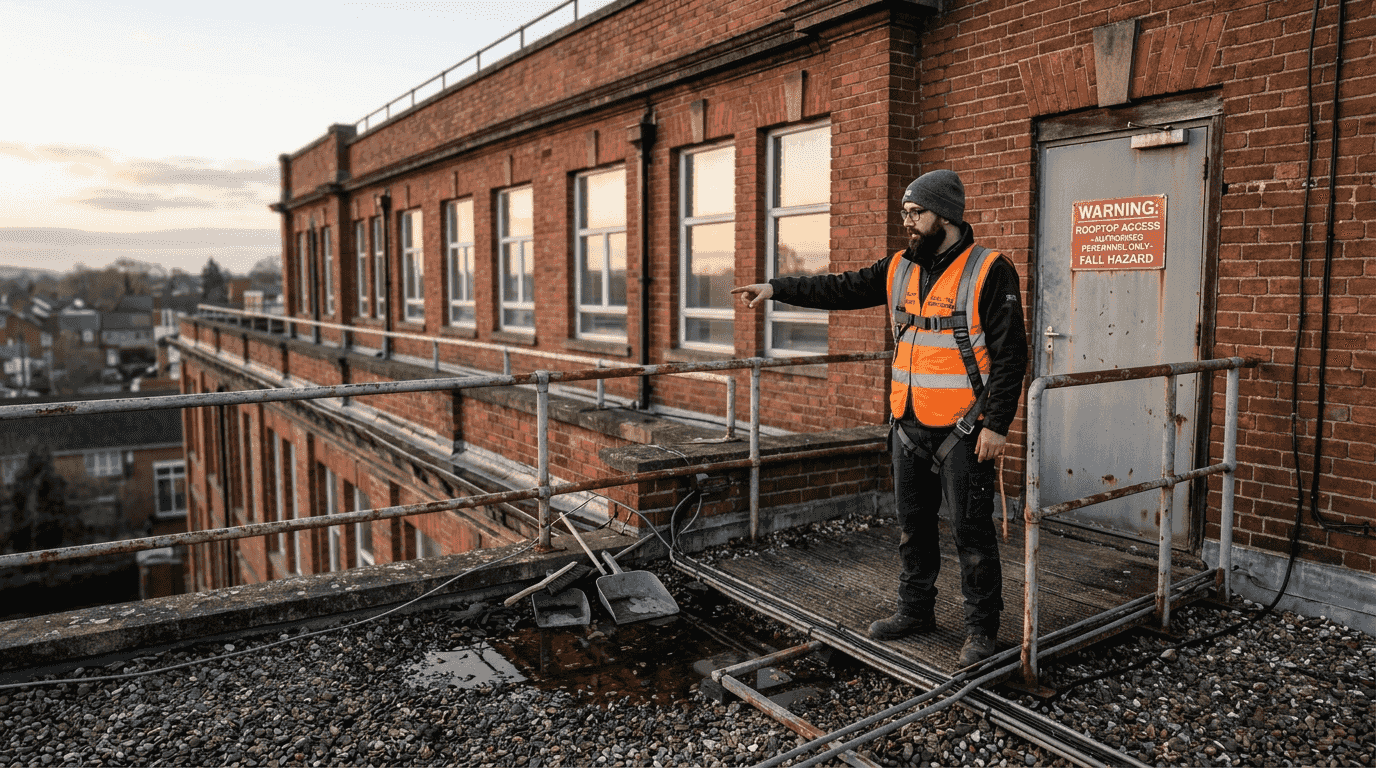
Establish clear communication channels between property management, cleaning contractors, and building occupants. Provide contractors with site-specific information including emergency procedures, restricted areas, and contacts for immediate issues. Ensure cleaning teams understand building security protocols, alarm systems, and access requirements for locked roof areas or utility spaces.
Implement comprehensive personal protective equipment requirements for all personnel involved in gutter maintenance. Minimum PPE includes hard hats, safety harnesses when working above two metres, non-slip footwear, high-visibility clothing, and protective gloves. For buildings near busy roads, consider additional traffic management measures and enhanced visibility gear.
Create restricted zones using physical barriers and clear signage indicating “Work in Progress” and “No Entry” to prevent unauthorised access beneath active work areas. Position spotters at ground level for tall buildings where overhead visibility is limited, ensuring pedestrian safety and coordinating equipment movements.
Pro Tip: Maintain a commercial gutter cleaning safety checklist covering pre-work equipment inspections, weather assessments, and emergency contact information readily available on-site throughout the maintenance operation.
Verify cleaning results and schedule future maintenance
Following cleaning execution, the final step involves confirming work quality and planning future upkeep to maintain building protection. Thorough verification ensures you receive the service quality contracted whilst identifying any remaining issues requiring attention.
Conduct a comprehensive walk-around inspection immediately after contractors complete their work. Examine gutter lines for visible debris removal, checking that downpipe outlets are clear and water can flow freely through the system. Look inside accessible gutter sections to confirm thorough cleaning rather than surface-level debris removal. This hands-on verification provides assurance that hidden blockages have been addressed.
Test drainage functionality during the next rainfall event or by running water through the system with a hose. Observe water flow from multiple downpipes simultaneously, watching for proper volume and speed. Sluggish drainage or overflow at joints indicates remaining blockages or structural problems needing immediate attention. Document flow rates and any problem areas with dated photographs for maintenance records.
Inspect for any new damage that may have occurred during cleaning, though professional contractors should avoid causing harm. Check fascia board attachments, gutter brackets, and joint seals for loosening or separation. Address minor issues promptly before they develop into costly repairs requiring emergency intervention.
Annual roof inspection integration helps identify gutter issues timely and planning routine maintenance enhances building protection. Establish a seasonal maintenance schedule tailored to your property’s specific needs and environmental factors.
| Maintenance Task | Frequency | Timing |
|---|---|---|
| Visual inspection | Quarterly | After each season change |
| Professional cleaning | Twice yearly | Spring and autumn |
| Downpipe flushing | Bi-annually | Following cleaning |
| Structural assessment | Annually | During roof inspection |
| Emergency clearing | As needed | After severe storms |
Coordinate with professional services for follow-up visits and ongoing maintenance contracts. Regular service agreements often provide cost savings compared to ad-hoc bookings whilst ensuring priority scheduling during peak demand periods. Discuss customised maintenance plans that address your property’s unique requirements including access challenges, debris volume, and budget constraints.
Maintain detailed maintenance records including inspection reports, cleaning dates, repairs completed, and contractor information. These documents prove invaluable for insurance claims, building surveys, and demonstrating compliance with property management standards. Digital record systems with photograph attachments provide easily accessible documentation for stakeholders and regulatory inspections.
Pro Tip: Schedule your next cleaning appointment immediately after verifying current work completion to secure preferred dates and maintain consistent maintenance intervals that prevent system deterioration.
Ensure expert gutter cleaning with local professional services
Thorough preparation sets the foundation for successful gutter maintenance, but partnering with experienced professionals ensures optimal results for your commercial property. Specialist contractors bring dedicated equipment, trained personnel, and comprehensive insurance coverage that protects your investment whilst delivering superior cleaning outcomes.
Professional gutter cleaning services in Greenwich and surrounding regions understand the unique challenges of maintaining multi-storey buildings and blocks of flats. These experts possess specialised access equipment suitable for various building heights and architectural configurations, ensuring safe, efficient service delivery without compromising quality. Their familiarity with commercial property requirements means they navigate site-specific constraints whilst maintaining compliance with health and safety regulations.
Experienced contractors recognise why gutter cleaning matters for building longevity and can identify developing problems before they escalate into expensive repairs. Their trained eye spots early warning signs of system failure, enabling proactive maintenance that protects your property investment. Understanding seasonal gutter cleaning importance ensures they recommend optimal service timing tailored to your location’s climate patterns and vegetation cycles. Contact trusted local professionals today to discuss customised maintenance programmes that keep your gutters functioning flawlessly year-round.
Frequently asked questions
How often should gutters be inspected before cleaning?
Conduct visual inspections quarterly at minimum, with additional checks after severe weather events or storms. Properties surrounded by mature trees benefit from monthly inspections during autumn when leaf fall peaks. Seasonal transitions warrant thorough assessments to identify accumulated debris and plan cleaning schedules accordingly.
What safety measures are critical during gutter maintenance?
Working-at-height regulations require proper access equipment, fall protection systems, and trained operators for commercial properties. Establish exclusion zones beneath work areas, ensure adequate PPE for all personnel, and maintain clear communication protocols. Weather conditions must be suitable with dry surfaces and wind speeds below safety thresholds.
Can landscaping be protected effectively during gutter cleaning?
Yes, cover sensitive plants and grass areas with breathable landscape fabric or plywood sheets before work begins. Position debris collection systems to catch falling material before it contacts landscaping. Professional contractors use controlled debris removal techniques that minimise ground impact and protect your property’s exterior appearance.
What are signs gutters need urgent repair?
Sagging sections, visible cracks or holes, water staining on exterior walls, and pooling near foundations indicate urgent problems. Separated joints, loose brackets, or rust perforation compromise system integrity and require immediate attention. Overflowing during moderate rainfall despite recent cleaning suggests structural failure rather than simple blockage.
How to choose the right professional gutter cleaning service?
Verify contractors maintain comprehensive insurance, employ trained personnel, and use appropriate access equipment for your building height. Request references from similar commercial properties and confirm their understanding of working-at-height regulations. Evaluate their maintenance programmes, emergency response capabilities, and willingness to provide detailed service documentation for your records.
Leave A Comment