
Clogged gutters, corroded brackets, and leaks are not simply maintenance annoyances—they can be the starting point for major building headaches. For property managers overseeing commercial spaces in cities from London to New York, understanding gutter defects is crucial to protecting assets and keeping tenants satisfied. This overview explains how failures in gutter systems impact waterproofing and structural safety, helping you spot problems early and avoid costly surprises.
Table of Contents
- Defining Gutter Defects In Commercial Buildings
- Types Of Gutter Defects And Key Causes
- Signs, Consequences, And Building Impact
- Legal Duties And Liability For Property Managers
- Preventing Gutter Defects And Common Pitfalls
Key Takeaways
| Point | Details |
|---|---|
| Understanding Gutter Defects | Gutter defects include structural failures that compromise drainage systems, leading to potential water damage and mould growth. Recognising these defects early is essential for effective management. |
| Maintenance is Crucial | Regular inspections and preventative maintenance are vital in identifying issues before they escalate into costly repairs. Documenting conditions helps demonstrate due diligence. |
| Know Your Legal Obligations | Property managers must adhere to building codes that mandate proper gutter functionality to avoid liabilities related to tenant safety and health. Timely action on defects is legally required. |
| Cost of Neglect | Proactive maintenance costs significantly less than repairs following neglect, making it financially prudent to invest in regular gutter upkeep to protect building integrity. |
Defining Gutter Defects in Commercial Buildings
Gutter defects are structural or functional failures in the drainage systems that protect your building’s envelope from water damage. Unlike minor maintenance issues, defects represent departures from intended performance that compromise the building’s waterproofing and structural integrity.
According to building standards, gutter systems comprise multiple components—not just the channels themselves, but also the straps, brackets, joints, and fasteners that hold everything together. A defect in any single component can trigger cascading failures throughout the entire system.
Key Components That Fail
Property managers need to understand which parts typically malfunction:
- U-shaped channels: Collect and direct roof water; deterioration reduces capacity
- Fastening systems: Straps and brackets keep gutters aligned; corrosion causes separation from the building
- Joint seals: Connect gutter sections; failure allows water to bypass drainage entirely
- Downspout connections: Transfer water away from the building; blockages or disconnections redirect water into wall cavities
What Constitutes a Defect
Not every gutter problem is a defect. Common gutter defects in building enclosures include failures that prevent the system from managing water drainage and maintaining waterproofing according to national construction codes.
A defect exists when your gutter system cannot:
- Withstand environmental loads like wind and ice accumulation
- Handle the volume of water from rainfall and snowmelt
- Support its own weight plus debris without sagging or pulling away
- Maintain water-tight joints that prevent interior penetration
- Secure fasteners that prevent movement or separation
Why This Matters for Your Building
Defects rarely stay isolated. Water that escapes a failing gutter infiltrates cavity walls, damages insulation, corrodes internal structures, and creates conditions for mould growth. For multi-unit or commercial properties, this means expensive remediation, tenant complaints, and potential liability claims.
Your role as property manager involves identifying when a gutter problem crosses the threshold from maintenance into defect territory. A few blocked leaves requires cleaning; systematic sagging, visible separation, or persistent internal dampness indicates a structural defect requiring professional assessment.
Pro tip: Document gutter conditions annually with dated photographs, noting any visible separation, rust stains, or water marks on exterior walls—this evidence proves due diligence if defects are later discovered and helps contractors understand the problem’s progression.
Types of Gutter Defects and Key Causes
Gutter defects fall into distinct categories, each with different origins and consequences. Understanding these types helps you recognise problems early before they escalate into costly structural damage.
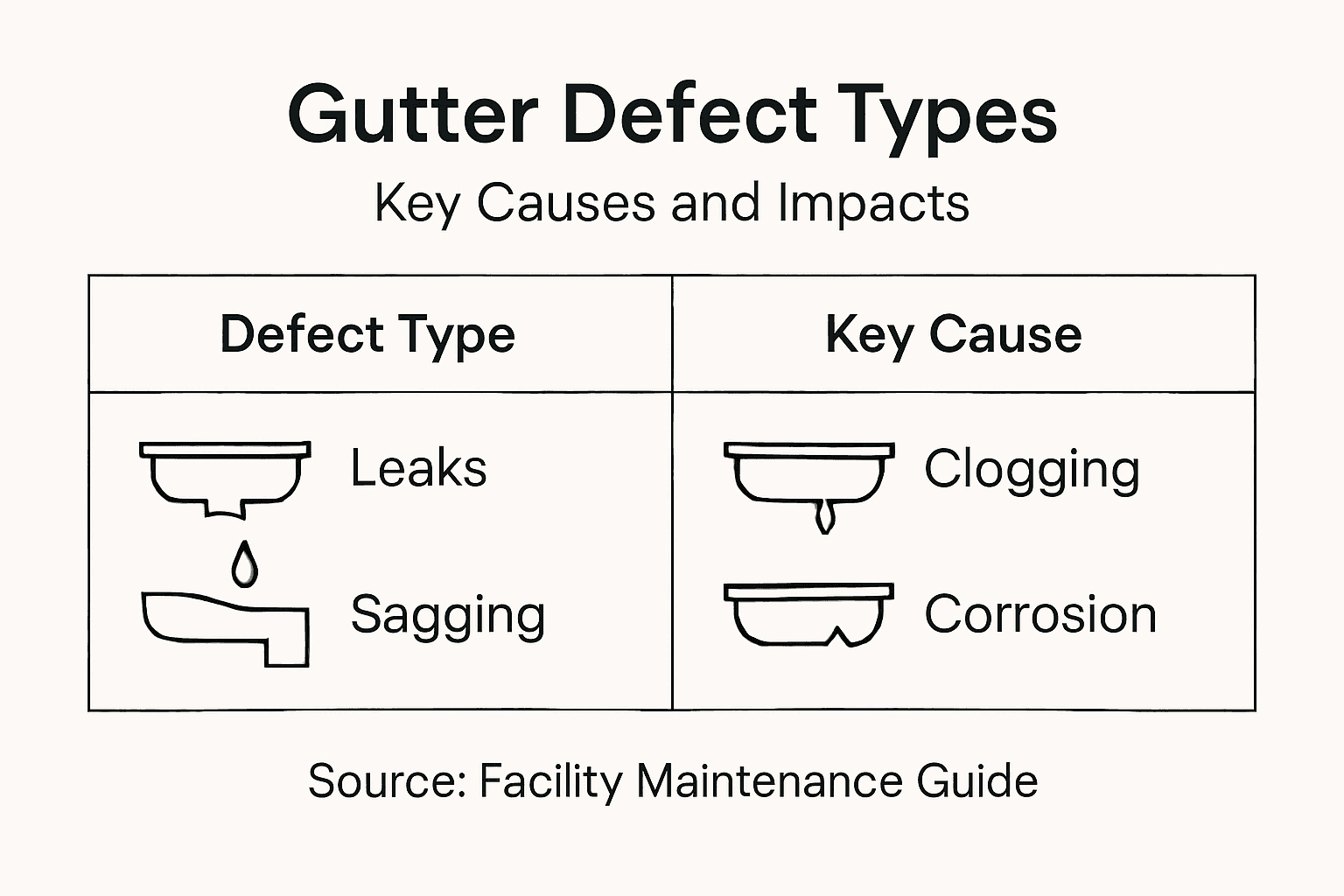
The most common gutter defects include leaks, clogs, corrosion, and improper slope. Each type stems from different root causes, which means your response strategy must match the specific problem you’re facing.
Structural and Installation Defects
These defects originate during construction or result from poor installation practices:
- Incorrect slope: Gutters installed without adequate pitch (typically 0.5 inches per 10 feet) create water pooling zones where debris accumulates and water stagnates
- Inadequate support: Insufficient brackets or straps mean gutters sag under their own weight, snow load, or debris buildup
- Poor joint alignment: Mismatched sections allow water to escape at connection points rather than flowing toward downspouts
- Improper downspout placement: Outlets positioned too far from the building foundation allow water to infiltrate near structural supports
Material Deterioration Defects
Corrosion stands as the most destructive long-term problem. Metal gutters exposed to moisture, salt air, or incompatible materials develop rust that compromises structural integrity. Design flaws and material deterioration often interact—aluminium gutters installed adjacent to copper flashings create galvanic corrosion that accelerates failure.
Common material-related defects:
- Rust perforation creating small holes that leak water
- Seam separation where metal fatigue causes joint failure
- Paint failure exposing bare metal to weathering
- Freeze-thaw damage in climates with winter cycles
Functional Defects from Maintenance Neglect
Clogged gutters represent the most common defect type. Debris buildup—leaves, twigs, moss—blocks water flow, forcing overflow that damages fascia boards, soffit, and walls. This leads to cascading failures: standing water accelerates corrosion, ice dams form in winter, and water penetrates cavity walls.
Blocked gutters create standing water within days of heavy rainfall, transforming a maintenance issue into structural damage within weeks.
Other functional defects include loose fasteners that allow movement, separation from the building face, and damaged downspouts that discharge water directly into wall cavities.
Environmental and External Damage
Your building’s location affects defect risk. Coastal properties face accelerated corrosion from salt spray. Properties beneath trees experience excessive debris loading. High-wind zones stress fastening systems and cause impact damage from flying debris.
Construction errors and environmental exposure compound when gutters lack protective coatings or proper maintenance schedules.
Here is a summary of gutter defect types and their primary long-term implications:
| Defect Type | Typical Origin | Main Long-term Impact |
|---|---|---|
| Structural/Installation | Poor build or alignment | Water pooling, sagging |
| Material Deterioration | Age or incompatible metals | Corrosion, joint failure |
| Functional (Neglect) | Blocked by debris, lack of maintenance | Overflow, internal leaks |
| Environmental/External | Salt air, high winds | Accelerated corrosion, damage |
Pro tip: Schedule gutter inspections twice yearly—once in spring after winter stress and once in autumn before debris season—to catch defects before they progress beyond simple cleaning into structural repairs requiring specialist intervention.
Signs, Consequences, and Building Impact
Gutter defects announce themselves through visible warning signs. Your job as property manager involves recognising these indicators before they trigger expensive structural damage or tenant issues.
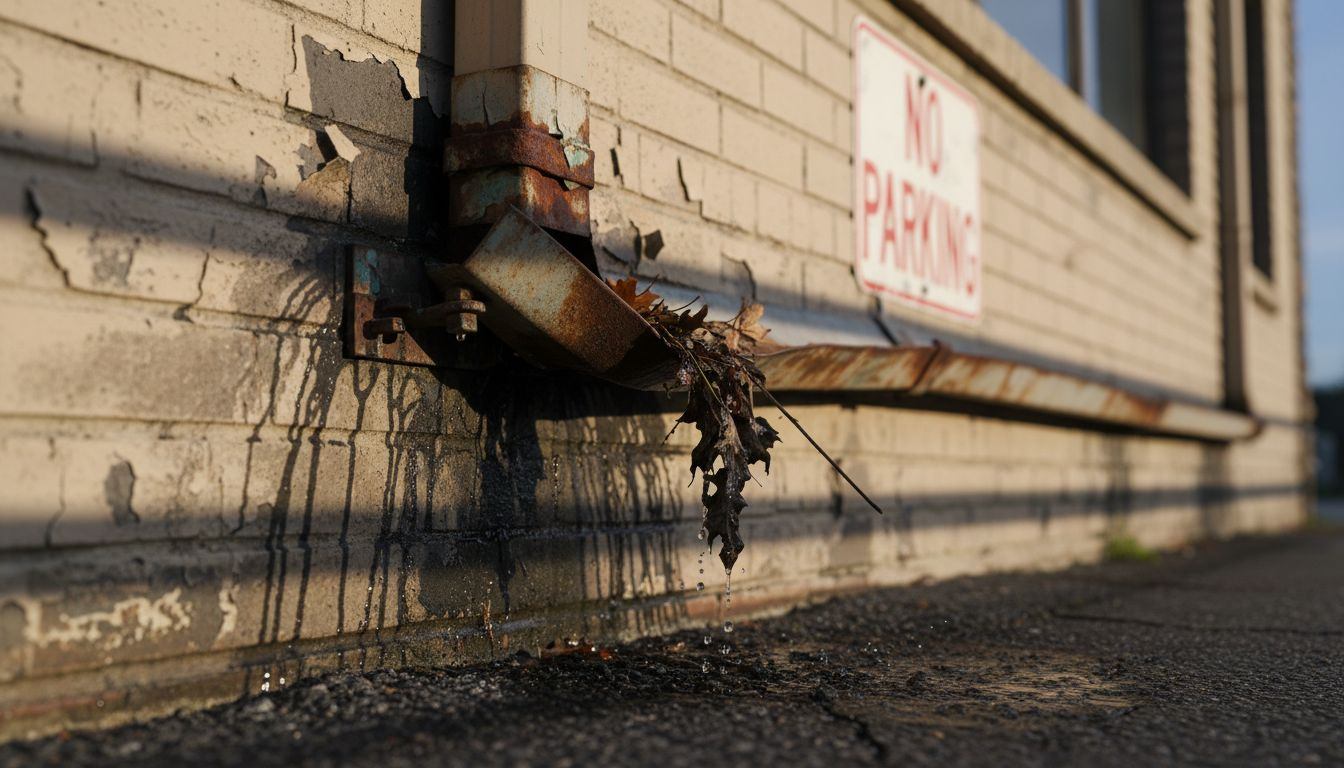
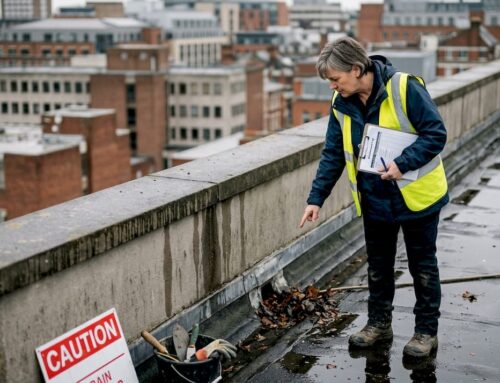
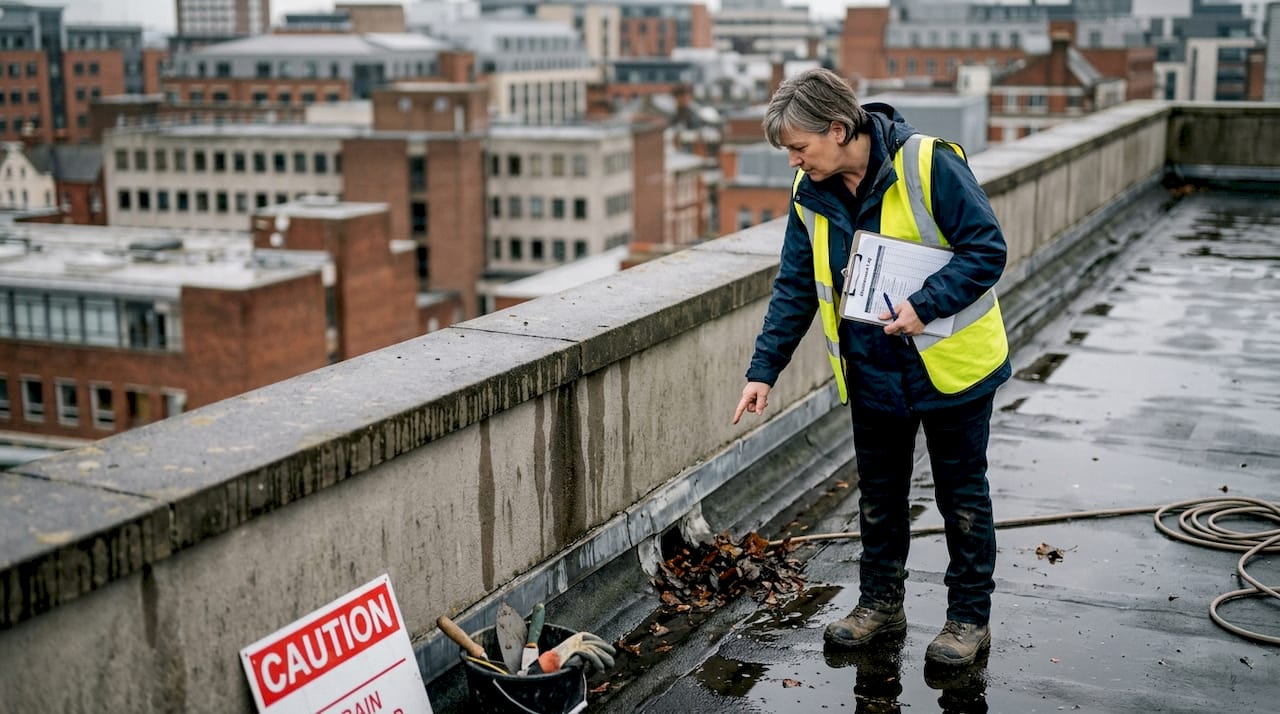
Visible signs include water staining on exterior walls, overflow during rainfall, and corroded fasteners. You might also notice sagging gutters that pull away from the building edge, or damp patches appearing on interior walls below the roofline.
Immediate Visible Indicators
Look for these physical signs during routine inspections:
- Water overflow: Water cascades past gutter edges instead of flowing into downspouts during rain
- Visible rust and corrosion: Orange, brown, or black discolouration on metal gutters indicates advanced deterioration
- Separation from fascia: Gaps between gutter and building edge show fastening failure
- Sagging or deformed sections: Gutters bow downward under weight, creating collection points
- Debris accumulation: Leaves, twigs, and moss block water flow within days of autumn or wind events
Consequences Within Building Envelopes
Water that escapes failing gutters infiltrates building cavities, triggering a cascade of damage. Moisture ingress leads to mould growth, wood rot, and compromised structural elements that weaken the entire building framework over time.
Tenants experience damp interior walls, peeling wallpaper, and musty odours. Insulation becomes saturated, reducing thermal efficiency and driving up heating costs. Structural timber rots from persistent moisture exposure, eventually requiring replacement rather than repair.
Health and Safety Risks
Mould growth presents the most immediate occupant health risk. Spores trigger respiratory issues, allergies, and asthma attacks, particularly in vulnerable populations. You face potential liability claims if tenants suffer health consequences from preventable mould caused by gutter failure.
Structural compromise poses safety hazards. Weakened fascia boards, soffit damage, and corroded supports can fail without warning. In extreme cases, water penetration compromises roof structure integrity, creating collapse risks during heavy snow load or storms.
Unaddressed gutter defects accelerate building deterioration exponentially, transforming minor maintenance into major structural crises within 12-24 months.
Financial and Reputational Impact
Repair costs escalate dramatically with delay. A £500 gutter cleaning and minor repair prevents the £5,000+ cavity wall remediation that follows water infiltration. Mould remediation, structural repairs, and tenant compensation claims multiply expenses exponentially.
Tenant satisfaction suffers. Damp properties generate complaints, poor reviews, and vacancy risks. Property valuations decline when building surveys reveal water damage or structural defects linked to gutter failure.
Pro tip: Photograph any visible gutter defects and document rainfall dates when overflow occurs; this evidence demonstrates due diligence to insurers and protects you against claims that defects resulted from management negligence.
Legal Duties and Liability for Property Managers
Your legal responsibilities as a property manager extend beyond tenant satisfaction—they encompass strict statutory obligations to maintain safe, code-compliant buildings. Gutter defects expose you to significant liability if you fail to act.
Building codes universally require property managers to maintain guttering systems that prevent water infiltration and protect structural integrity. Failure to address building defects could result in breaches of building codes and expose you to liability for tenant damage or injury.
Your Core Legal Obligations
Property managers hold specific duties under building regulations and landlord-tenant law:
- Maintain safe premises: Gutters must function properly to prevent water damage, mould, and structural hazards
- Comply with building codes: National construction codes mandate proper gutter installation, slope, and maintenance standards
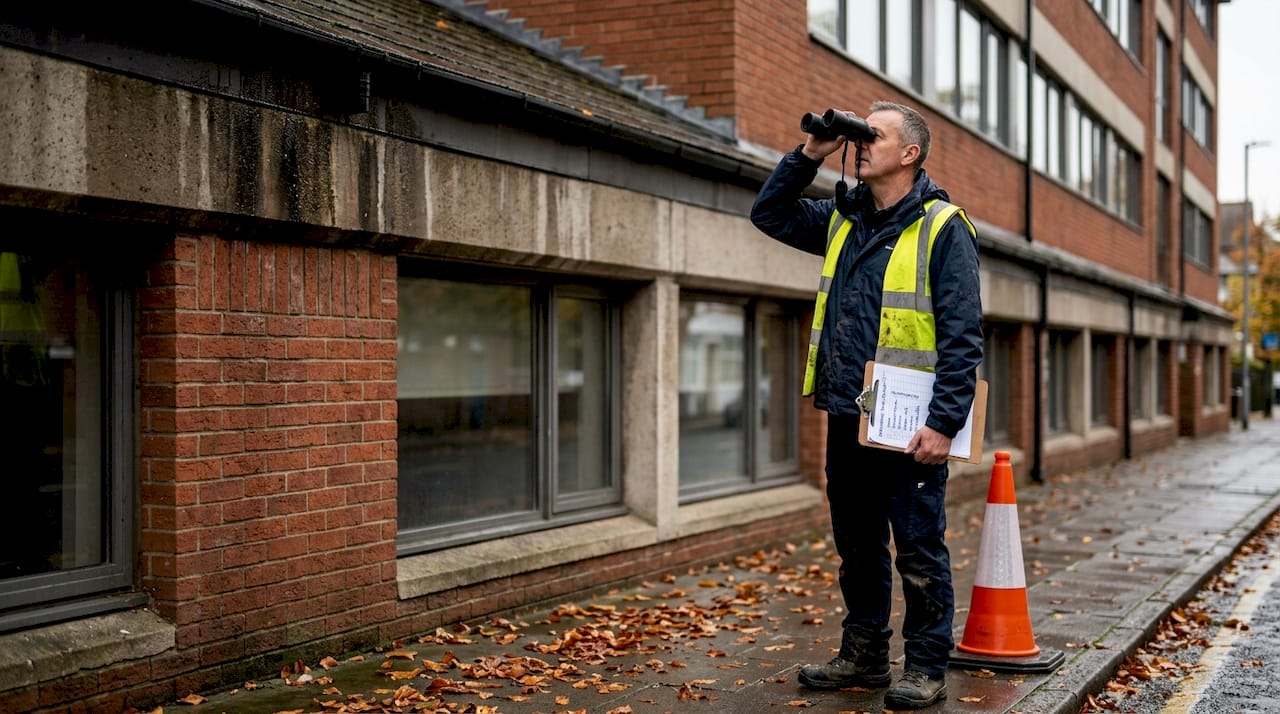
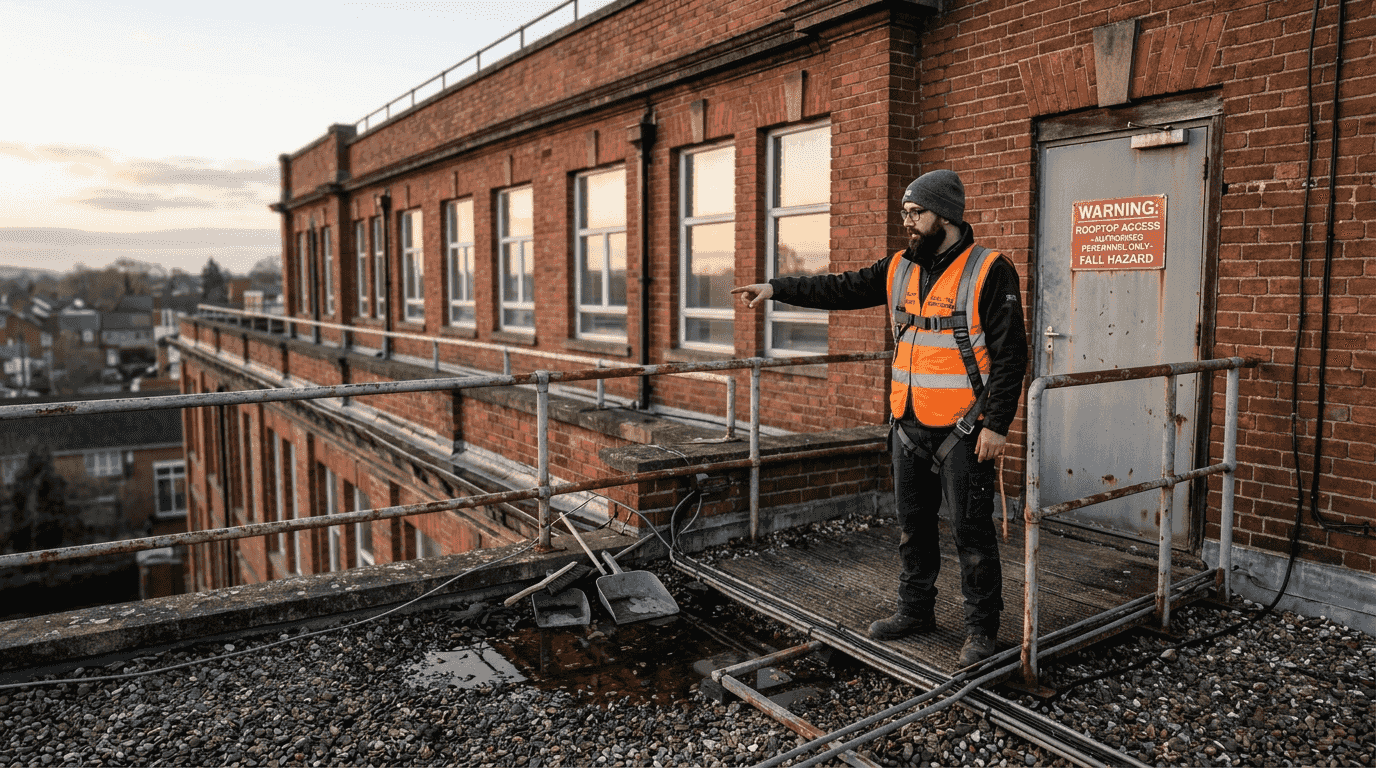
- Perform regular inspections: Documented inspections demonstrate due diligence and identify defects before they cause damage
- Act promptly on defects: Ignoring known gutter problems constitutes negligence, voiding insurance coverage in some cases
- Document all maintenance: Records prove you’ve met statutory obligations if disputes arise later
Liability Exposure and Financial Risk
Tenant claims represent your primary liability concern. If dampness caused by gutter failure triggers mould that injures a tenant’s health, you face legal action for breach of the warranty of habitability. Medical costs, lost wages, and pain-and-suffering damages can reach five or six figures.
Insurance non-coverage creates catastrophic exposure. Many policies exclude damage resulting from neglected maintenance. If you ignored obvious gutter problems, insurers may deny your claim entirely, forcing you to pay remediation costs personally.
Documented neglect of known gutter defects transforms preventable maintenance into personal liability that insurance won’t cover.
Structural Liability and Building Code Violations
Legal accountability ties directly to water damage and building code non-compliance. Regulatory bodies can issue compliance notices, impose fines, or force costly remediation at your expense.
Potential consequences include:
- Building control violation notices requiring expensive remediation
- Mandatory repairs halting rental income during work periods
- Reduced property valuations affecting refinancing or sale prospects
- Loss of management contracts if defects cause tenant harm
Demonstrating Due Diligence
Protect yourself legally by establishing clear maintenance protocols. Schedule inspections before seasonal weather (spring and autumn), document findings with photographs, and retain records for at least seven years.
When defects appear, act immediately. Obtain professional assessments, issue repair notices to property owners, and track completion dates. This documentation demonstrates reasonable care if liability questions arise later.
Pro tip: Create a legally binding maintenance log template requiring dated entries, defect photographs, inspection dates, and contractor completion certificates—this evidence proves due diligence and protects you against claims of negligent property management.
Preventing Gutter Defects and Common Pitfalls
Prevention beats remediation every single time. A structured maintenance approach costs a fraction of the emergency repairs triggered by neglected gutters. Your role involves establishing systems that catch problems before they become expensive crises.
Regular inspections form the foundation of prevention. Avoiding common gutter cleaning mistakes requires understanding what damage to watch for during routine assessments. Most defects develop gradually, giving you a window to intervene before structural compromise occurs.
Establish a Preventative Maintenance Schedule
Create a documented inspection and maintenance routine that protects your buildings:
- Autumn inspections: Check for leaf and debris accumulation after trees shed; clear gutters before winter weather arrives
- Spring inspections: Assess winter damage—ice buildup, wind damage, or separation from freeze-thaw cycles
- Post-storm checks: Inspect after heavy rainfall or wind events for overflow, separation, or visible damage
- Document everything: Photograph conditions, note debris levels, and record any defects discovered
- Keep records: Retain inspection logs for seven years to demonstrate due diligence
Key Prevention Strategies
Your maintenance approach should address the most common failure points. Install gutter guards where debris loading is heavy—properties beneath mature trees or in coastal areas benefit significantly from protective systems that reduce blockage frequency.
Ensure proper water management by confirming downspouts direct water at least 1.5 metres from the building foundation. Water pooling near structural supports accelerates deterioration and increases infiltration risk.
Monitor fastening systems regularly. Tighten loose brackets, replace corroded straps, and check for separation from the building edge. Small movements indicate approaching failure—address them immediately.
Use this table to compare proactive maintenance with reactive repairs for property managers:
| Approach | Typical Annual Cost | Risk of Major Repair | Effect on Building Value |
|---|---|---|---|
| Proactive (Planned) | £100-£200 | Very low | Maintains/increases |
| Reactive (Delayed) | £3,000-£15,000+ | High | Reduces due to defects |
Prevention costs £100-200 annually; remediation costs £5,000-15,000. The mathematics favour proactive maintenance every time.
Common Pitfalls That Damage Gutters
Avoid these mistakes that accelerate defect development:
- Delaying cleaning—debris buildup doubles weight stress within weeks
- Using improper tools—pressure washers damage joints and sealants
- Ignoring minor leaks—small holes expand rapidly under water pressure
- Neglecting downspout maintenance—blocked outlets force overflow
- Installing incompatible materials—mixing copper and aluminium creates corrosion
- Skipping winter inspections—ice dams cause separation and structural damage
When you discover defects, act immediately. Professional assessment costs £150-300 but prevents the £3,000+ repair bills that follow delayed action.
Pro tip: Use a simple spreadsheet to track inspection dates, defects found, contractors engaged, and completion dates—this automated record-keeping system proves due diligence whilst creating data showing defect patterns that guide preventative priorities.
Protect Your Commercial Property from Gutter Defects Today
Gutter defects like sagging, corrosion, and blocked downspouts can escalate quickly into costly water damage and mould problems that threaten your building’s structure and tenant health. As highlighted in our guide to gutter defects, regular inspection and professional maintenance are essential to prevent these risks and comply with your legal duties as a property manager. Ignoring gutter issues could not only increase repair bills but also expose you to serious liability claims.
Take control of your property’s safety by scheduling expert gutter cleaning and maintenance with Local Gutter Cleaner. Our specialised service for blocks of flats and commercial buildings targets the precise problems discussed in “Gutter Defects Explained: Risks for Managers”. Act now to avoid expensive structural repairs and protect your building’s value. Visit https://local-guttercleaner.co.uk to book your inspection and safeguard your investment with our trusted solutions.
Frequently Asked Questions
What are the main signs of gutter defects?
Visible indicators of gutter defects include water overflow during rainfall, corrosion or rust on the gutters, separation from the fascia, sagging or deformed sections, and accumulation of debris.
How can I identify if a gutter problem is a serious defect?
A gutter problem is likely a serious defect if you observe systematic sagging, visible separation from the building, or persistent dampness on internal walls, indicating structural failure that requires professional assessment.
What are the common causes of gutter defects in commercial buildings?
Common causes of gutter defects include poor installation practices, material deterioration (such as corrosion), functional neglect (like clogs), and environmental damage from factors like heavy winds or excessive debris accumulation.
Why is regular maintenance crucial for preventively managing gutter defects?
Regular maintenance is essential as it helps identify and address minor issues before they escalate into major structural problems, preventing expensive repairs and minimising risks of water damage and tenant complaints.

[…] protocols that address both immediate hazards and long-term structural integrity. Understanding gutter defects and their risks enables proactive intervention before minor issues escalate into major liabilities. The importance […]
[…] Gutter Defects Explained: Risks for Managers […]
[…] gutter defects explained managers helps property managers interpret survey findings effectively. Surveys deliver actionable […]