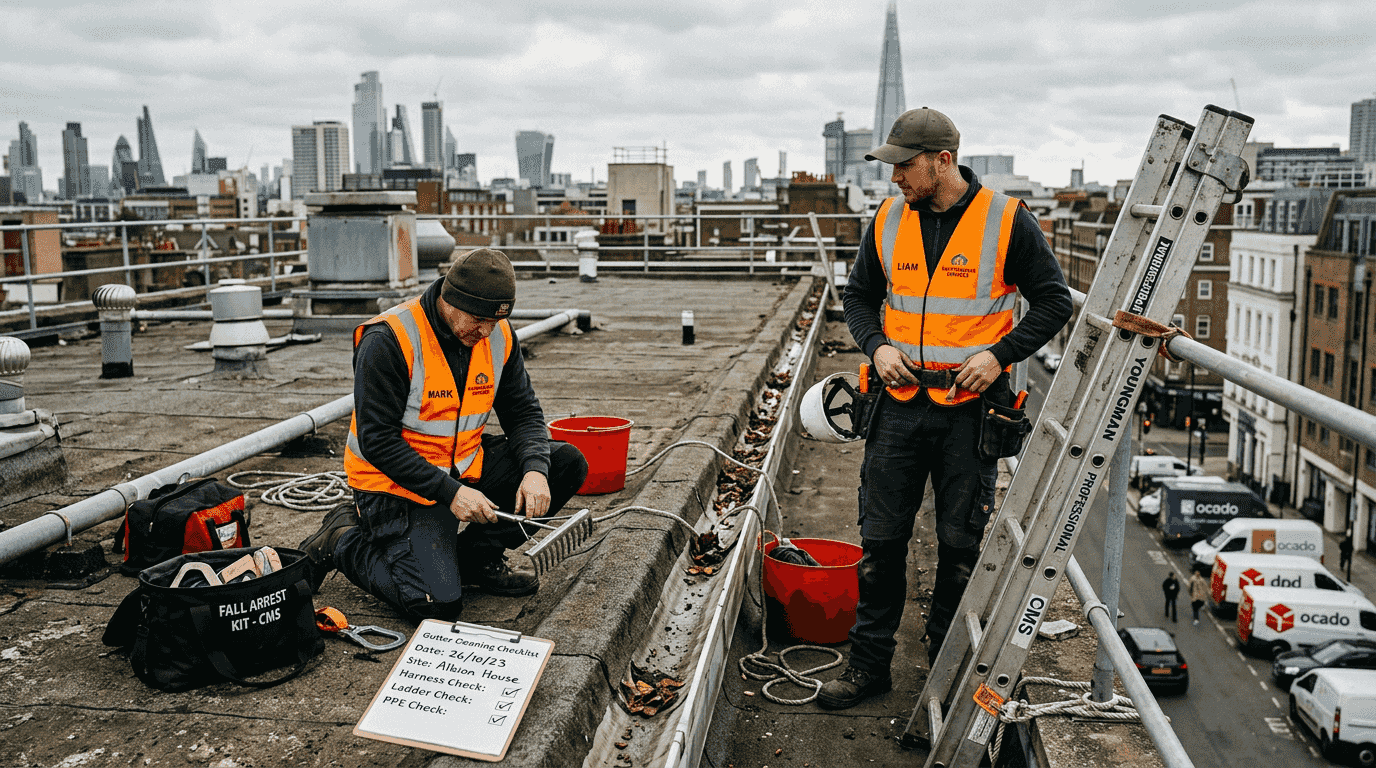
Managing commercial properties means confronting serious risks that many overlook until disaster strikes. Blocked gutters cause water damage costing thousands in repairs, whilst falls during cleaning remain the leading cause of workplace injuries in building maintenance. Property managers responsible for blocks of flats and commercial buildings need a systematic approach to protect workers, tenants, and assets. This comprehensive safety checklist equips you with proven strategies to prevent accidents, ensure regulatory compliance, and maintain building integrity throughout 2026.
Table of Contents
- Prepare For Safe Gutter Cleaning On Commercial Properties
- Execute Gutter Cleaning Safely With Best Practices
- Verify Gutter Cleaning Safety And Property Protection Post-Service
- Professional Commercial Gutter Cleaning Services To Ensure Safety And Compliance
Key takeaways
| Point | Details |
|---|---|
| Prevention saves money | Regular gutter cleaning prevents severe building damage and costly emergency repairs |
| Falls dominate risks | Falls from heights account for the majority of gutter cleaning injuries in commercial settings |
| Equipment matters critically | Proper safety equipment and worker training reduce fall risks by over 85% |
| Checklists ensure compliance | Structured safety protocols guarantee regulatory adherence and protect your workforce |
| Professionals add value | Expert cleaning services enhance safety outcomes whilst reducing liability exposure |
Prepare for safe gutter cleaning on commercial properties
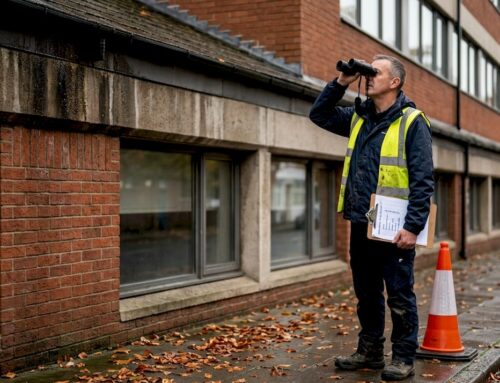
Successful gutter maintenance begins long before anyone climbs a ladder. Property managers must identify every potential hazard across their buildings, from fragile roof panels to unprotected edges where falls occur. Inadequate building management contributes significantly to damage that could have been prevented through proper planning. Your preparation phase determines whether cleaning proceeds safely or becomes a liability nightmare.
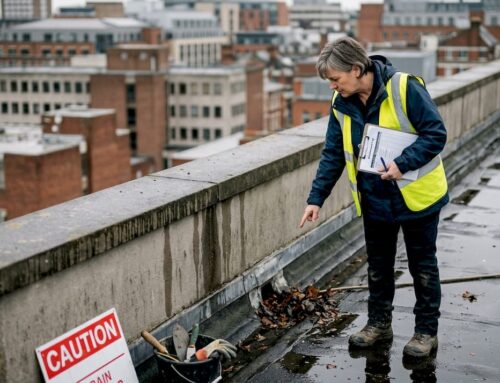
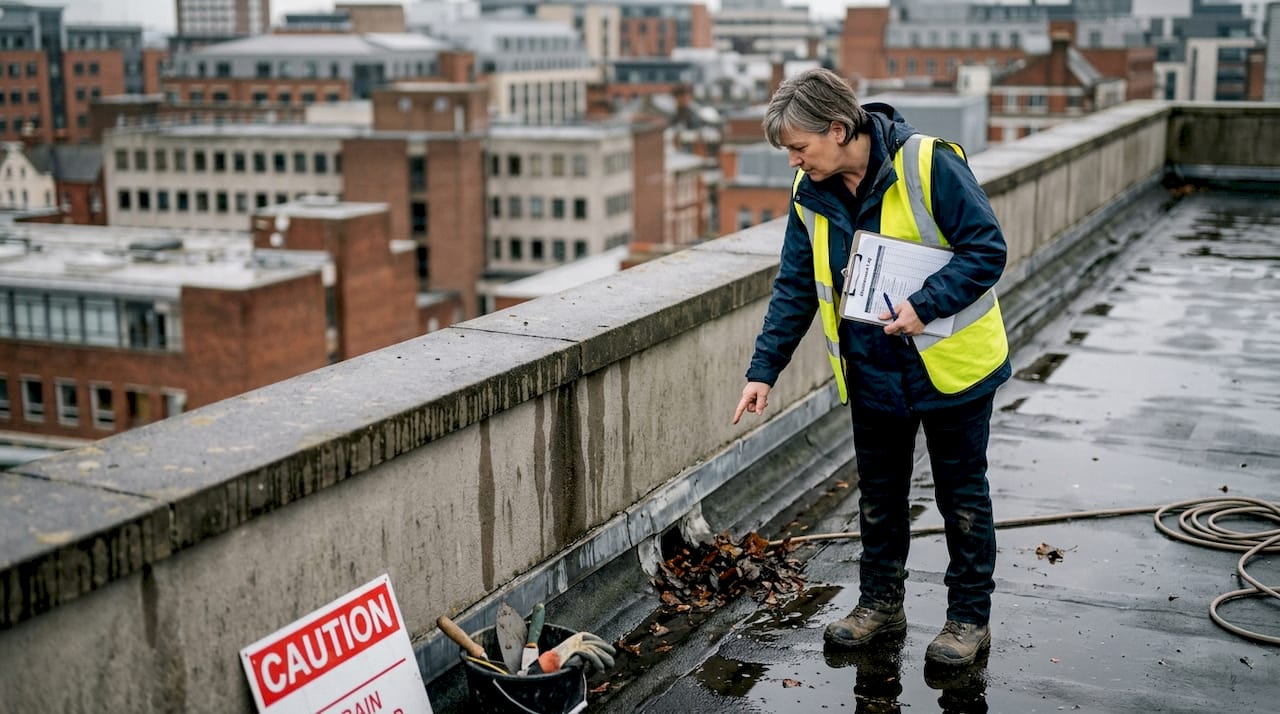
Start with a thorough risk assessment covering every aspect of the job. Document the frequency of required access, proximity to roof edges, and condition of all surfaces workers will encounter. Falls from roofs represent a significant injury cause when fragile materials or unprotected edges go unidentified. Assess the technical service life of roofing components, as ageing materials may not support worker weight safely. This evaluation shapes every subsequent decision about equipment and methods.
Selecting appropriate personal protective equipment and fall protection systems comes next. For work above six feet, fall arrest systems including harnesses, anchor points, and guardrails become mandatory. Evaluate whether tasks can be completed from ground level using carbon-fibre poles with vacuum attachments, eliminating fall risks entirely. When ladder access proves necessary, ensure all equipment meets current OSHA standards for load capacity and structural integrity. Understanding commercial gutter cleaning safety protocols helps you make informed equipment choices.
Pro Tip: Create a site-specific safety plan for each property in your portfolio, noting unique hazards like overhead power lines, fragile skylights, or restricted access points that require specialised equipment.
Your preparation checklist should include:
- Complete hazard identification survey covering all roof areas and access points
- Risk assessment documentation including proximity to edges and fragile surfaces
- PPE selection matched to identified risks and regulatory requirements
- Ladder inspection confirming OSHA compliance for angle, extension, and load capacity
- Ground-level cleaning feasibility evaluation to minimise height work
- Technical service life verification for roofing components and support structures
| Preparation element | Safety impact | Compliance requirement |
|---|---|---|
| Risk assessment | Identifies fall hazards before work begins | Mandatory for all commercial roof access |
| PPE selection | Reduces injury severity by 70% | Required above 6 feet height |
| Ladder standards | Prevents equipment failure accidents | OSHA load and angle specifications |
| Ground-level tools | Eliminates 85% of fall risk exposure | Preferred method where feasible |
Mastering gutter safety best practices during preparation sets the foundation for incident-free maintenance throughout the year.
Execute gutter cleaning safely with best practices
Execution demands strict adherence to established safety protocols at every step. Workers must follow precise procedures that protect them whilst delivering thorough cleaning results. Cutting corners during this phase invites the very accidents your preparation aimed to prevent.
Ladder setup requires exacting standards when ground-level methods prove impractical. OSHA mandates specific requirements including a 75-degree angle for extension ladders and three-foot extension above the landing point. Position the ladder on stable, level ground with both feet secured. Never allow workers to overreach laterally or carry tools whilst climbing, as these actions cause most ladder-related falls. Careful ladder use significantly reduces risks during gutter maintenance operations.
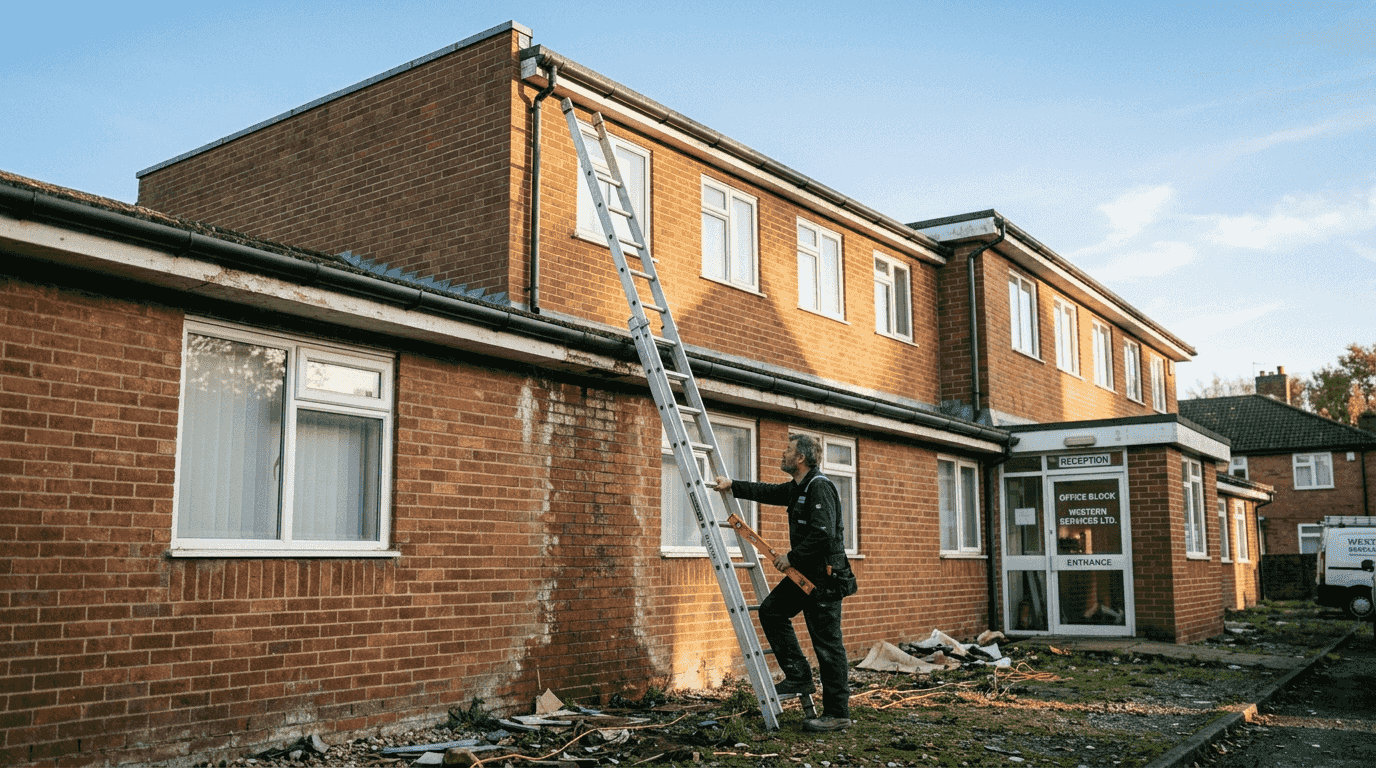
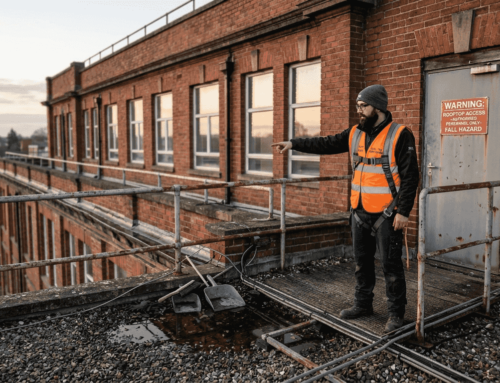
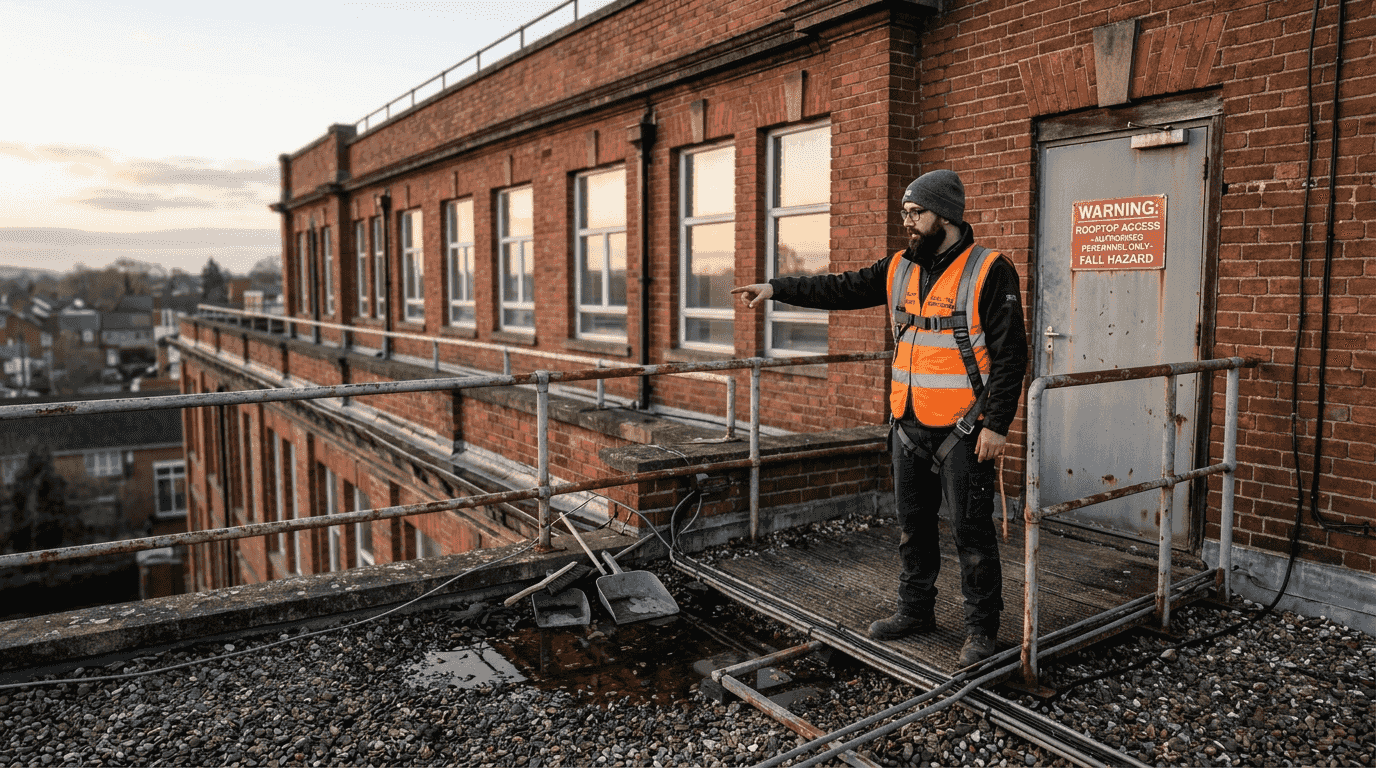
Fall prevention measures become non-negotiable for any work above six feet. Install guardrails around roof perimeters or provide workers with properly fitted harnesses connected to certified anchor points. Inspect all fall protection equipment before each use, checking for wear, damage, or expired certification dates. Train workers on correct harness donning and anchor point selection. Understanding the complete commercial property gutter cleaning process helps you implement these protections effectively.
Pro Tip: Deploy a spotter on ground level during all elevated gutter work to monitor weather conditions, communicate hazards, and summon help immediately if incidents occur.
Ground-level cleaning tools revolutionise safety outcomes when conditions allow their use. Carbon-fibre poles extending up to 40 feet, equipped with vacuum attachments and cameras, enable thorough cleaning without height exposure. These systems reduce fall risk by 85% whilst often improving efficiency. Evaluate each property to determine where this approach works best. Properties with complex rooflines or significant obstructions may still require traditional access methods for complete cleaning.
Follow this execution sequence:
- Conduct pre-work safety briefing covering site-specific hazards and emergency procedures
- Inspect all equipment including ladders, harnesses, and cleaning tools for defects
- Establish exclusion zones below work areas to protect ground-level personnel
- Deploy fall protection systems before any worker accesses elevated positions
- Execute cleaning using approved techniques whilst maintaining three points of contact on ladders
- Monitor weather conditions continuously, ceasing work if wind or precipitation develops
- Document any safety concerns or near-miss incidents for future prevention
Maintaining your gutter cleaning schedule prevents blockages that force rushed, unsafe cleaning during emergencies. Regular maintenance means controlled conditions rather than crisis response.
Key execution protocols include:
- Ladder positioning at correct angle with secure footing and adequate extension
- Fall protection deployment for all work above six feet elevation
- Tool belts or hoisting systems to keep hands free during ladder climbing
- Weather monitoring with immediate work cessation if conditions deteriorate
- Communication systems linking elevated workers with ground support
- Emergency response procedures known to all team members
“Proper equipment use and fall protection aren’t optional extras, they’re the difference between routine maintenance and catastrophic injury. Every shortcut carries consequences that far exceed any time saved.”
Recognising that gutter cleaning directly impacts safety helps justify the investment in proper execution methods and equipment.
Verify gutter cleaning safety and property protection post-service
Completion doesn’t end your responsibilities. Thorough verification ensures the work achieved its safety and maintenance objectives whilst identifying any issues requiring attention. This phase protects your property investment and validates that safety protocols functioned as intended.
Conduct comprehensive post-cleaning inspections examining gutter integrity, blockage clearance, and drainage function. Check downpipes flow freely and water diverts properly away from building foundations. Look for any damage to roofing materials, fascia boards, or wall surfaces that occurred during cleaning. Regular professional cleaning prevents damage from water intrusion, mould growth, and pest infestations when executed properly.
Document all findings in detailed reports that track property condition over time. Photograph problem areas and note their locations for future reference. This documentation proves invaluable when planning maintenance budgets and scheduling subsequent cleanings. Record any safety incidents, near misses, or equipment issues that arose during the work. Many building damages prove avoidable with proper maintenance including ventilation and gutter cleaning.
Pro Tip: Establish a digital maintenance log for each property tracking cleaning dates, findings, and follow-up actions to identify patterns and optimise your maintenance schedule.
Schedule your next cleaning based on inspection findings and seasonal considerations. Properties with heavy tree coverage require more frequent attention, whilst exposed locations may need winter preparation to prevent ice dams. Use inspection data to identify gutters approaching their technical service life that may need replacement rather than continued cleaning. Following systematic maintenance procedures ensures nothing falls through the cracks.
Your verification process should cover:
- Complete gutter system inspection confirming debris removal and proper drainage
- Structural integrity assessment of gutters, brackets, and attachment points
- Roofing and wall examination for any damage requiring repair
- Documentation of findings with photographs and detailed notes
- Safety protocol compliance review confirming all procedures followed correctly
- Next service scheduling based on property condition and seasonal factors
| Verification element | Purpose | Action required |
|---|---|---|
| Drainage testing | Confirms blockage removal | Document flow rates and problem areas |
| Structural inspection | Identifies damage needing repair | Schedule fixes before next season |
| Safety review | Validates protocol effectiveness | Update procedures based on findings |
| Service scheduling | Prevents future emergencies | Book next cleaning during optimal weather |
Understanding why regular gutter cleaning matters reinforces the value of thorough verification. Recognising commercial property cleaning importance helps you prioritise this essential maintenance task.
Professional commercial gutter cleaning services to ensure safety and compliance
Managing gutter safety across multiple commercial properties demands significant resources and expertise. Professional services offer trained teams using specialised equipment designed specifically for safe, efficient commercial gutter maintenance. These experts understand regulatory requirements and implement proven safety protocols on every job.
Outsourcing to qualified commercial gutter cleaning specialists reduces your liability exposure whilst ensuring consistent compliance with safety standards. Professional teams arrive equipped with proper fall protection systems, insurance coverage, and emergency response capabilities. They handle everything from initial risk assessment through post-cleaning verification, providing documented proof of regulatory adherence. Services extend across all commercial property types including blocks of flats, office buildings, and retail centres. Whether you manage properties in Greenwich or elsewhere, professional maintenance prevents costly repairs and tenant complaints. Discover why expert gutter cleaning matters for your property portfolio.
How often should commercial building gutters be cleaned safely?
How often should commercial building gutters be cleaned safely?
Most commercial properties require gutter cleaning at least twice yearly, typically in spring and autumn. Properties with significant tree coverage may need quarterly service to prevent blockages. Winter maintenance proves critical as regular cleaning reduces ice dam formation by 70%, preventing costly water damage. Schedule cleanings during mild weather when safety conditions optimise. Adjust frequency based on inspection findings and building-specific factors like roof design and surrounding vegetation. Following a structured frequency guide helps maintain optimal safety and performance.
What are the key safety hazards to watch for when cleaning gutters?
Falls from heights dominate gutter cleaning hazards, with roof falls leading injury causes in maintenance work. Fragile roofing materials that cannot support worker weight create hidden dangers. Ladder misuse including incorrect angles, overreaching, and unstable positioning causes numerous accidents. Adverse weather conditions like wind, rain, or ice multiply all risks exponentially. Overhead power lines present electrocution hazards when using metal ladders or poles. Unprotected roof edges and skylights create fall-through risks requiring guardrails or covers.
How can property managers ensure compliance with safety regulations for gutter cleaning?
Conduct thorough risk assessments before any gutter work begins, documenting all identified hazards and mitigation strategies. Provide comprehensive worker training covering equipment use, fall protection, and emergency procedures. OSHA mandates fall protection above certain heights during gutter work, typically six feet. Implement a detailed safety checklist verifying compliance at each job stage. Maintain equipment inspection records and worker certification documentation. Consider professional services that assume regulatory compliance responsibilities.
What equipment improves safety during commercial gutter cleaning?
Non-self-supporting ladders positioned at correct angles with proper extension above landing points meet OSHA standards. Fall prevention systems including harnesses, anchor points, and guardrails protect workers above six feet. Carbon-fibre poles with vacuum attachments reduce fall risks by 85% by enabling ground-level work. Appropriate personal protective equipment includes non-slip footwear, gloves, and eye protection. Stabiliser bars prevent ladder movement whilst roof anchors provide secure harness attachment points. Understanding specialised access equipment helps you select the right tools for each property configuration.
[…] for commercial properties, maintaining proper insurance coverage and method statements. The gutter cleaning safety checklist provides comprehensive protocols for protecting workers and […]