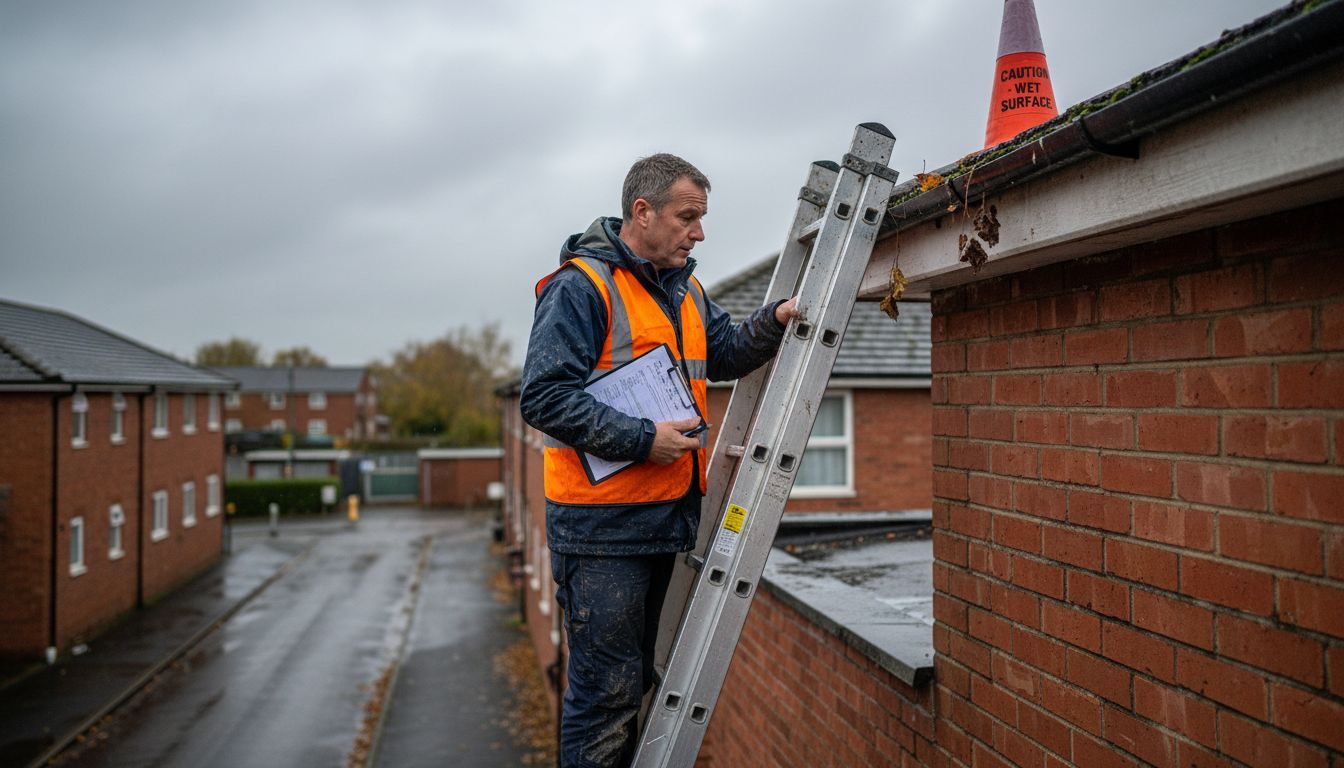
Managing multi-unit buildings in the UK means facing constant risks from gutter failures. Blocked gutters cause water damage, structural problems, and legal headaches for property managers and letting agents. Poor maintenance creates costly emergencies, tenant complaints, and regulatory penalties that drain budgets and damage reputations. This guide provides clear best practices to ensure your gutter systems meet UK compliance standards, protect tenant safety, and deliver long-term cost savings through proactive management.
Table of Contents
- Selection Criteria For Gutter Safety Practices
- Legal Obligations And Regulatory Compliance
- Common Gutter Hazards And Maintenance Best Practices
- Gutter Materials And Sizing Comparison
- Technology And Proactive Maintenance
- Cost And Risk Management
- Implementation And Safety Protocols
- Summary Comparison And Situational Recommendations
- Ensure Gutter Safety With Expert Maintenance Services
- Frequently Asked Questions
Key takeaways
| Point | Details |
|---|---|
| Legal compliance protects against liability | Meeting UK legal duties under the Landlord and Tenant Act 1985 and Building Safety Act 2026 prevents fines and claims. |
| Regular inspections prevent costly damage | Biannual gutter checks and cleaning stop 70% of blockages before they cause water damage. |
| Material choice affects durability and compliance | Aluminium, PVC, and cast iron gutters each suit different building types and budgets while meeting British Standards. |
| Technology cuts maintenance incidents significantly | Gutter guards and sensors reduce incidents by 60% through early detection. |
| Proactive maintenance saves money and reduces risks | Preventive care costs 70% less than emergency repairs and avoids legal penalties. |
Selection criteria for gutter safety practices
Choosing the right gutter safety approach requires balancing legal requirements, material performance, building characteristics, and maintenance technology. Your decisions directly impact compliance, costs, and tenant safety across your property portfolio.
Start with legal compliance as your foundation. Gutter materials for UK commercial buildings must meet British Standards for durability and fire safety. Non-compliant systems expose you to council enforcement actions and insurance complications that multiply costs when problems emerge.
Material selection shapes long-term performance and maintenance burden. Aluminium gutters offer corrosion resistance and lightweight installation suitable for most commercial buildings. PVC provides budget-friendly options for smaller residential blocks but degrades faster under UV exposure. Cast iron delivers heritage authenticity for listed buildings despite higher weight and installation costs.
Sizing matters more than many managers realise. Undersized gutters overflow during heavy rainfall, causing foundation damage and neighbour property issues. Calculate capacity based on roof area and regional rainfall intensity as specified in Building Regulations Part H.
Maintenance frequency depends on your building environment. Properties near trees require quarterly attention while urban sites with minimal foliage manage with biannual service. Document your maintenance schedule to demonstrate compliance during inspections.
Key selection factors include:
- Legal compliance with British Standards and Building Regulations
- Material durability matching building type and budget
- Correct gutter sizing for roof area and rainfall
- Maintenance frequency appropriate to site conditions
- Technology integration to reduce manual inspections
- Cost effectiveness over the system lifespan
Pro Tip: Create a decision matrix scoring each option against compliance, durability, maintenance needs, and total cost. This structured approach justifies budget requests to building owners and ensures you select systems that protect both property value and your professional reputation.
Technology adds another dimension to selection criteria. Gutter protection systems like guards and sensors reduce blockage frequency and enable early problem detection. While upfront costs seem higher, the reduction in emergency callouts and water damage repairs delivers clear financial returns for multi-unit properties.
Legal obligations and regulatory compliance
UK property managers face specific legal duties around gutter maintenance that carry real penalties for non-compliance. Understanding these obligations protects you from fines, tenant claims, and enforcement actions that damage both finances and reputation.
The Landlord and Tenant Act 1985 places clear responsibility on landlords to maintain building structure including drainage systems. Gutters fall squarely within this duty. Failures that cause damp, structural damage, or health risks breach your legal obligations and open claims pathways for tenants.
Building Regulations Part H and H3 set technical standards for rainwater drainage systems. Your gutters must handle expected rainfall volumes and discharge water safely away from foundations. Non-compliant installations or poorly maintained systems that fail these standards expose you to council enforcement powers.
The Building Safety Act 2026 introduces enhanced oversight through a national Building Safety Regulator with expanded powers. Higher-Risk Buildings face stricter requirements and enforcement mechanisms. The regulator can issue compliance notices and impose penalties for safety failures including inadequate gutter maintenance.
Local councils hold enforcement powers to require gutter repairs. They issue compliance orders when drainage failures create hazards or nuisance conditions. Ignoring these notices escalates to legal action and financial penalties that far exceed routine maintenance costs.
Legal risks multiply when you delay action:
- Tenant compensation claims for property damage from leaks
- Council fines and enforcement costs for non-compliance
- Insurance coverage disputes when neglect causes losses
- Reputational damage affecting tenant retention
- Directors’ liability exposure in serious safety cases
Document your maintenance programme thoroughly. Keep records of inspections, cleaning dates, and repairs completed. This evidence demonstrates reasonable care if disputes arise and shows regulators you take obligations seriously. Safe cleaning practices must be followed to protect workers and comply with health and safety duties.
Consider appointing competent contractors with proper insurance and certifications. Their professional status strengthens your compliance position and transfers some liability through their policies. Review contractor credentials annually to ensure standards remain current with evolving safety requirements.
Common gutter hazards and maintenance best practices
Gutter failures create predictable problems across UK multi-unit buildings. Recognising these hazards and implementing proven maintenance routines protects properties and keeps you ahead of regulatory requirements.
Organic debris causes the majority of problems. Leaves and vegetation create 70% of blockages, trapping water that overflows and damages walls, foundations, and landscaping. Properties near trees face constant accumulation requiring more frequent clearing.
Poor installation creates persistent issues. Incorrect slope prevents water flow, leaving standing water that breeds mosquitoes and accelerates corrosion. Sagging sections develop where brackets fail or spacing proves inadequate for the gutter weight when full.
Corrosion and material degradation sneak up gradually. Metal gutters develop rust spots that expand into holes. Plastic systems become brittle from UV exposure and crack during temperature changes. Joint sealant failures create leaks that worsen with every rainfall.
Biannual inspections form the backbone of effective maintenance for UK conditions. Spring checks catch winter damage and clear debris before summer storms. Autumn inspections remove fallen leaves before winter rainfall peaks. Adjust inspection frequency based on your specific site conditions.
Maintenance best practices include:
- Clear all debris from gutters and downpipes completely
- Check brackets and fixings for security and spacing
- Inspect joints and seals for deterioration or leaks
- Verify correct slope throughout the entire run
- Test water flow during wet conditions when possible
- Document findings and actions in maintenance logs
Pro Tip: Schedule gutter maintenance before your building’s busy periods. Clearing systems before winter protects properties during peak rainfall. Spring cleaning prepares systems for summer storms and reduces emergency callout risks during holiday periods when contractors charge premium rates.
Combining protective technology with regular cleaning delivers superior results. Gutter guards block larger debris while allowing water flow. Mesh systems suit most applications though fine filters clog in areas with seed pods or pine needles. Select guard types matching your specific debris challenges.
Safety considerations matter during every maintenance operation. Workers need proper fall protection equipment when accessing gutters on multi-storey buildings. Ground-based vacuum systems reduce working at height risks for routine cleaning. Always follow HSE guidance and ensure contractors carry appropriate insurance coverage. Avoid common mistakes that compromise safety or effectiveness.

Gutter materials and sizing comparison
Selecting appropriate materials and sizes for your building type determines system performance, compliance, and maintenance requirements. Each material offers distinct advantages and limitations worth understanding before specification.
Aluminium gutters dominate commercial installations for good reasons. BS EN 755-2 compliant alloys deliver corrosion resistance and fire safety classifications meeting building regulations. Lightweight construction simplifies installation on existing buildings. Expect 25-30 year lifespan with minimal maintenance.
PVC guttering suits budget-conscious residential blocks. Lower material and installation costs appeal to tight budgets. However, UV degradation and temperature sensitivity limit durability. Expect 15-20 year service life and potential for brittle failure in cold weather.
Cast iron brings heritage authenticity to listed buildings and conservation areas. Exceptional durability exceeds 60 years when properly maintained. Weight requires substantial bracket support and installation expertise. High initial costs and specialised repair needs suit premium applications.
| Material | Durability | Compliance | Cost | Best For |
|---|---|---|---|---|
| Aluminium | 25-30 years | BS EN standards, fire safe | Medium | Commercial, modern blocks |
| PVC | 15-20 years | Building regs compliant | Low | Budget residential |
| Cast iron | 60+ years | Heritage approved | High | Listed buildings |
| Steel | 20-25 years | Galvanised options | Medium | Industrial sites |
Sizing proves critical for performance. Building Regulations Part H specifications require calculations based on roof area and regional rainfall intensity. Undersized systems overflow during storms, causing the exact problems you installed gutters to prevent.
Standard residential guttering runs 100-125mm width. Commercial buildings typically need 150-200mm capacity depending on roof area. Calculate carefully rather than guessing. Regional rainfall data from Met Office records informs proper sizing for your location.
Downpipe capacity must match gutter output. Insufficient downpipe diameter creates bottlenecks that back up systems during heavy rain. Space downpipes appropriately along gutter runs to prevent overloading individual drainage points.
Material choice factors include:
- Building type and architectural requirements
- Budget constraints for installation and lifecycle
- Local weather conditions and exposure
- Maintenance access and frequency capability
- Weight capacity of existing structure
- Planning restrictions for listed or conservation areas
Installation quality matters as much as material selection. Proper bracket spacing, correct fall gradient, and secure joints determine whether your system performs as designed. Specify professional installation to British Standards rather than accepting lowest-cost options that compromise performance. Understanding gutter health helps you make informed material decisions.
Consider future maintenance when choosing materials. Systems requiring specialised repair skills or obsolete components create ongoing management headaches. Standard profiles with readily available parts simplify repairs versus replacement decisions.
Technology and proactive maintenance
Modern technology transforms gutter maintenance from reactive emergency response to proactive system management. Property managers gain control over risks while reducing labour costs and tenant disruptions.
Gutter guards prevent debris accumulation at source. Mesh screens block leaves and larger material while allowing water flow. Foam inserts fill gutters, filtering debris while permitting drainage. Brush systems sit inside gutters, catching material above bristles. Each type suits different debris challenges and maintenance philosophies.
Sensor technology provides real-time monitoring capabilities. Water level sensors detect blockages developing before overflow occurs. Temperature monitors identify ice dam formation risks in winter. Connectivity through building management systems enables remote monitoring across property portfolios.
Case studies demonstrate significant results. Properties adopting gutter guards and sensors report 60% fewer incidents requiring emergency response. Early blockage detection prevents water damage that costs thousands in repairs and tenant compensation.
Integrating technology with scheduled maintenance maximises benefits. Guards reduce cleaning frequency but don’t eliminate it entirely. Sensors provide early warning but require action when alerts trigger. Combine both approaches with regular professional inspections for optimal performance.
Technology benefits include:
- Reduced debris accumulation extending cleaning intervals
- Early problem detection before damage occurs
- Remote monitoring reducing site visit requirements
- Data collection informing maintenance scheduling
- Lower emergency callout costs and risks
Cost-benefit analysis favours technology investment for larger portfolios. Initial equipment and installation costs get recovered through reduced labour, fewer emergency repairs, and avoided water damage. Calculate payback periods considering your specific maintenance costs and incident history.
Select appropriate technology for building characteristics. High-rise blocks benefit most from remote sensors reducing dangerous roof access. Properties with extensive tree coverage gain maximum value from quality gutter guards. Match solutions to specific challenges rather than adopting technology for its own sake.
Maintenance technology integrates naturally with asset management approaches. Track system performance, schedule preventive actions, and document compliance through centralised platforms. Digital records demonstrate due diligence and inform strategic planning.
Cost and risk management
Proactive gutter maintenance delivers measurable financial benefits that justify budget allocation and prevent far larger costs from reactive failures. Understanding these economics helps you secure resources and manage properties efficiently.
Preventive maintenance costs substantially less than emergency repairs. Regular cleaning runs £150-300 per visit for typical residential blocks. Emergency callouts start at £500 plus repair costs. Water damage from gutter failures easily reaches thousands in restoration work.
Proactive approaches reduce costs by 70% compared to reactive management. This saving comes from catching small problems before they escalate and avoiding consequential damage from water ingress. Schedule regular maintenance and you control costs predictably.
Tenant legal claims create significant financial exposure. Damp conditions from gutter leaks breach habitability standards. Tenants can claim compensation, withhold rent, or terminate leases. Legal costs and compensation awards quickly exceed maintenance programme costs.
Council enforcement actions carry direct penalties. Compliance notices require immediate corrective action. Failure to comply escalates to court proceedings and fines. Enforcement costs get added to penalties, multiplying financial impact.
Insurance implications favour documented maintenance. Insurers scrutinise claims involving neglected maintenance. Coverage disputes arise when failures stem from lack of reasonable care. Premium increases follow claims that preventive maintenance could have avoided.
Financial benefits breakdown:
- Direct cost savings from preventive versus reactive work
- Avoided water damage repair and restoration costs
- Eliminated tenant compensation and legal defence costs
- Prevention of council fines and enforcement expenses
- Maintained insurance coverage and stable premiums
- Protected property values and tenant retention rates
Budget planning should allocate funds for scheduled maintenance. Biannual cleaning costs remain predictable. Include contingency for unexpected repairs identified during inspections. This approach prevents scrambling for emergency funds when problems emerge.
Track maintenance costs and outcomes systematically. Document savings from early problem detection. Record avoided incidents and their potential costs. This data justifies continued investment and demonstrates value to building owners. Reference your maintenance schedule guide when planning budgets.
Consider lifecycle costs when evaluating gutter system investments. Higher quality materials and protective technology cost more initially but deliver lower total ownership costs. Calculate payback periods and present business cases showing long-term value.
Implementation and safety protocols
Executing gutter maintenance safely and legally requires clear protocols protecting workers, tenants, and your organisation. Proper procedures ensure compliance while delivering reliable results.
HSE Working at Height Regulations govern gutter access and maintenance work. Every task requires risk assessment before starting. Wherever possible, eliminate height work through ground-based equipment. Where height access proves necessary, follow hierarchy of controls: collective protection before personal protection.
Contractor selection determines safety outcomes. Verify proper certifications including CSCS cards and working at height qualifications. Confirm current public liability insurance covering at least £5 million. Check method statements and risk assessments before work begins.
Safety equipment requirements depend on building height and access methods. Mobile elevated work platforms provide stable working positions. Scaffolding suits extensive work on larger buildings. Fall arrest systems protect workers when other methods prove impractical. Never permit ladder work above single-storey height.
Tenant safety considerations matter during maintenance. Cordon ground areas below work zones preventing falling debris injuries. Schedule work during low occupancy periods when possible. Notify residents in advance providing contact information for concerns.
Essential safety protocols include:
- Complete risk assessments before every job
- Use properly trained and certified contractors only
- Provide appropriate access equipment eliminating risks
- Implement fall prevention and protection measures
- Cordon work areas protecting building occupants
- Maintain emergency procedures and first aid provision
- Document all safety measures and incidents
Maintenance logs serve legal and operational purposes. Record inspection dates, findings, actions taken, and costs. Photograph conditions before and after work. These records demonstrate compliance during regulatory inspections and defend against tenant claims.
Follow safe cleaning guidance throughout operations. Never cut corners on safety to save time or money. Accidents create far greater costs than proper precautions. Your reputation and legal standing depend on consistent safety standards.
Weather considerations affect scheduling. Avoid work during high winds, heavy rain, or icy conditions. These factors multiply risks without improving outcomes. Reschedule when conditions prove unsuitable rather than pressuring contractors to proceed unsafely.
Summary comparison and situational recommendations
Consolidating gutter safety options helps you make informed decisions matching your specific building portfolio needs and constraints.
| Building Type | Recommended Material | Sizing | Maintenance Frequency | Technology Priority |
|---|---|---|---|---|
| Large commercial | Aluminium | 150-200mm | Quarterly | Sensors + guards |
| Residential blocks | Aluminium or PVC | 100-150mm | Biannual | Guards |
| Listed buildings | Cast iron | As original | Quarterly | Minimal |
| Budget properties | PVC | 100-125mm | Triannual | Basic guards |
Commercial properties benefit from aluminium systems with comprehensive technology. High tenant numbers and reputational considerations justify investment in sensors and guards. Quarterly maintenance prevents incidents affecting multiple occupants.
Residential blocks balance cost and performance with aluminium or quality PVC. Biannual maintenance suits most locations unless heavy tree coverage requires more frequent attention. Gutter guards deliver good return on investment through reduced cleaning needs.
Listed buildings demand cast iron for planning compliance and heritage authenticity. Accept higher costs as necessary for regulatory approval. Focus maintenance on preserving original features rather than technology additions that may breach listing conditions.
Budget properties require cost control while meeting legal minimums. PVC systems with basic mesh guards reduce initial outlay. Extend cleaning intervals cautiously, maintaining minimum biannual frequency to prevent compliance breaches.
Compliance checkpoints apply across all property types:
- Materials meeting British Standards specifications
- Sizing calculated per Building Regulations Part H
- Documented maintenance demonstrating reasonable care
- Safe working procedures following HSE guidance
- Records proving compliance with legal duties
Tailor technology adoption to portfolio scale. Large property managers gain maximum benefit from sensor networks enabling centralised monitoring. Smaller portfolios may find basic guards sufficient with manual inspection routines.
Consider geographical factors in your decisions. Coastal locations need corrosion-resistant materials. Areas with heavy rainfall require generous sizing. Urban sites with minimal foliage manage with standard maintenance frequencies.
Review your approach annually. Assess whether current maintenance frequency prevents problems adequately. Evaluate new technology as it becomes available. Adjust specifications based on performance data from your existing buildings. Explore comprehensive service options matching your portfolio needs.
Ensure gutter safety with expert maintenance services
Protecting your properties requires more than understanding best practices. It demands reliable execution by qualified professionals who understand UK compliance requirements and deliver consistent results.
Professional gutter maintenance services remove the burden of coordinating contractors, ensuring safety compliance, and tracking maintenance schedules. Expert teams arrive equipped with proper access equipment, safety systems, and insurance coverage. They complete work efficiently while you focus on other property management priorities.
Scheduled maintenance programmes provide predictable costs and guaranteed service intervals. Your buildings receive attention before problems develop. Documentation gets handled systematically, providing compliance evidence when needed. Tenants experience fewer disruptions from emergency repairs.
Specialised services for blocks of flats understand the unique challenges of multi-unit buildings. They work around resident schedules, maintain quiet operations, and communicate professionally with occupants. Local expertise in areas like Greenwich means faster response and understanding of regional building characteristics.
Consider partnering with maintenance specialists who offer comprehensive solutions. From initial system assessment through ongoing servicing, professional support ensures your gutters protect rather than threaten your properties. Implement a proven maintenance schedule that keeps you ahead of problems and compliant with evolving regulations.
Frequently asked questions
What are the legal responsibilities of property managers for gutter maintenance?
Property managers must maintain gutters to prevent damage, tenant risk, and comply with laws including the Landlord and Tenant Act 1985 and Building Safety Act 2026. Failures can result in council enforcement, tenant claims, and insurance complications. Document all maintenance activities to demonstrate reasonable care and legal compliance.
How often should gutters be inspected and cleaned in multi-unit buildings?
Biannual inspections and cleaning represent the minimum recommended frequency for multi-unit UK properties. Properties near trees or in high-rainfall areas may require quarterly attention. Adjust your schedule based on debris accumulation rates and documented blockage incidents at your specific sites.
Can gutter technology really reduce maintenance costs and incidents?
Yes, technology like gutter guards and sensors has been proven to cut incidents by up to 60%, lowering maintenance costs and legal risks. These systems complement scheduled cleaning through early blockage detection and reduced debris accumulation. Larger property portfolios see the fastest return on technology investment.
What safety protocols are essential during gutter maintenance work?
Compliance with HSE Working at Height regulations and other safety laws is mandatory for all gutter work. Use certified contractors with proper insurance, appropriate access equipment, and documented risk assessments. Never permit unsafe practices to save time or costs, as accidents create far greater liabilities.



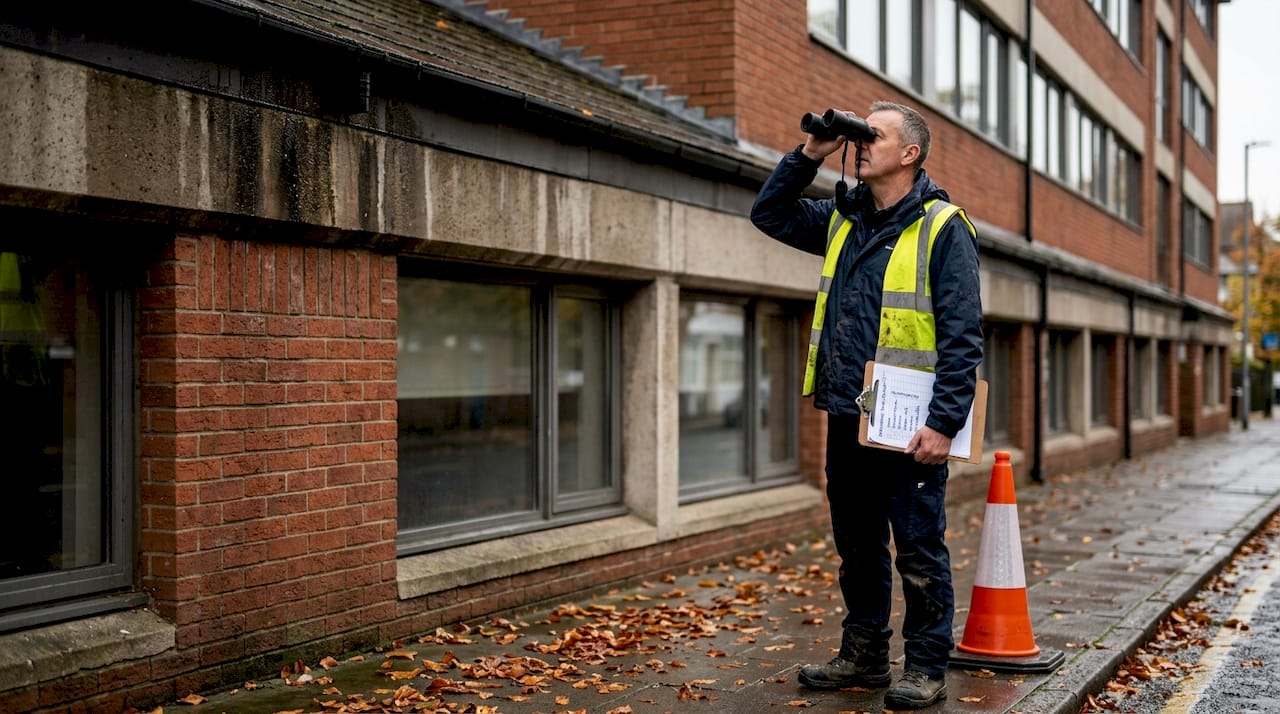

[…] managers should integrate gutter safety best practices into standard operating procedures. Non-compliance risks insurance claim rejection, potential legal […]
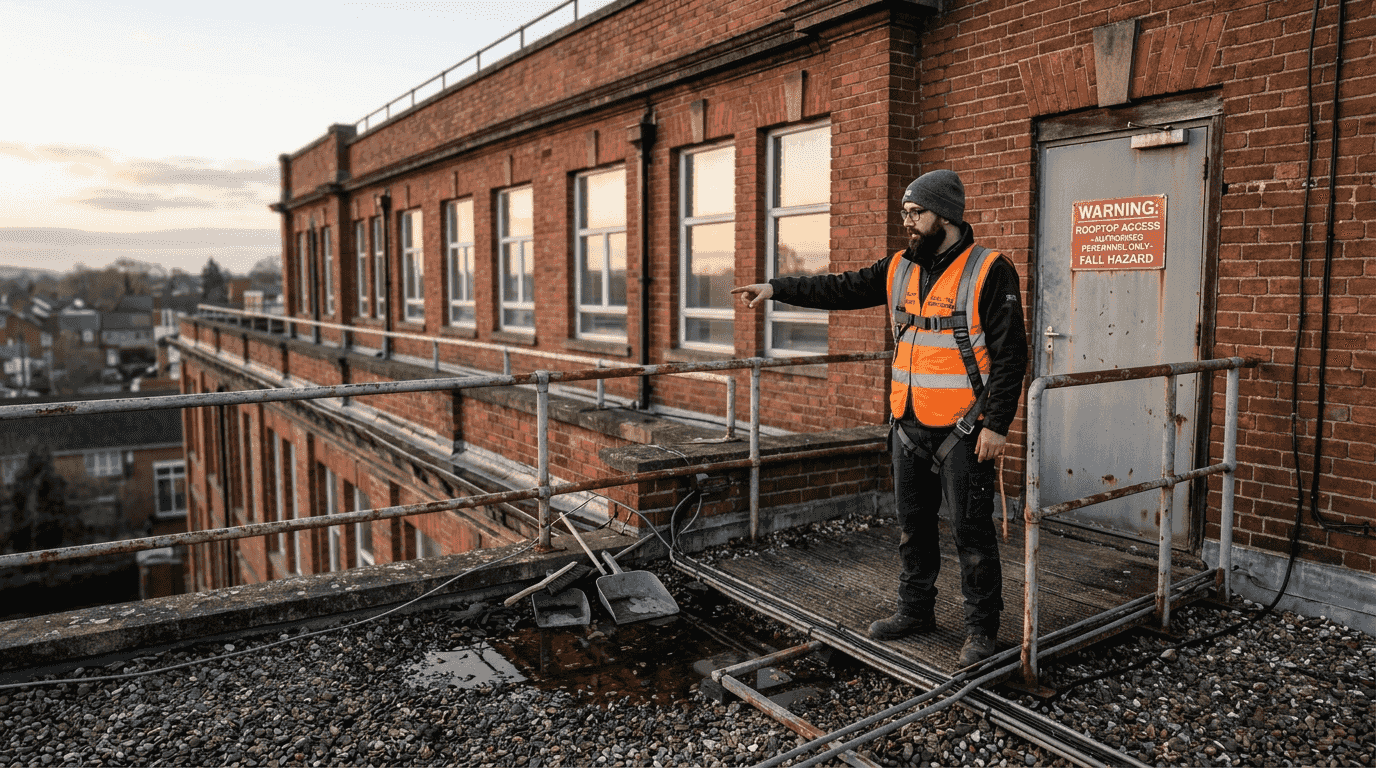
[…] equipment face increased fall risks, inadequate reach, and compromised positioning. Understanding gutter safety best practices helps property managers recognise when equipment specifications fall short of professional […]
[…] gutter safety best practices during preparation sets the foundation for incident-free maintenance throughout the […]