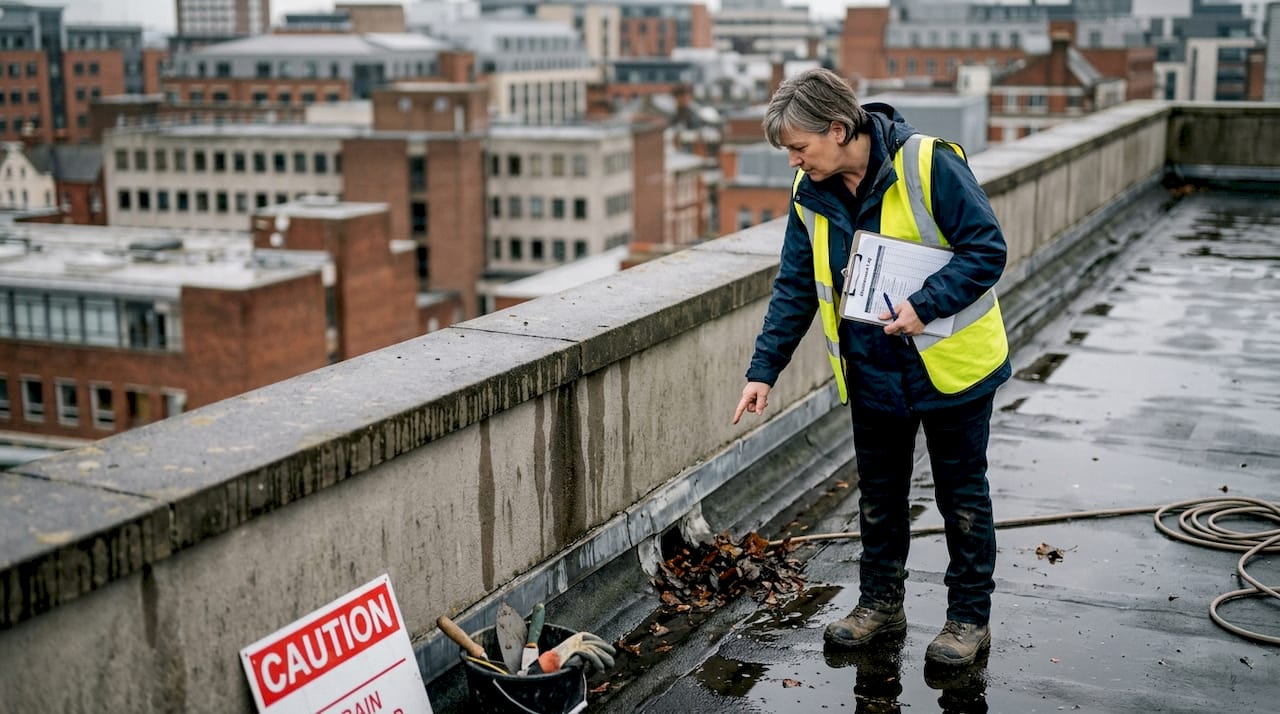
Blocked gutters might seem like a minor maintenance issue, but they pose serious financial and structural risks to commercial buildings. Property managers and letting agencies face mounting repair costs when drainage systems fail, with 70% of UK flats experiencing blockage risks annually. This guide reveals how neglecting gutter maintenance creates costly damage cycles and shows you practical strategies to protect your buildings through effective cleaning programmes. Understanding these risks empowers you to make informed decisions that safeguard property value and tenant satisfaction.
Table of Contents
- Understanding The Risks Of Blocked Gutters In Commercial Properties
- Comparing The Costs Of Blocked Gutters Versus Regular Maintenance
- Safe And Effective Gutter Maintenance Practices For Urban Commercial Buildings
- Developing A Gutter Maintenance Plan Tailored For Property Managers And Letting Agencies
- Protect Your Buildings With Professional Gutter Cleaning Services
- Frequently Asked Questions
Key takeaways
| Point | Details |
|---|---|
| Blocked gutters cause costly water damage | Neglected drainage leads to structural deterioration, tenant complaints, and expensive emergency repairs |
| Regular inspections reduce blockage risks | Scheduled maintenance prevents 80% of damage related costs compared to reactive repairs |
| Ignoring blockages increases liability | Property managers face legal exposure and tenant dissatisfaction from water ingress issues |
| Proper access equipment ensures safety | Specialised tools enable thorough cleaning whilst protecting workers on commercial buildings |
| Planned maintenance protects building value | Consistent gutter care enhances property longevity and reduces unexpected repair incidents |
Understanding the risks of blocked gutters in commercial properties
Urban commercial buildings face unique challenges when it comes to gutter maintenance. Leaves, twigs, and debris accumulate rapidly in autumn, whilst industrial pollution and airborne particles create sticky residue that traps additional materials. Bird nests and moss growth compound these issues, transforming minor blockages into complete drainage failures within weeks.
The consequences extend far beyond overflowing rainwater. Blocked gutters commonly lead to water ingress, causing structural damage and tenant complaints, particularly in multi storey buildings where cascading water affects multiple floors. Water seeping behind fascia boards rots timber, corrodes metal fixings, and saturates insulation materials. Foundation erosion occurs when concentrated water flow undermines building bases, creating settlement cracks that require expensive underpinning.
Pest infestations thrive in blocked gutters where standing water and decomposing organic matter provide ideal breeding grounds. Mosquitoes, flies, and rodents establish colonies that spread disease and disturb tenants. The damp environment attracts wood boring insects that compromise structural timber, whilst algae growth creates slippery surfaces on walkways below.
Financial impacts escalate quickly. Emergency repairs cost substantially more than preventive maintenance, often requiring urgent contractor call outs and temporary accommodation for displaced tenants. Legal liability increases when water damage affects neighbouring properties or causes injury from falling debris. Insurance premiums rise following claims, whilst property valuations decrease when surveyors identify deferred maintenance issues.
Watch for these warning signs:
- Water staining on external walls below gutter lines
- Damp patches appearing on internal ceilings near roof edges
- Visible sagging or pulling away of gutter sections from fascia boards
- Plant growth emerging from gutter channels
- Overflow marks or erosion patterns in ground level areas beneath downpipes
Property managers who ignore these indicators face compounding problems. A gutter blockage guide for property managers demonstrates how small issues become major structural failures when left unaddressed. Water penetration spreads through building envelopes, creating hidden damage that remains undetected until catastrophic failure occurs.
Proactive gutter maintenance prevents 90% of water related building damage, protecting both property value and tenant wellbeing whilst reducing emergency repair costs significantly.
The financial burden extends beyond immediate repairs. Tenant turnover increases when living conditions deteriorate, creating void periods and lost rental income. Reputation damage affects letting agencies’ ability to attract quality tenants, whilst regulatory compliance issues arise when buildings fail to meet safety standards.
Comparing the costs of blocked gutters versus regular maintenance
The financial case for regular gutter maintenance becomes clear when comparing preventive costs against damage repair expenses. Property managers who invest in scheduled cleaning programmes achieve substantial savings whilst protecting building integrity and tenant satisfaction.
| Expense category | Regular maintenance approach | Reactive damage repair approach |
|---|---|---|
| Annual gutter cleaning | £300 to £800 per building | £0 initially |
| Water damage repairs | Minimal or none | £2,500 to £8,000 per incident |
| Structural restoration | Preventive inspections £150 | £5,000 to £25,000 for major work |
| Tenant relocation costs | Not required | £1,200 to £3,500 per unit |
| Insurance claim impacts | Lower premiums maintained | Premium increases 15% to 40% |
| Total annual cost estimate | £450 to £950 | £8,700 to £36,500 plus ongoing increases |
Regular gutter maintenance can reduce repair costs by up to 80% compared to addressing damage after blockages occur. The mathematics strongly favour preventive action, particularly when factoring in secondary costs like lost rental income during repairs and reputation damage affecting future lettings.
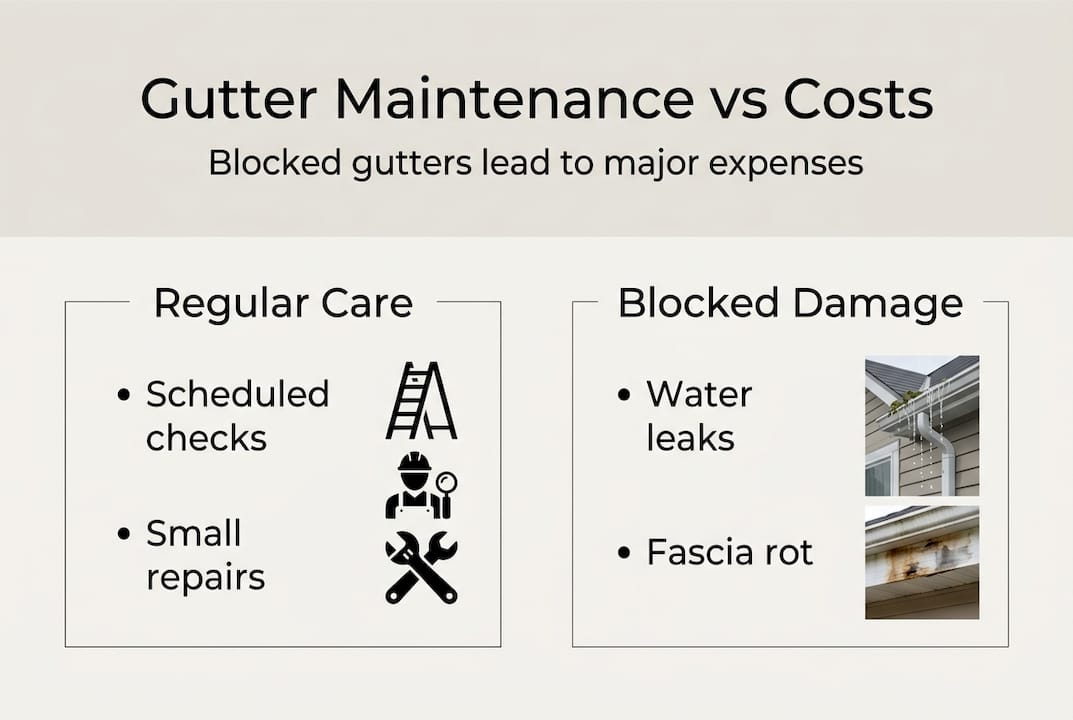
Delays compound expenses exponentially. A minor blockage costing £50 to clear becomes a £3,000 fascia replacement within months. Water penetration spreads through building materials, creating hidden deterioration that only emerges during major failures. Emergency contractors charge premium rates for urgent work, often two to three times standard pricing, whilst material costs increase when specialist matching is required for period properties.
Pro Tip: Schedule gutter inspections immediately after severe weather events, even between regular maintenance visits. Storm damage and debris accumulation can create sudden blockages that overwhelm drainage systems, causing rapid deterioration if not addressed promptly.
Tenant retention improves dramatically with proactive maintenance. Residents notice when property managers demonstrate care through consistent building upkeep, leading to longer tenancies and reduced turnover costs. Positive reviews and referrals increase when tenants experience well maintained properties free from water damage and associated problems.
A comprehensive gutter maintenance schedule guide helps property managers plan budgets accurately and avoid unexpected expenses. Scheduled maintenance allows for competitive tendering, bulk service agreements, and predictable cash flow management. Emergency repairs eliminate these advantages, forcing acceptance of whatever pricing contractors demand for immediate availability.
Insurance considerations add another dimension. Policies often exclude damage resulting from poor maintenance, leaving property owners fully liable for costs that could have been prevented through regular gutter cleaning. Claims history affects future coverage availability and pricing, creating long term financial consequences from short term maintenance neglect.
Safe and effective gutter maintenance practices for urban commercial buildings
Implementing proper maintenance procedures requires understanding both technical requirements and safety protocols specific to commercial properties. Urban buildings present unique challenges including height, access restrictions, and proximity to neighbouring structures that demand specialised approaches.
Follow these sequential steps for thorough gutter maintenance:
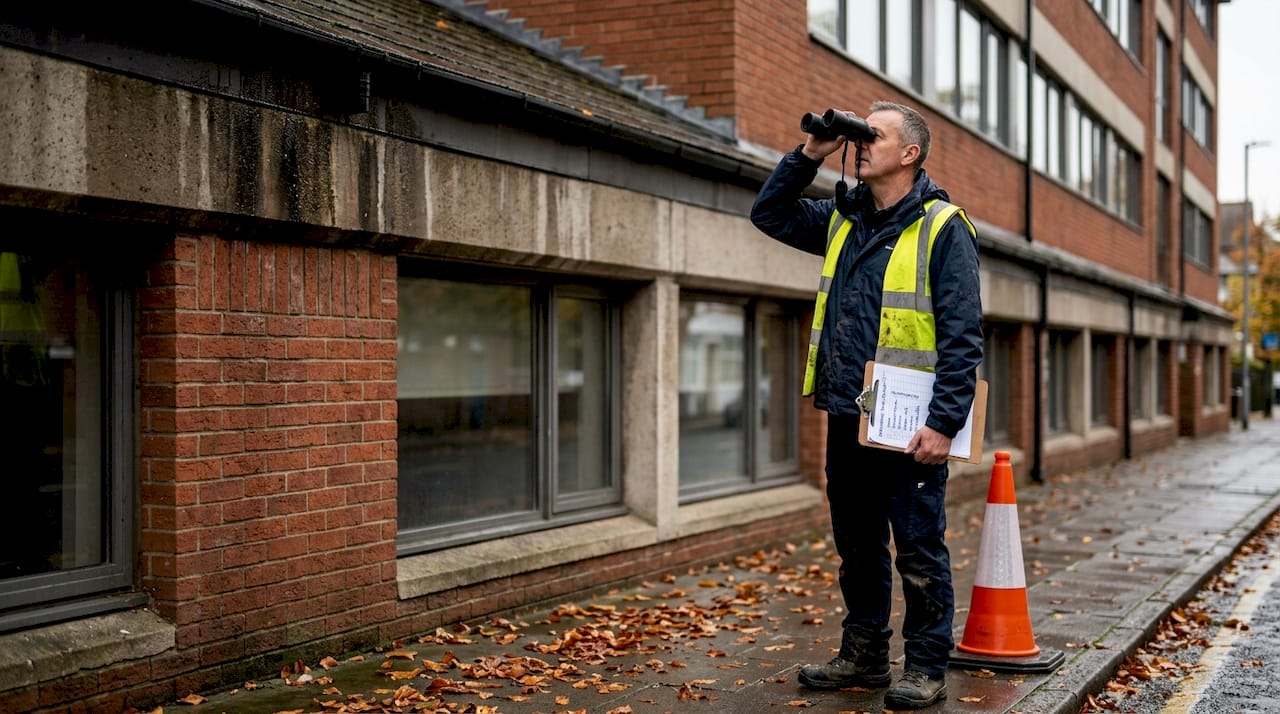
- Conduct ground level visual inspection to identify obvious damage, sagging, or vegetation growth before accessing gutters
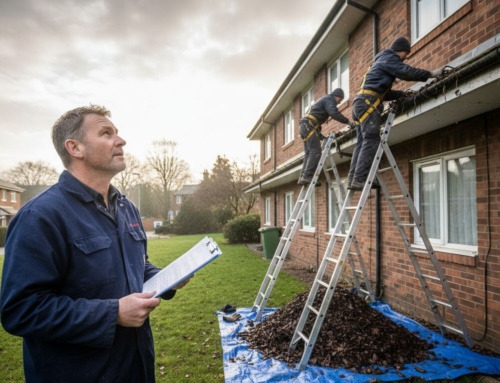
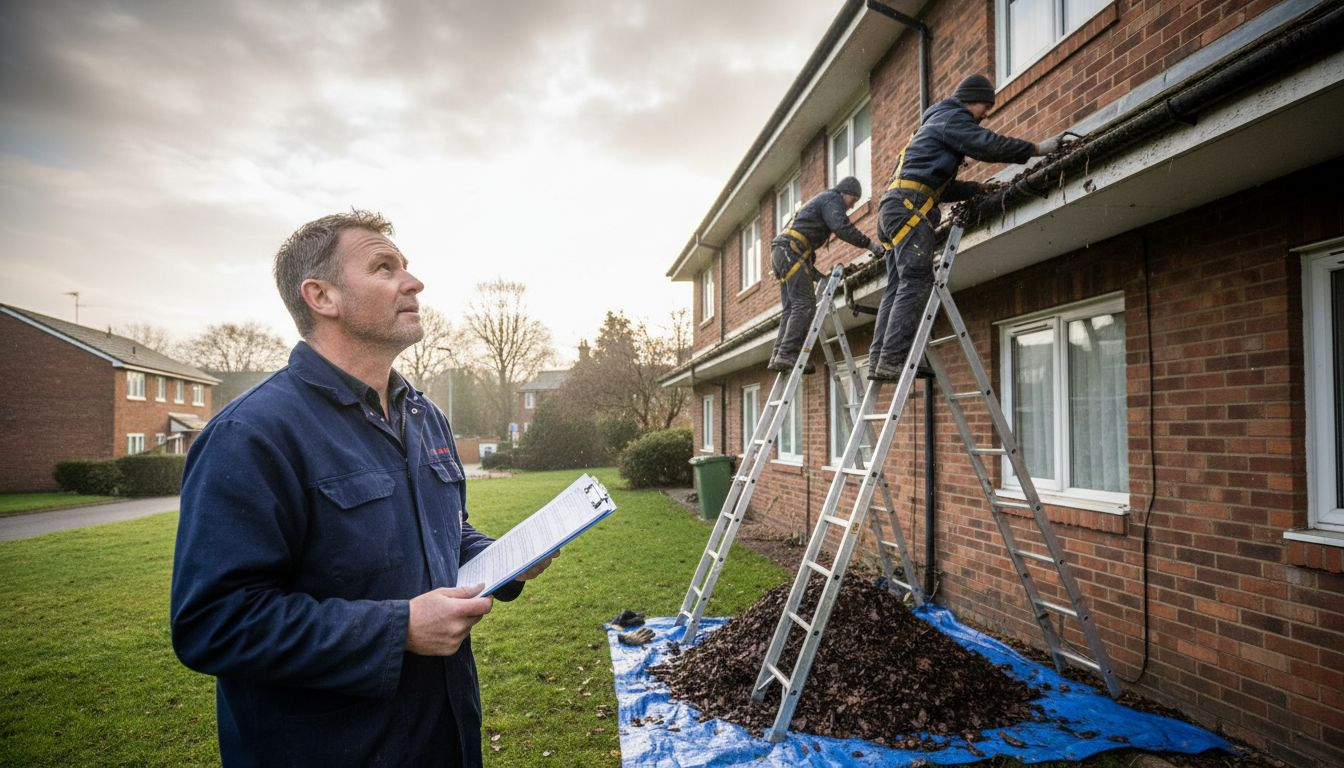
- Establish safe access using appropriate equipment including scaffolding, mobile elevated work platforms, or secured ladder systems with stabilisers
- Remove large debris by hand, working systematically along gutter runs and collecting materials in buckets to prevent ground level mess
- Flush remaining sediment using low pressure water whilst checking downpipe flow and identifying any blockages requiring rodding
- Inspect gutter joints, brackets, and seals for deterioration, noting repairs needed before water damage occurs
- Test drainage flow by running water through the complete system and observing discharge points for proper operation
- Document findings photographically and create maintenance records for future reference and compliance demonstration
Proper gutter access equipment ensures safety and thorough cleaning on complex commercial buildings where working at height regulations apply strictly. Mobile elevated work platforms provide stable, enclosed working areas that allow technicians to move efficiently along building perimeters whilst maintaining three points of contact. Scaffolding offers advantages for extensive work requiring multiple visits or simultaneous access to different building sections.
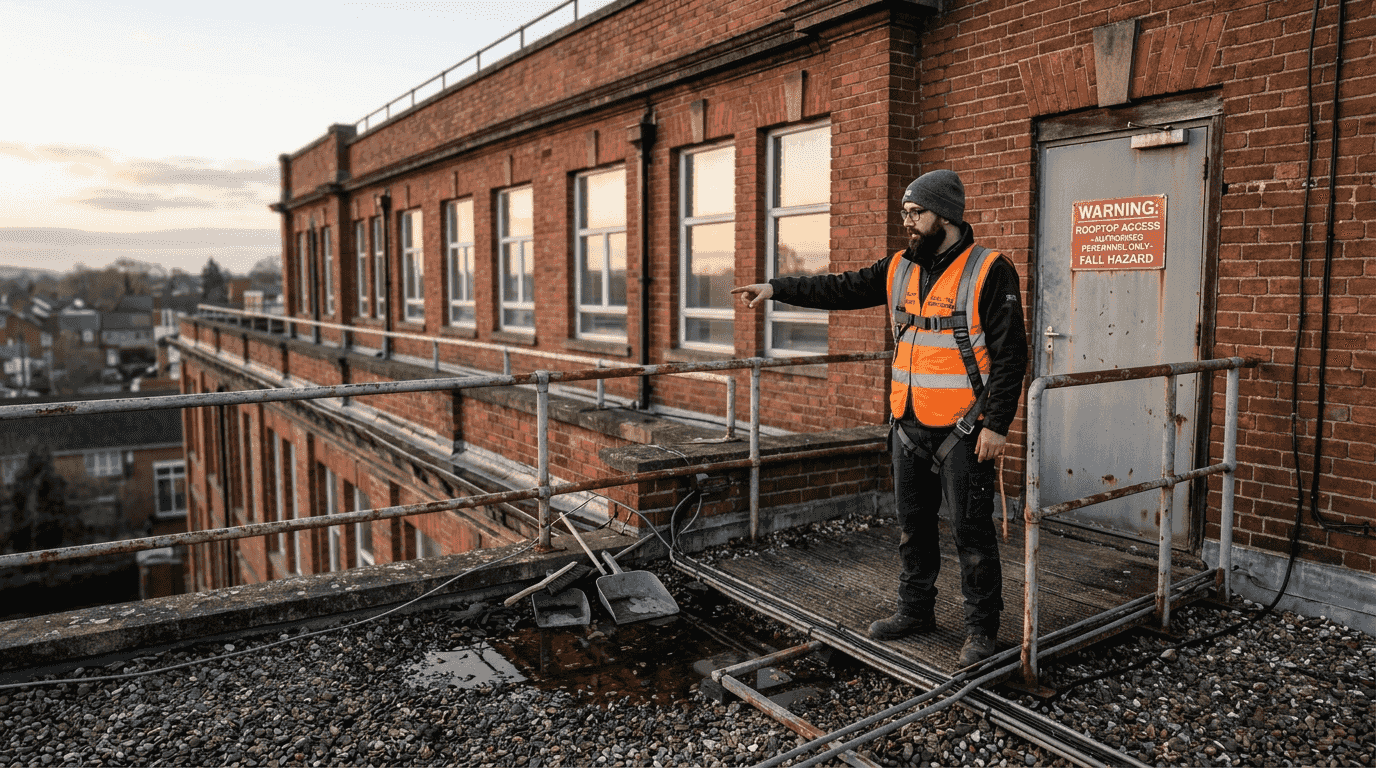
Safety protocols must never be compromised. All operatives require proper training in working at height procedures, equipment operation, and emergency response. Personal protective equipment including harnesses, hard hats, and non slip footwear is mandatory. Weather conditions dictate work feasibility, with operations suspended during high winds, ice, or heavy rain that create hazardous conditions.
Pro Tip: Avoid using high pressure washers for gutter cleaning as excessive force can damage seals, dislodge fixings, and drive water behind fascia boards. Gentle hand cleaning followed by low pressure rinsing achieves better results whilst protecting gutter integrity.
Common maintenance mistakes include:
- Working from unsecured ladders without stabilisers or standoff brackets
- Neglecting downpipe cleaning whilst focusing only on horizontal gutter sections
- Using sharp tools that scratch protective coatings and accelerate corrosion
- Failing to inspect gutter brackets and allowing loose sections to pull away from buildings
- Attempting DIY maintenance on tall buildings without proper training or equipment
The commercial gutter cleaning process differs significantly from residential work due to scale, complexity, and regulatory requirements. Professional services bring expertise in managing these challenges whilst maintaining insurance coverage that protects property owners from liability.

Large properties benefit from professional maintenance contracts that provide consistent service quality, documented compliance, and emergency response capabilities. Experienced contractors identify developing problems before they become critical, recommend preventive repairs, and maintain detailed records that demonstrate due diligence to insurers and regulators.
Environmental considerations matter too. Debris removal must comply with waste disposal regulations, whilst cleaning methods should minimise chemical use and prevent contamination of drainage systems. Sustainable practices include composting organic materials and recycling metal components from damaged gutter sections.
Developing a gutter maintenance plan tailored for property managers and letting agencies
Creating an effective maintenance schedule requires balancing thoroughness with cost efficiency whilst addressing the specific needs of your building portfolio. Property managers who implement structured plans achieve consistent results that protect investments and satisfy tenants.
Key components of successful maintenance plans include:
- Detailed building inventory documenting gutter types, lengths, access requirements, and known problem areas
- Risk assessment identifying high priority properties based on age, location, and historical issues
- Service frequency determination considering local climate, surrounding vegetation, and building characteristics
- Contractor selection criteria emphasising safety compliance, insurance coverage, and proven commercial experience
- Budget allocation with contingency reserves for unexpected repairs discovered during routine inspections
- Performance monitoring through regular reviews of service quality, response times, and cost effectiveness
| Maintenance approach | Inspection frequency | Cleaning schedule | Best suited for |
|---|---|---|---|
| Quarterly programme | Every 3 months | 4 times annually | Buildings near heavy vegetation or industrial areas |
| Seasonal approach | Spring and autumn | 2 times annually | Standard urban properties with moderate exposure |
| Risk based schedule | Varies by building | Customised timing | Mixed portfolios with different building types |
| Post event inspections | After severe weather | As needed basis | Supplement to regular programmes |
Consistent maintenance plans enhance building value and reduce emergency repair incidents by identifying problems early when solutions remain simple and affordable. Documented maintenance demonstrates professional management to property owners, investors, and regulatory bodies.
Record keeping forms the foundation of accountability. Maintain comprehensive logs including service dates, work performed, materials used, and issues identified. Photographic evidence provides visual confirmation of conditions before and after maintenance, supporting insurance claims if damage occurs despite proper care. Digital systems enable easy retrieval and analysis, helping identify patterns that inform future planning.
Tenant communication improves when maintenance schedules are shared in advance. Residents appreciate knowing when work will occur and can plan accordingly, reducing complaints and demonstrating management’s commitment to property care. Post maintenance notifications confirming completed work build confidence and reinforce value perception.
Collaboration with professional cleaners creates partnerships that benefit both parties. Contractors who understand your portfolio can offer preferential pricing for multiple properties, prioritise your buildings during peak seasons, and provide responsive service when urgent issues arise. Long term relationships enable contractors to develop building specific knowledge that improves efficiency and effectiveness.
Letting agencies gain particular advantages from structured maintenance. Gutter cleaning for letting agencies protects managed properties whilst demonstrating value to property owners who entrust their investments to professional management. Well maintained buildings attract quality tenants, command premium rents, and generate positive reviews that support business growth.
Budget forecasting becomes more accurate with historical maintenance data. Tracking costs over multiple years reveals trends, identifies outliers requiring investigation, and supports evidence based decision making. Presenting detailed maintenance records to property owners justifies management fees and builds trust through transparency.
Seasonal planning optimises resource allocation. Autumn requires intensive cleaning as leaves fall, whilst spring addresses winter storm damage and prepares drainage systems for heavy rainfall. Summer offers opportunities for major repairs when weather conditions favour outdoor work and tenant disruption is minimised.
Protect your buildings with professional gutter cleaning services
Implementing the maintenance strategies outlined requires reliable partners who understand commercial property demands. Professional gutter cleaning services deliver the expertise, equipment, and safety compliance that property managers need to protect their buildings effectively.
Specialist contractors offer comprehensive solutions tailored to urban commercial properties. Their services extend beyond basic cleaning to include detailed inspections, minor repairs, and documentation that supports your management responsibilities. Working with experienced professionals eliminates the risks associated with inadequate maintenance whilst providing peace of mind through proper insurance coverage.
Consider these service advantages when selecting maintenance partners:
- Fully trained operatives with commercial working at height certifications
- Comprehensive insurance including public liability and employer coverage
- Modern access equipment suitable for complex urban building configurations
- Detailed reporting with photographic evidence and repair recommendations
- Flexible scheduling that minimises tenant disruption and accommodates urgent needs
- Competitive pricing with volume discounts for multiple property portfolios
Local expertise matters significantly in urban environments. Contractors familiar with Greenwich gutter cleaning service areas understand regional challenges including pollution patterns, weather conditions, and building types common to specific locations. This knowledge translates into more effective maintenance strategies and faster problem resolution.
Understanding why clean gutters regularly transforms maintenance from a reactive chore into a strategic investment. Professional services provide consistent quality that protects building value whilst freeing property managers to focus on core responsibilities. The commercial property cleaning importance extends beyond immediate functionality to encompass long term asset preservation and tenant satisfaction.
Contact experienced gutter maintenance specialists to discuss customised plans for your property portfolio. Professional assessment identifies specific needs, recommends appropriate service frequencies, and provides accurate cost projections that support informed budgeting decisions.
Frequently asked questions
How often should gutters be cleaned in commercial buildings?
Most commercial properties require gutter cleaning at least twice annually, typically in late autumn after leaf fall and early spring following winter storms. Buildings surrounded by trees or located in areas with heavy pollution may need quarterly cleaning to prevent blockages. Schedule additional inspections after severe weather events regardless of your regular maintenance cycle.
What are the warning signs of blocked gutters to watch for?
Overflowing water during rainfall, damp patches on external walls below gutter lines, and visible plant growth in gutter channels indicate blockages requiring immediate attention. Sagging gutter sections pulling away from fascia boards, unusual gurgling sounds from downpipes, and increased pest activity near roof edges also signal drainage problems. Regular visual inspections from ground level help identify these issues before serious damage occurs.
Can regular gutter cleaning reduce tenant complaints?
Yes, consistent gutter maintenance prevents water ingress, damp issues, and structural problems that generate tenant complaints and dissatisfaction. Clean, properly functioning drainage systems demonstrate professional property management and commitment to building care. Tenants living in well maintained properties report higher satisfaction levels, stay longer, and provide positive reviews that benefit letting agencies.
Is specialised equipment necessary for safe gutter cleaning on commercial buildings?
Absolutely. Commercial buildings require proper access equipment including scaffolding, mobile elevated work platforms, or secured ladder systems that comply with working at height regulations. Safety harnesses, hard hats, and appropriate personal protective equipment protect operatives whilst enabling thorough cleaning. Using unsuitable methods creates serious accident risks and often results in inadequate maintenance that fails to prevent blockages effectively.

Leave A Comment